Unveiling the Benefits of Lavender for Calming Nerves and Inducing Drowsiness Naturally
You can use lavender to naturally calm your nerves and ease into sleep. Its scent activates the limbic system, helping lower cortisol and slow heart rate. Forms like oil, tea, or gummies offer flexible options-just check for *Lavandula angustifolia* and clean ingredients. Diffuse it before bed or apply diluted oil for steady relief. Most brands offer satisfaction guarantees, so trying one could be a low-risk step toward better rest. There’s more to explore about how it works with your body’s rhythms.
Notable Insights
- Lavender’s scent interacts with the limbic system to reduce anxiety and promote relaxation naturally.
- High-quality *Lavandula angustifolia* products ensure effective calming effects for better sleep onset.
- Aromatherapy with lavender oil lowers cortisol and heart rate, easing pre-sleep nervous tension.
- Topical application of diluted lavender oil provides sustained relaxation through gradual skin absorption.
- Consuming lavender tea or gummies 30 minutes before bed supports drowsiness and sleep quality.
What Lavender Is and How It Promotes Sleep
While you might not think about the science behind it, lavender is a flowering plant known for its soothing scent and natural compounds that interact with your nervous system. Lavender history stretches back centuries, used in ancient Rome and Egypt for perfumes and relaxation. Its cultural significance spans Europe and the Mediterranean, where it’s long been linked to sleep and purity. Today, you’ll find lavender in oils, sachets, and sprays designed to support rest. These products vary in concentration and purity, so checking labels for botanical names like *Lavandula angustifolia* helps guarantee quality. Some come with trial periods or satisfaction guarantees, letting you test effectiveness. Though not a cure-all, many people report improved sleep patterns after consistent use. It’s non-habit forming, unlike some sleep aids, making it a practical option to explore for mild sleep troubles. For those seeking high-quality options, consider one of the best lavender oil picks based on purity and customer feedback.
How Lavender Calms Your Mind and Body
Why do you feel more relaxed when you inhale the scent of lavender? It’s because the aromatherapy effects of lavender directly influence your neural pathways. When you breathe in its aroma, molecules travel through your olfactory system to the limbic system-the part of your brain tied to emotion and memory. This process helps slow your heart rate and lowers cortisol levels, easing stress naturally. Lavender doesn’t work like sedatives; instead, it gently signals your nervous system to unwind, making it easier to shift into rest. Using a high-quality lavender spray for sleep can enhance these benefits by delivering a consistent, soothing aroma to your environment.
| Effect | How It Works | Practical Use |
|---|---|---|
| Calms nerves | Influences limbic system | Diffuse before bedtime |
| Reduces tension | Modulates neural pathways | Use in bath or spray |
| Enhances relaxation | Triggers aromatherapy effects | Apply diluted oil to pulse points |
| Supports breathing | Soothes autonomic responses | Inhale directly from palms |
| Promotes mental clarity | Balances brain activity | Use during quiet moments |
This makes lavender a practical option for managing pre-sleep tension.
Science-Backed Benefits for Anxiety and Insomnia
If you’ve struggled with anxiety or restless nights, you might find relief in lavender’s well-documented effects on sleep and stress. Research shows lavender influences neurological pathways linked to relaxation, helping slow brain activity and ease anxious thoughts. It also supports hormonal balance, particularly reducing cortisol levels, which can improve both mood and sleep quality. Studies using brain imaging confirm lavender’s compounds interact with limbic system regions that regulate emotion and arousal. Clinical trials report reduced anxiety symptoms in people who regularly use lavender aromatherapy or ingest specific formulations. For insomnia, it helps shorten sleep onset time and increases deep sleep duration. These benefits come with minimal side effects when used as directed. While results vary, consistent use over a few weeks often brings noticeable change. You can consider it a gentle, evidence-supported option among natural sleep and anxiety supports worth trying cautiously alongside healthy sleep habits. Among the most effective options for promoting relaxation, best relaxing essential oils include lavender due to its potent calming properties.
Best Forms of Lavender for Sleep Support
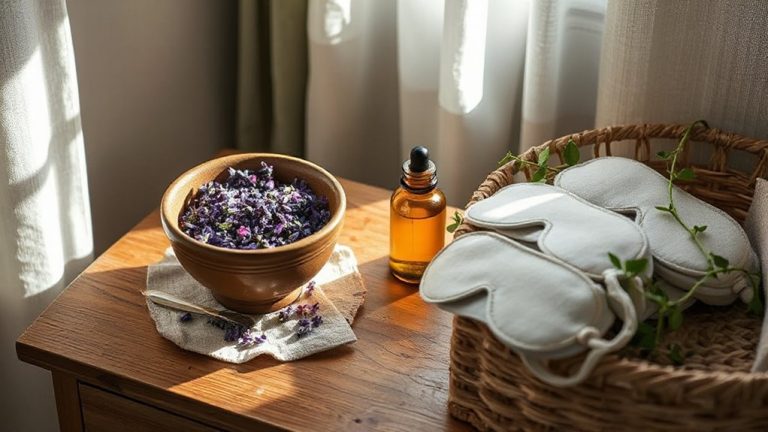
You’ve likely heard how lavender can ease anxiety and support better sleep, thanks to its calming effect on the brain and its ability to lower stress hormones like cortisol. When choosing a form, consider what fits your routine. Lavender tea offers a gentle, traditional option-just steep and sip about 30 minutes before bed. It’s plant-based and easy on the body, though flavor might take some getting used to. For something more convenient, lavender gummies provide measured doses with fewer taste issues, often combined with melatonin or chamomile for added support. Gummies are portable and consistent, but check labels for fillers or allergens. Both forms are widely available, with most brands offering satisfaction guarantees. Try each for a few nights to see which improves your drowsiness and sleep quality. Your choice depends on preference, lifestyle, and how quickly you want results.
How to Use Lavender Oil for Better Rest
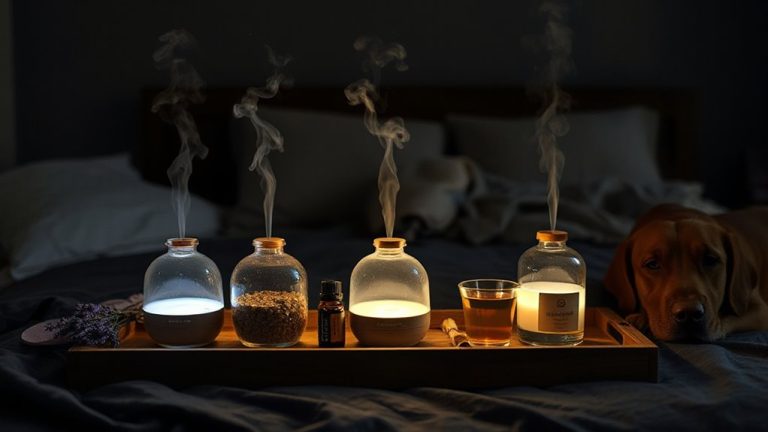
How can you make the most of lavender oil when trying to improve your sleep? Aromatherapy diffusion is a simple, effective method-just add a few drops to a diffuser 30 minutes before bed to fill your room with a calming scent. This method works well if you’re sensitive to smells or prefer non-contact solutions. For longer-lasting effects, try topical application by diluting lavender oil with a carrier oil and applying it to your wrists, temples, or neck. The skin absorbs the compounds slowly, which may support sustained relaxation. Both methods are easy to incorporate and let you test what fits your routine. Aromatherapy diffusion acts quickly but fades, while topical application offers gradual, extended release. Choose based on your sleep habits and comfort with handling oils. Try each method several nights to assess results before deciding.
Safe Daily Use of Lavender for Stress Relief
Why do so many people turn to lavender when stress begins to build? You likely reach for it because it’s gentle, accessible, and fits easily into daily routines. When using lavender for stress relief, sticking to a safe lavender dosage is key-typically 80–160 mg of oral lavender oil capsules per day or a few drops of essential oil in a diffuser. Topical applications should be diluted with a carrier oil to prevent skin irritation. Current research suggests good long term safety with consistent, moderate use, especially when following product guidelines. You don’t need high concentrations to feel the calming effects. Most users report fewer stress symptoms without drowsiness during the day. Still, it’s smart to consult your doctor before starting, especially if you’re on other medications. Lavender works best as part of a balanced routine, not a standalone fix.
What Research Says About Lavender and Sleep Quality
While you might be skeptical about using a plant for better sleep, studies suggest lavender can genuinely support rest when used correctly. Research shows lavender aroma affects brain waves, increasing slow-wave sleep, which helps your body recover overnight. It also appears to lower cortisol levels, reducing stress that often interferes with falling asleep. You can try diffusing a few drops 30 minutes before bed or using a lavender-infused pillow spray. Clinical trials observed improved sleep quality in people with mild insomnia, though results vary. It’s not a replacement for medical treatment if you have a diagnosed sleep disorder, but it may reduce reliance on sleep aids for some. The effects build with consistent use, typically over several weeks. Essential oil quality matters-choose 100% pure, therapeutic-grade lavender. While not FDA-regulated, reputable brands often offer satisfaction guarantees.
On a final note
You can use lavender to support sleep and manage stress, backed by research on anxiety and insomnia. Essential oil, teas, or capsules offer options depending on your preference and needs. Diffusing or applying diluted oil before bed may improve sleep quality. It’s generally safe for daily use, but patch-test first and consult a professional if you have conditions or take medications. Consider trying it as part of a calming routine.