Understanding the Role of Exercise in Improving Sleep Quality and Duration
You can improve your sleep quality and duration by syncing your body clock through regular exercise. Morning or afternoon workouts help regulate melatonin and stabilize cortisol, easing you into rest. Yoga or strength training 2–3 times weekly deepens sleep by reducing anxiety and building physical tiredness. Timing matters-finish intense sessions 2–3 hours before bed to let your body cool. Even 10 minutes daily helps, especially when done consistently. Choosing the right type and timing supports long-term sleep health without relying on aids-there’s more to discover about fine-tuning your routine.
Notable Insights
- Regular exercise helps regulate the body’s internal clock, improving sleep onset and overall sleep consistency.
- Morning or afternoon workouts support natural melatonin release and stabilize circadian rhythms for better sleep quality.
- Yoga and strength training enhance sleep by reducing stress, building physical fatigue, and promoting deeper rest cycles.
- Exercising 2–3 hours before bed allows body temperature to drop, preventing sleep disruption from late-day intensity.
- Daily movement, even in short bouts, gradually reduces insomnia symptoms and decreases reliance on sleep aids.
Sync Your Body Clock: How Exercise Regulates Sleep
While your body’s internal clock runs on its own, regular exercise can help fine-tune it for better sleep over time. You’ll support circadian alignment by working out at consistent times each day, especially in the morning or afternoon. This stability tells your brain when to release melatonin, helping you fall asleep faster at night. Exercise also promotes metabolic balance, regulating hormones like insulin and cortisol that influence energy levels and rest. When these systems work in sync, sleep quality improves without relying on sleep aids. If you struggle with sleep disorders, pairing physical activity with a regular sleep schedule offers a sustainable option. It’s not a quick fix, but over weeks, your body adjusts. No special equipment or warranty is needed-just consistency. Try starting with 20–30 minutes most days. The performance boost you gain in sleep often makes the effort worth it.
Best Workouts for Deeper, Longer Sleep
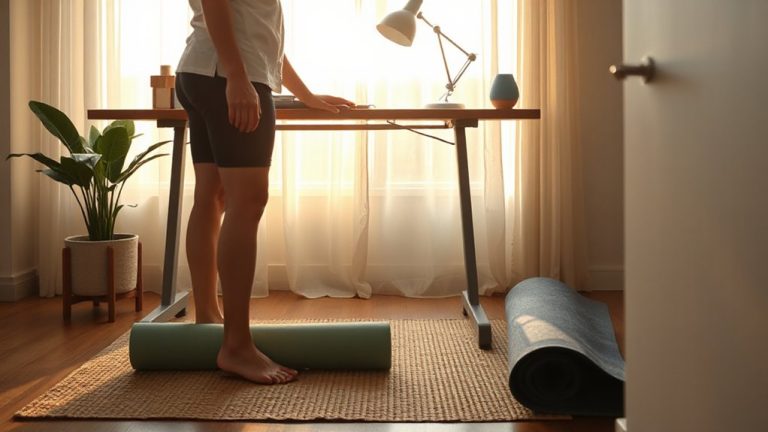
If you’re looking to improve both the depth and length of your sleep, certain types of workouts tend to deliver more consistent results over time. Yoga routines help lower stress and ease muscle tension, making it easier to fall and stay asleep. Their slow, controlled movements improve breathing patterns and support relaxation when practiced regularly. Strength training also promotes deeper sleep by increasing the body’s recovery needs, encouraging longer rest cycles. Working major muscle groups two to three times per week builds physical fatigue without overstimulating the system, especially when done with proper form and moderate intensity. Both options are adaptable, so you can adjust effort based on energy levels or sleep goals. They don’t require special equipment, though beginners may benefit from guided videos or classes. With consistent trial, you’ll likely notice improved sleep duration and reduced nighttime awakenings.
Time Your Workouts to Maximize Sleep Recovery
Since your body’s internal clock plays a key role in sleep quality, timing your workouts can make a noticeable difference in how well you recover at night. Proper workout timing helps your body wind down at the right hour, supporting natural sleep alignment. Exercising too late, especially intense sessions, might raise core temperature and delay melatonin release, making it harder to fall asleep. For most people, finishing moderate to vigorous workouts 2–3 hours before bedtime allows enough time to cool down and relax. Morning or early afternoon workouts often boost energy and improve circadian rhythms over time. If you prefer evening exercise, opt for lighter activities like stretching or yoga to avoid disrupting your sleep alignment. Trial different schedules and track how rested you feel to find your ideal routine.
How Exercise Calms Anxiety and Fights Insomnia
When you’re dealing with racing thoughts or that restless feeling before bed, regular physical activity might be one of the most effective, no-cost tools you can use to calm your mind and improve sleep over time. Exercise supports stress reduction by lowering cortisol levels and increasing endorphins, which help stabilize mood. You’ll likely notice mental relaxation building as little as 20 minutes of daily movement can improve nervous system regulation. Activities like walking, cycling, or yoga encourage rhythmic breathing and muscle release, easing bodily tension linked to anxiety. Over weeks, this pattern supports deeper, more consistent sleep, especially if you avoid intense workouts close to bedtime. Studies show people who exercise regularly report fewer insomnia symptoms and rely less on sleep aids. While results vary, consistent movement offers a sustainable way to address root causes of poor sleep-no prescription needed.
Make Movement a Habit for Better Sleep, Every Night
Often, small and consistent choices matter most-making movement a regular part of your day doesn’t require intense effort, but it does take planning. You can start with just 10 to 15 minutes of daily activity, like walking or stretching, and build from there. The key is consistent routines: doing something active at the same time each day helps your body adjust and improves sleep signals. Even light exercise, when done regularly, supports deeper, more restful sleep over time. You don’t need intense workouts-simple movement counts. Over weeks, this daily activity can reduce restlessness and help you fall asleep faster. Think of it as training your body for better rest, not just better fitness. If sleep issues persist, consider tracking your movement and sleep patterns together. This practical step offers clear feedback on what’s working, helping you make informed choices about lifestyle changes or whether to explore other options.
On a final note
You can improve sleep quality and duration by adding regular exercise to your routine. It helps regulate your body clock, reduces anxiety, and supports deeper rest. Morning or afternoon workouts often work best, giving your body time to wind down. While not a fix for all sleep disorders, movement offers a natural, effective support. Try consistent, moderate activity for several weeks to see results-no special equipment or warranty needed, just steady effort.