The Role of Acupuncture and Other Alternative Therapies in Treating Insomnia Symptoms
You can ease insomnia naturally with acupuncture, which helps balance your body’s energy and calms the nervous system over weekly sessions. Studies show it may improve sleep length and reduce nighttime awakenings by influencing relaxation-linked neurotransmitters. Other options like valerian root or lavender aromatherapy offer mild support, especially when combined with consistent sleep habits. Pairing acupuncture with meditation or yoga may deepen results. There’s more to explore about tailoring these methods to your routine.
Notable Insights
- Acupuncture improves insomnia by balancing the body’s energy flow and regulating the nervous system.
- It promotes natural sleep by modulating circadian rhythms and increasing relaxation-linked neurotransmitters like GABA.
- Clinical studies suggest acupuncture reduces sleep latency and increases deep, restorative sleep stages.
- Herbal alternatives like valerian root and chamomile may help reduce time to fall asleep.
- Combining acupuncture with sleep hygiene, aromatherapy, and consistent routines enhances long-term sleep improvement.
Why Natural Insomnia Relief Matters
While you might be tempted to reach for over-the-counter sleep aids the next time insomnia strikes, going the natural route can offer a safer, more sustainable path to better rest. You’re likely aware that many medicated options come with side effects like grogginess or dependency-risks you can often avoid with natural approaches. Methods focused on holistic wellness, like herbal remedies or mindfulness, support your body’s innate rhythms instead of overriding them. These strategies also emphasize stress reduction, which plays a key role in sleep quality. By lowering daily tension through breathing, yoga, or consistent routines, you create conditions where sleep can come more naturally. Unlike temporary fixes, natural relief works with your lifestyle long-term. There’s no “trial period” or warranty-you simply test small changes and observe results. Over time, you’ll likely find improved sleep onset and fewer nighttime disruptions, all while supporting broader well-being without harsh chemicals. For those exploring options, trying a clinically-supported natural sleep remedy can further enhance your results.
How Acupuncture Treats the Root Causes of Sleeplessness
What if your insomnia isn’t just about poor habits or stress, but a sign of deeper imbalances in your body’s energy flow? Acupuncture works by adjusting your energy balance and restoring natural meridian flow, targeting the root causes of sleeplessness. Thin needles are placed at specific points to help regulate your nervous system and support internal harmony. You may notice improved relaxation and a more consistent sleep pattern over time. Since treatment is tailored to your symptoms, results can vary from person to person. Acupuncture doesn’t rely on medications, so it’s an option if you’re seeking non-drug approaches. A typical plan involves weekly sessions for several weeks, with some clinics offering trial sessions or discounted initial visits. It’s generally safe when done by a licensed practitioner. Consider how this method fits with your lifestyle and other sleep aids you’ve tried.
What the Science Says About Acupuncture and Sleep
Research into acupuncture’s effects on sleep offers a clearer picture of how this ancient practice might fit into your routine. Studies suggest it supports neurotransmitter regulation, helping balance chemicals like serotonin and GABA that influence relaxation and sleep quality. You may also benefit from its role in circadian rhythm modulation, which helps align your body’s internal clock with natural sleep-wake cycles. Clinical trials show modest improvements in sleep latency and duration, especially when treatments are consistent over several weeks. While results vary, many people report fewer nighttime awakenings and increased deep sleep stages. Acupuncture appears safe when performed by licensed professionals, with minimal side effects compared to pharmaceutical sleep aids. It’s not a quick fix, but regular sessions could complement other evidence-based strategies. Consider it a long-term option if you prefer non-drug approaches with gradual, cumulative benefits supported by emerging science.
Top Natural Alternatives to Acupuncture for Better Rest
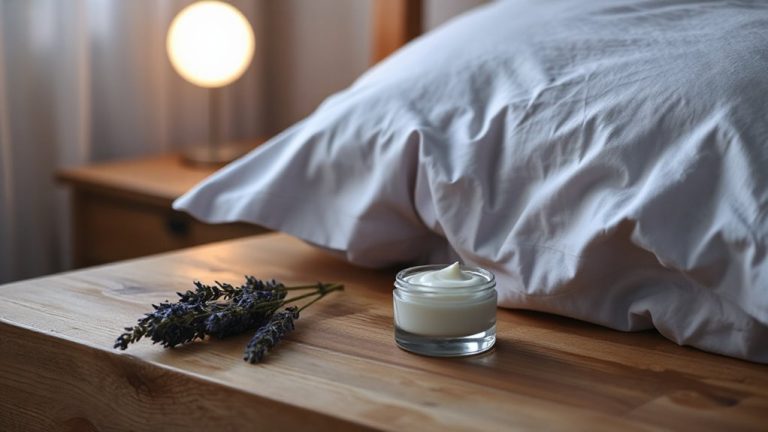
How do you find better rest without needles? You can turn to herbal supplements like valerian root or chamomile, which many people use to support relaxation and sleep onset. Studies suggest these natural remedies may help reduce the time it takes to fall asleep, though results vary from person to person. You might also try essential oils, such as lavender, known for calming effects when used in a diffuser or applied topically (always diluted). Clinical trials show some improvement in sleep quality with consistent aromatherapy use. These options are non-invasive and easy to start at home. But remember, herbal supplements aren’t regulated like medicines, so choose brands with third-party testing. Start with low doses to check tolerance. While they may not work as quickly as medical treatments, many find these alternatives helpful when used regularly and safely. A product roundup can help you compare top-rated natural sleep aids based on expert research and user feedback.
Pair Acupuncture With Yoga and Meditation for Deeper Sleep
You can enhance your sleep routine by combining acupuncture with mind-body practices like yoga and meditation, building on the relaxation benefits you might already be exploring with herbs or aromatherapy. Integrating breathwork techniques and energy alignment helps calm your nervous system and prepares your body for deeper rest. Consistency matters-practicing these together a few times weekly can support lasting sleep improvements.
| Practice | Focus Area | Best Time to Try |
|---|---|---|
| Yoga | Stretching & breath | Evening, 1–2 hrs before bed |
| Meditation | Mindful awareness | After acupuncture session |
| Breathwork | Energy alignment | Anytime, especially when stressed |
These methods don’t replace clinical treatment but may reduce reliance on sleep aids. Most people notice subtle changes within 4–6 weeks. Give each practice a fair trial-some find relief faster when combining them. Choose quiet spaces and comfortable clothing to improve performance.
What Happens in a Sleep-Focused Acupuncture Session
What goes through your mind when you envision lying still with tiny needles placed just so? In a sleep-focused acupuncture session, you’re guided to relax while the practitioner selects precise points linked to calming your nervous system. You’ll feel slight pressure, not pain, as thin needles are inserted-this is the start of improved energy flow. The needle placement often targets areas like behind the ears, wrists, and feet, all connected to sleep regulation. Sessions last about 30 to 45 minutes, during which your breathing slows and muscles unwind. Many people notice deeper relaxation after just a few visits. The practice doesn’t rely on medications, so side effects are rare. It works best when done consistently, usually weekly at first. Practitioners may suggest tracking sleep patterns to assess changes in energy flow and rest quality over time.
Build Your Personalized Natural Sleep Plan
After experiencing a few sessions of sleep-focused acupuncture, you might begin wondering how to expand that sense of calm into a consistent nightly routine. Building your personalized natural sleep plan means combining proven strategies like sleep hygiene with complementary supports such as herbal blends. Focus on timing, environment, and natural aids that align with your lifestyle. Below are key elements to evaluate and test over time.
| Factor | Option Example |
|---|---|
| Evening Routine | Dim lights, no screens |
| Herbal Support | Chamomile or valerian blend |
| Sleep Environment | Cool, quiet, dark room |
| Consistent Timing | Bed and wake at same time |
Track how each adjustment affects your rest. Some herbal blends may take a few nights to show effects, and ideal sleep hygiene varies per person. Trial periods of 3–5 nights help determine what works best.
On a final note
You’ve seen how acupuncture targets insomnia’s root causes, not just symptoms, and how studies support its role in improving sleep quality. When combined with yoga or meditation, results may deepen. Other natural options like herbal supplements or sleep hygiene changes also offer benefits, each with trade-offs in effort, timing, and effects. Consider a short trial with professional guidance, checking for provider credentials and any warranties on treatment plans. Choose based on your needs, routine, and health goals.