The Connection Between Poor Sleep Cycles and Weight Gain
Poor sleep messes with your hunger hormones, boosting ghrelin and lowering leptin so you feel hungrier and less full. It ramps up cravings for junk food, slows your metabolism, and blocks fat burning, especially when you stay up late. Tiredness saps your will to exercise and messes with your circadian rhythm, making weight gain more likely. Fixing your sleep cycle can help reset these systems-and taking it seriously might reveal deeper issues worth addressing with a professional.
Notable Insights
- Poor sleep increases ghrelin and decreases leptin, boosting hunger and promoting overeating.
- Sleep deprivation raises cortisol levels, increasing stress and stimulating appetite.
- Fatigue reduces self-control and shifts brain reward centers, intensifying cravings for junk food.
- Insufficient sleep slows metabolism, reducing calorie burn during rest and daily activities.
- Disrupted circadian rhythms impair fat oxidation and promote nighttime eating, hindering weight loss.
How Poor Sleep Increases Hunger Hormones
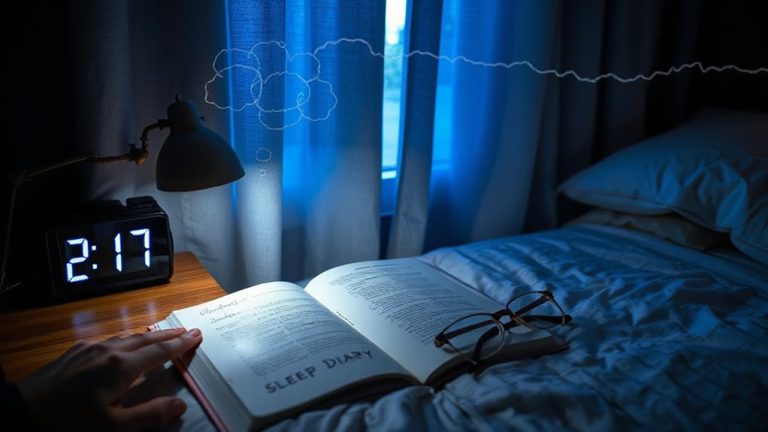
Poor sleep can quietly shift the balance of key hormones that control hunger, making you feel hungrier than usual. When you’re not getting enough rest, your body produces more ghrelin, the “hunger hormone,” and less leptin, which signals fullness. This imbalance often leads to extra snacking, especially late at night. You also experience frequent cortisol spikes, which increase stress and appetite. Over time, this can contribute to insulin resistance, reducing your body’s ability to manage blood sugar effectively. These changes raise the risk of weight gain and metabolic issues. To support better hormone regulation, aim for 7–9 hours of quality sleep nightly. If sleep problems persist, consider tracking patterns with a sleep diary or wearable monitor. Some find relief with cognitive behavioral therapy for insomnia (CBT-I), while others explore sleep aids under medical guidance. Look for products with clear trial periods and evidence-backed results.
Why Exhaustion Makes You Crave Junk Food
When you’re running on empty, your brain starts looking for quick fuel, and that’s when junk food suddenly seems a lot more tempting. Exhaustion dulls your taste sensitivity, making bland foods less satisfying and pushing you toward salty, sweet, or fatty options that light up your senses. This shift isn’t just about flavor-it’s tied to emotional eating, as fatigue weakens self-control and increases stress, leaving you reaching for comfort. Poor sleep disrupts the balance between reward and impulse, so choosing a doughnut over fruit doesn’t feel like a lapse-it feels like survival. Recognizing this pattern helps you plan. Prioritizing consistent sleep supports better decisions, while addressing sleep disorders-like insomnia or apnea-can reduce cravings. If needed, sleep aids may help short-term, but check with a doctor to weigh benefits and side effects. Small improvements in sleep quality often yield noticeable results in eating habits. For those considering assistance, best sleep aids can offer temporary relief while you work on long-term sleep hygiene.
How Sleep Loss Slows Your Metabolism
Though you might not feel it directly, skimping on sleep can quietly dampen your metabolism, making it harder to burn calories efficiently. Your metabolic rate drops when you’re sleep-deprived, slowing down calorie burning even at rest. This means your body uses less energy throughout the day, especially during basic functions like breathing and digestion. Poor sleep disrupts hormones that regulate hunger and energy use, making it easier to gain weight over time. If you’re consistently getting less than seven hours, consider evaluating your sleep routine or discussing potential sleep disorders with a healthcare provider. Some find sleep aids helpful, but check for clinical backing, trial periods, or warranty details if using devices. Small adjustments-like consistent bedtimes or reducing screen time-can support better metabolic health. Prioritizing sleep isn’t a fix-all, but it’s a practical step toward balanced calorie burning and overall well-being.
How Late Nights Block Fat Loss
Why do late nights make it so much harder to shed fat? Because they trigger circadian disruption, which directly interferes with fat metabolism. When you’re up late, your body’s internal clock gets thrown off, reducing fat oxidation and increasing fat storage. Hormones like leptin and ghrelin become imbalanced, making you crave more calories even when you don’t need them. Even occasional late nights add up over time, weakening your body’s ability to burn fat efficiently.
| Factor | Effect on Fat Loss |
|---|---|
| Late nights | Reduce fat-burning by up to 20% |
| Circadian disruption | Lowers metabolic rate at night |
| Sleep timing shifts | Increase nighttime calorie intake |
| Hormonal imbalance | Boosts appetite, especially for carbs |
Consistent sleep schedules-aligned with natural light-dark cycles-support steady fat loss without drastic diet changes.
Why Tiredness Kills Workout Motivation
How can you stay committed to exercise when exhaustion drains your drive? When you’re running on little sleep, mental fatigue sets in, making even simple decisions feel overwhelming. This dulls your focus and saps the energy needed to start or stick with a workout routine. Exercise adherence drops because your brain prioritizes rest over effort, seeing physical activity as a bigger burden than it really is. You might skip sessions not out of laziness, but because tiredness clouds your judgment and reduces motivation. Poor sleep disrupts the balance of hormones that regulate alertness and mood, worsening the effect. Over time, this pattern becomes routine, weakening consistency. Recognizing mental fatigue as a symptom-not a character flaw-helps you evaluate sleep quality, consider sleep disorders, and explore solutions like routine adjustments or FDA-approved sleep aids with clear labeling and trial periods.
Fix Your Sleep to Regain Weight Control
You’ve likely noticed how low energy from poor sleep makes workouts harder to start and stick with, but that’s only part of the story-your weight might also be affected without you realizing it. Disruptions to your circadian rhythm can increase hunger hormones and reduce fullness signals, leading to overeating. Improving sleep hygiene-like keeping a consistent bedtime, reducing screen time before bed, and avoiding caffeine late in the day-helps realign your body’s internal clock. This balance supports better appetite control and metabolism. Even small changes, like a cooler room or a nightly routine, can improve sleep quality. Over time, better sleep helps regulate insulin sensitivity and reduce late-night cravings. You don’t need perfect sleep overnight-start with one habit and build gradually. A stable circadian rhythm strengthens your body’s natural weight control systems, making healthy choices easier without extra effort.
When to Talk to a Doctor About Sleep and Weight
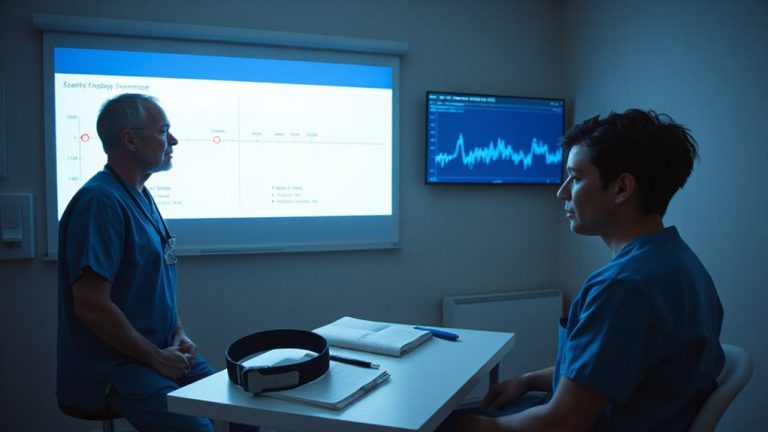
Could it be that your sleep troubles are doing more than just leaving you tired? If you’ve tried improving sleep habits but still struggle with fatigue, mood shifts, or unexplained weight gain, it might be time to seek help. Persistent issues like snoring, gasping at night, or feeling unrested despite long hours in bed could signal underlying sleep disorders like sleep apnea. These conditions don’t just disrupt rest-they can affect metabolism and hunger hormones, making weight control harder. You’re not overreacting by considering a medical evaluation. A doctor can review your symptoms, possibly order a sleep study, and identify if a disorder is at play. Treatment options, from lifestyle adjustments to devices or therapy, depend on accurate diagnosis. Don’t wait months-getting evaluated early improves outcomes for both sleep and weight.
On a final note
Poor sleep disrupts hunger hormones, slows metabolism, and increases cravings, making weight control harder. Fixing your sleep schedule can help regulate appetite and energy use. If changes don’t help, talk to a doctor about possible sleep disorders or safe aids. Many treatments have trials or warranties, so you can test options. Good sleep isn’t a fix-all, but it supports better choices, recovery, and long-term results.