Why Sleeping in Tight Clothing Restricts Circulation and Aggravates Leg Cramps
Tight sleepwear can restrict circulation by compressing blood vessels, especially in the legs and waist, reducing oxygen flow to muscles. This pressure, combined with long hours of inactivity, may trigger night leg cramps. Fabrics with little stretch or snug fits hinder natural movement and venous return. Loose, breathable options like cotton or bamboo help maintain alignment and circulation. Choosing sleepwear with flat seams and a relaxed fit supports comfort-and there’s more to contemplate about finding the right balance.
Notable Insights
- Tight sleepwear compresses blood vessels, reducing circulation and increasing the risk of overnight leg cramps.
- Restricted blood flow from constrictive clothing leads to muscle hypox mucles, triggering involuntary contractions.
- Limited movement during sleep due to tight fabrics can cause muscle fatigue and poor venous return.
- Compression of nerves and muscles from snug clothing disrupts signaling and oxygen delivery, worsening cramp likelihood.
- Non-breathable or stiff fabrics in tight pajamas impair temperature regulation and aggravate circulation-related discomfort.
Can Tight PJs Cause Night Leg Cramps?
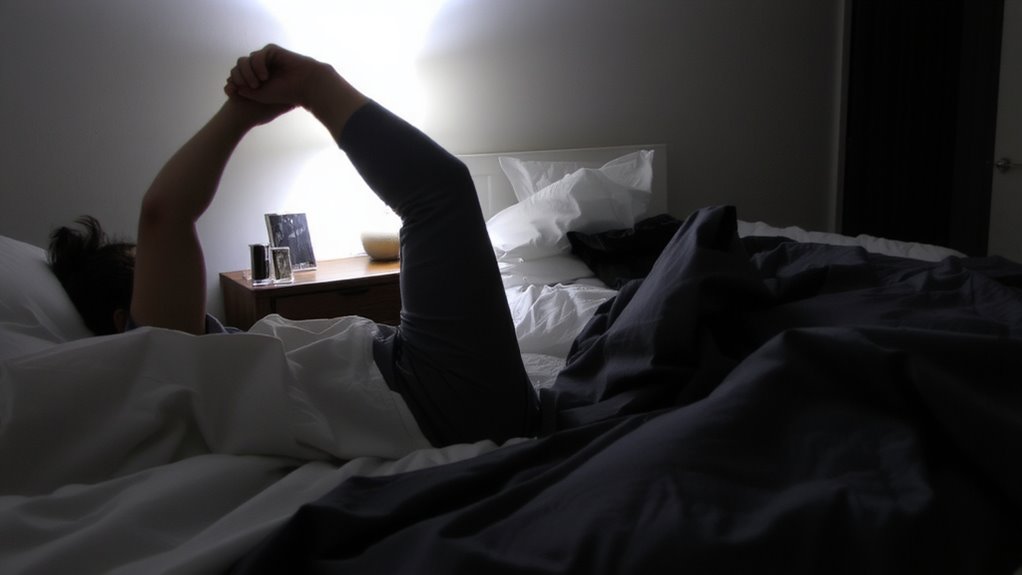
Could something as simple as your pajamas be behind those sudden leg cramps at night? Tight sleepwear might play a role, especially if the fabric elasticity restricts movement. When your pajamas cling too tightly, they can subtly influence your sleep posture, limiting how freely you stretch or shift during rest. Reduced mobility may contribute to muscle fatigue and unexpected cramping, particularly in the legs. Fabrics with poor elasticity-like stiff cotton blends or ill-fitting synthetics-often offer less give, increasing pressure on muscles over hours. Opting for sleepwear with balanced stretch and soft construction helps support natural alignment without constraint. Look for breathable materials designed to move with your body, not against it. While not a cure-all, evaluating your sleepwear’s fit could ease discomfort. Trying looser styles with tested fabric elasticity might reveal improvements in both comfort and nighttime muscle response. Check product details on fit guides or warranties if testing new options.
Signs Your Sleepwear Is Cutting Off Circulation
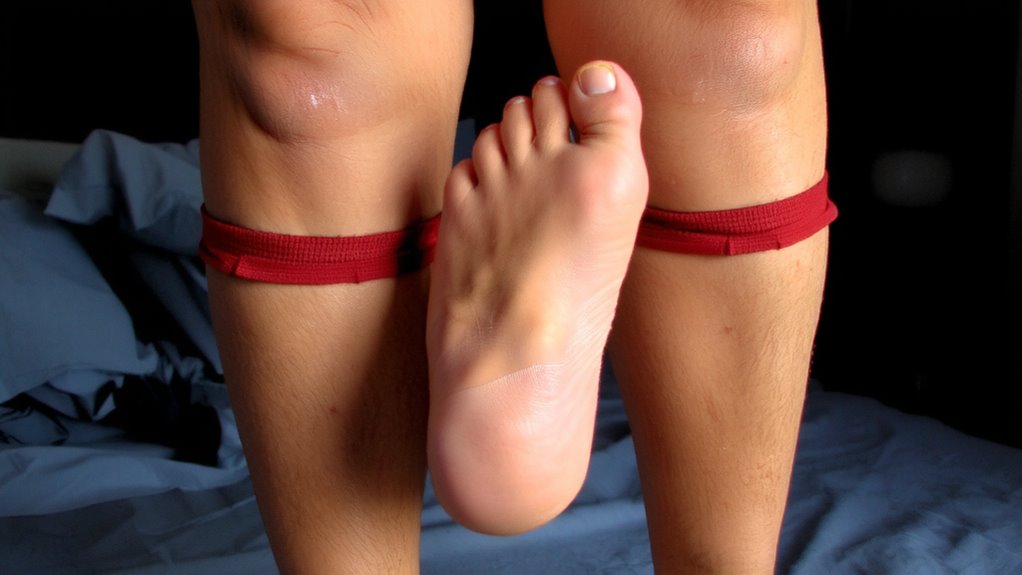
How would you know if your sleepwear is affecting your circulation? You might notice cold extremities, especially in your feet or hands, even in a warm room. That’s a key warning sign. Tight sleeves, waistbands, or leggings can compress blood vessels, reducing flow. You may also feel tingling sensations, like pins and needles, in your legs or arms during or after sleep. These aren’t normal nighttime feelings-they point to restricted blood movement. Compression that disrupts circulation often comes from synthetic fabrics or snug fits designed for warmth or style. Look for sleepwear made of breathable, flexible materials with a looser cut. Brands offering stretch blends or adaptive seams often allow better movement and blood flow. Try switching to looser garments for a few nights. Many have free trials or warranties, so testing is low-risk. Simple changes can make a clear difference. Choosing the right pair from the best sleep pants can further enhance comfort and support healthy circulation.
How Poor Blood Flow Triggers Leg Cramps
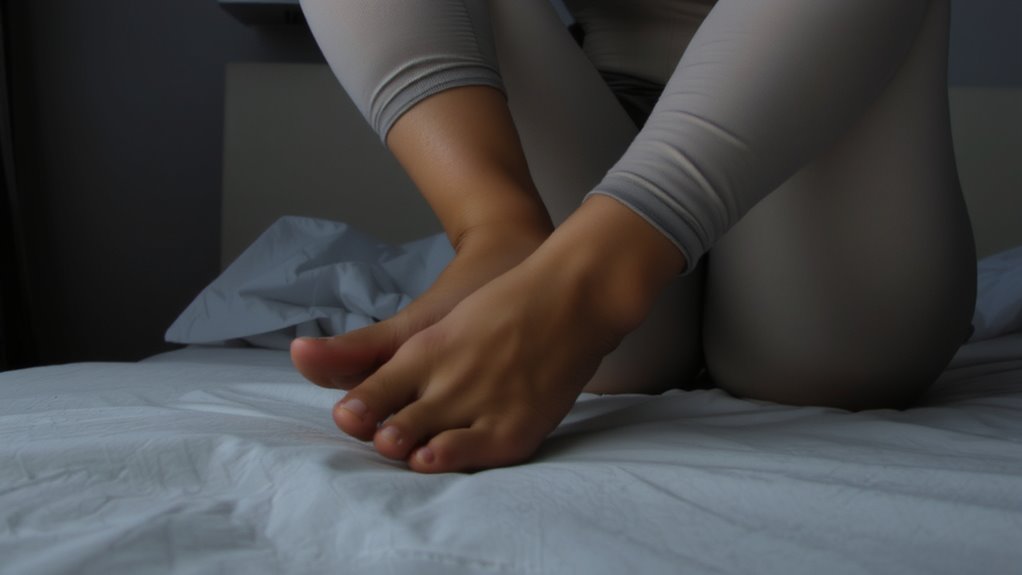
Tight sleepwear that presses on your limbs can do more than just make you uncomfortable - it can actually disrupt blood flow and set the stage for leg cramps. When compression restricts circulation, especially during prolonged rest, your legs may struggle to return blood to the heart, worsening venous insufficiency. This pooling of blood reduces oxygen delivery, leading to muscle hypoxia. Without enough oxygen, your muscles become more prone to involuntary contractions. You might not notice it at first, but over time, poor flow during sleep increases cramp risk, especially in the calves. Choosing breathable, non-restrictive sleepwear can help maintain steady circulation. Seamless fabrics and looser fits support vascular function without trapping heat. If you wake with frequent cramps, consider adjusting your sleepwear first-many brands offer trial periods, so testing a change is low-risk. It’s a simple step toward better nighttime comfort and muscle health.
Why Tight Clothes Make Muscles Cramp
A good night’s sleep depends on more than just your mattress or pillow-it also hinges on what you wear to bed. Tight clothing restricts blood flow and can lead to leg cramps by causing muscle compression. When your muscles are squeezed too tightly, especially in the legs, they don’t get enough oxygen-rich blood during the night. This lack of circulation makes them more likely to cramp. Tight fabrics also contribute to nerve restriction, disrupting the signals between your brain and muscles. These disruptions can trigger involuntary contractions, especially during long periods of inactivity like sleep. You might not notice the pressure at first, but over hours, the effects build. Choosing looser sleepwear reduces both muscle compression and nerve restriction. It’s a simple change that supports better muscle function and fewer cramps. Paying attention to fabric fit helps you make informed choices for healthier, more comfortable sleep without relying on medications or sleep aids.
Best Sleepwear for Circulation and Comfort
Comfortable sleepwear starts with smart fabric and fit choices-ones that support circulation and let your body move freely through the night. You’ll want materials that offer good temperature regulation so your body doesn’t overheat or get too cold, which can disrupt sleep. Fabrics like soft cotton, bamboo, or moisture-wicking blends help with moisture management, pulling sweat away from your skin to keep you dry. Loose-fitting designs prevent pressure on muscles and blood vessels, which is especially helpful if you’re prone to leg cramps. Look for flat seams and tagless labels to reduce irritation. Some brands offer sleepwear with added breathability in key areas, enhancing airflow. Many come with trial periods, so you can test comfort and fit. Choosing the right sleepwear isn’t about luxury-it’s about creating conditions that support steady circulation and uninterrupted rest.
Swap Tight Fabrics for These Breathable Picks
You’re already making smarter choices by focusing on fabric and fit that support healthy circulation, and now it’s time to take a closer look at what you’re actually wearing to bed. Swap tight fabrics for breathable picks like cotton, bamboo, or moisture-wicking blends-these materials boost fabric breathability and help maintain a stable sleep temperature. Loose-fitting pajamas made from natural fibers allow air to circulate, reducing overheating and minimizing leg cramp risks. Look for tagless designs and flat seams to prevent irritation, especially if you toss and turn. Brands offering trial periods let you test comfort over several nights, which matters since individual preferences vary. Performance isn’t just about softness-how the fabric manages heat and moisture plays a key role. Upgrading your sleepwear with these features may help you stay comfortable and cramp-free all night.
On a final note
If your sleepwear feels tight, it might be limiting blood flow and contributing to leg cramps. Compression from snug fabrics can slow circulation, especially in the legs, making cramps more likely. Choose loose-fitting, breathable sleepwear made from soft, stretchable materials like cotton or bamboo. These allow movement and help regulate temperature. Look for designs with flat seams and relaxed cuts. A good option often includes a trial period, so you can test comfort over several nights.