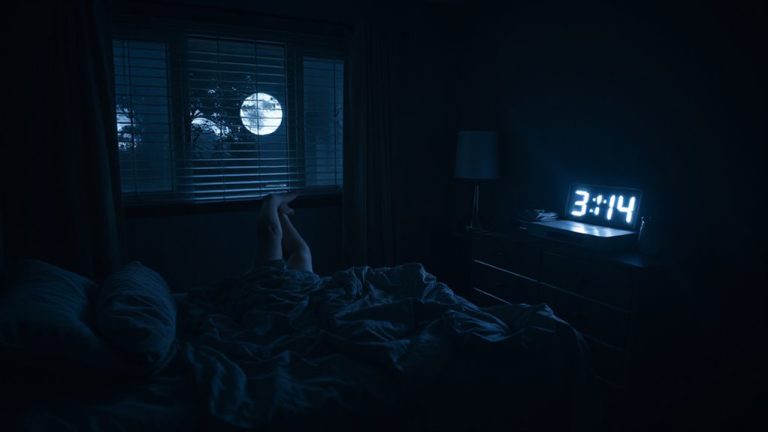
Why Sleeping in a Cluttered Room Increases Cognitive Load and Musculoskeletal Tension
You feel more stressed at night because a cluttered room forces your brain to stay active, processing visual chaos even in low light. This mental load increases cognitive strain, which often shows up as tension in your neck and shoulders. Disordered spaces delay melatonin release, disrupting deep sleep cycles. Clearing surfaces and simplifying your sleep zone reduces sensory input, helping your mind and body unwind. You’ll find better rest is possible with small, consistent adjustments-it starts with what you keep near your bed.
Notable Insights
- Clutter causes sensory overload, forcing the brain to continuously process visual stimuli, increasing cognitive load.
- Visual chaos keeps the prefrontal cortex active, delaying sleep onset and sustaining mental exertion.
- Persistent mental stress from disordered environments triggers muscle tension in the neck and shoulders.
- Unresolved mental fatigue due to clutter reduces physical relaxation, worsening musculoskeletal strain overnight.
- Disrupted melatonin release from mental overstimulation impairs deep sleep, amplifying cognitive and physical tension.
How Clutter Increases Nighttime Stress
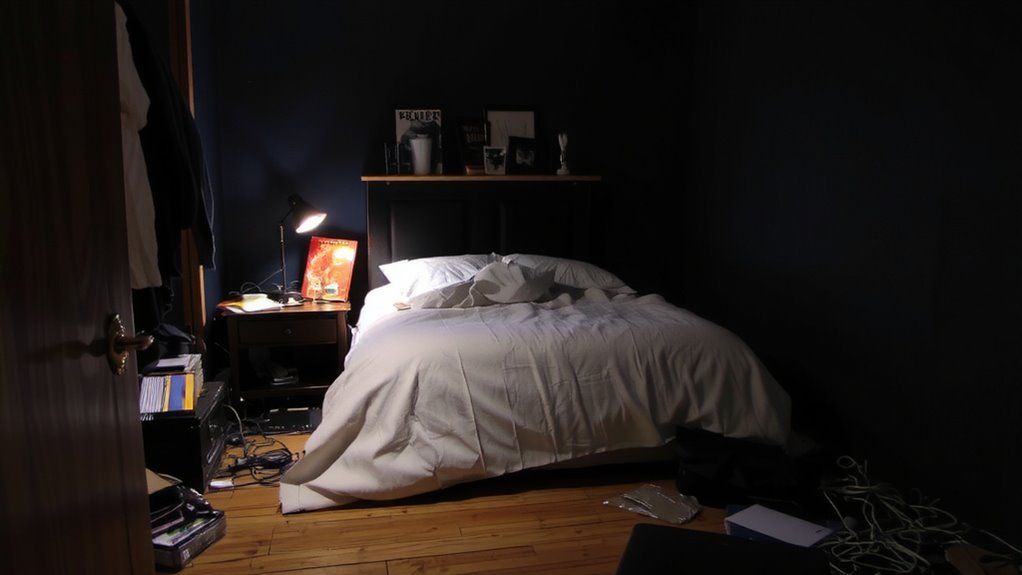
While it might seem harmless, sleeping in a cluttered room can quietly raise your stress levels at night, making it harder to unwind and fall asleep. You’re likely to experience sensory overload as your brain keeps processing scattered objects, even in dim light. This constant mental noise contributes to emotional fatigue, leaving you drained before you even try to rest. Clutter competes for attention, preventing the mental quiet needed for deep relaxation. Over time, that buildup can disrupt sleep patterns and make existing sleep disorders feel worse. Simple changes-like clearing surfaces, using storage bins, or doing a five-minute nightly reset-can reduce visual strain. Many find better rest comes not from expensive sleep aids, but from less visual chaos. Some sleep products even come with trial periods, so you can test what works after decluttering. Small steps can improve both sleep quality and daily focus.
The Science Behind Visual Chaos and Stress
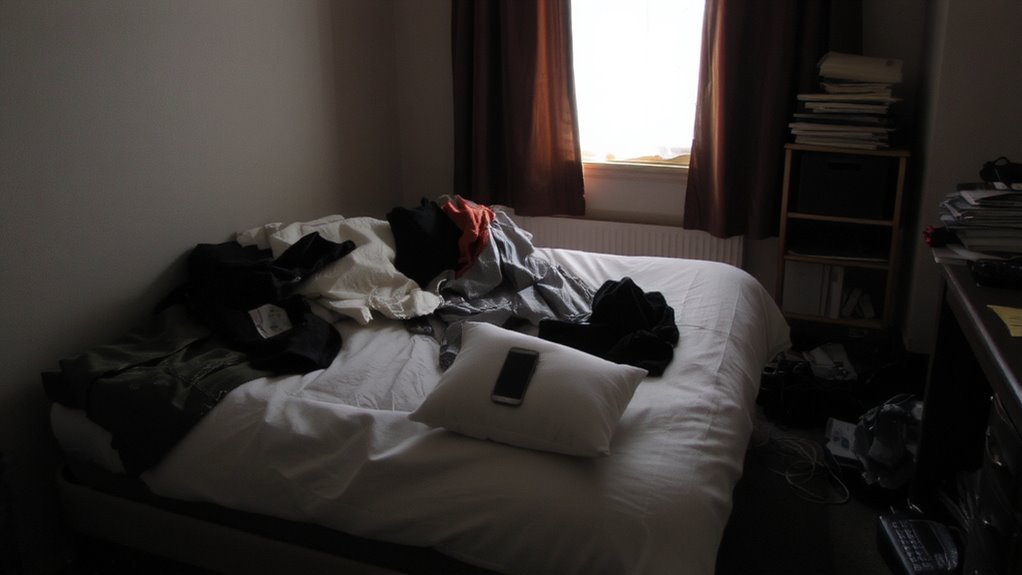
You feel it every night, even if you don’t notice it-the weight of disorder pressing just below the surface as you try to shut off your mind. Your brain doesn’t fully relax when your eyes register clutter, leading to sensory saturation. Every stray object in your field of vision adds input, forcing your mind to process more than it should at bedtime. This constant low-level demand creates neural overload, making it harder to shift into restful sleep. Studies show that visual chaos keeps the prefrontal cortex active, delaying sleep onset and reducing sleep quality. A tidy space reduces cognitive strain, supporting smoother mental unwinding. While sleep aids or white noise machines may help mask symptoms, they don’t fix the root cause. Adjusting room layout, using storage solutions, or trialing minimalist setups-even under a 30-day return policy-can clarify what works. Small changes often yield measurable improvements in how quickly and deeply you fall asleep.
Why Mental Load Causes Neck and Shoulder Tension
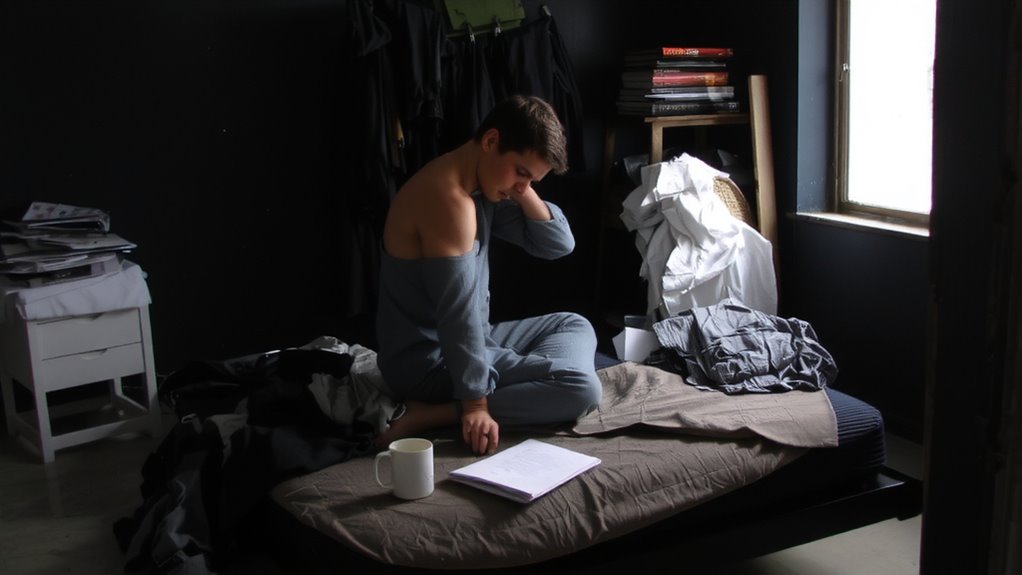
A surprising number of people carry mental stress as physical tightness, especially across the neck and shoulders, where tension builds without warning. When you’re under constant mental load, your body responds by clenching muscles, often in the upper back and neck, as if bracing against emotional baggage. This chronic activation leads to mental fatigue, reducing your ability to relax-even during sleep. The weight of unresolved thoughts mimics physical strain, increasing musculoskeletal tension over time. You might not realize how much your mental state affects posture and comfort. Addressing mental fatigue early can prevent long-term stiffness and improve sleep quality. Consider techniques like journaling or mindfulness to lighten cognitive demands. While sleep aids or supportive pillows may help manage symptoms, they work best when combined with habits that reduce psychological strain. Look for products with trial periods to test effectiveness, ensuring a practical fit for your routine.
How Clutter Disrupts Deep Sleep
Clutter in your bedroom doesn’t just make cleaning harder-it can quietly undermine the quality of your sleep, much like how mental stress builds up tension in your body. A disorganized sleep environment keeps your brain active, making it harder to shift into deep sleep. When your eyes scan clothes on chairs or stacks of books, it creates sensory overload, even when you’re not fully aware. This subtle stimulation can delay the release of melatonin, the hormone that regulates sleep. Over time, disrupted deep sleep affects memory, mood, and physical recovery. Consider how your space influences your rest. A clear, simple sleep environment reduces distractions and supports natural sleep cycles. Some people find that minimizing items near the bed improves sleep quality. If you struggle with sleep onset or restlessness, reassessing clutter could be a practical step before turning to sleep aids.
Small Changes That Reduce Clutter and Improve Sleep
Though it might seem minor, starting with just one small change can make a real difference in how well you sleep. Improving bed organization helps clear visual distractions-try keeping only essential bedding and removing extra pillows or clothes. A simple nightly habit of clearing surfaces reduces clutter stress over time. Pair this with a lighting adjustment: dimming lights an hour before bed signals your body it’s time to wind down. Use warm-toned bulbs or adjustable lamps to create a calmer environment. These small shifts don’t require cost or effort but can influence sleep quality and mental ease. Over time, better sleep routines may reduce reliance on sleep aids. No special tools are needed-just consistency. Many find improvements within a week, and some adjustments come with lifetime usability, making them low-risk changes to trial.
On a final note
You sleep better when your room feels calm and clear. Clutter adds mental strain and can tighten your muscles, especially in your neck and shoulders. A tidy space lowers visual stress, helping you relax and reach deeper sleep. Try small changes, like clearing surfaces or using storage bins-you might see results fast. Many find they need fewer sleep aids over time. Some products even offer 30-day trials, so test what works.