Myasthenia Gravis Worse at Night: 4 Causes & What Helps
Your myasthenia gravis worsens at night because your body’s natural rhythms reduce acetylcholine and nerve signaling, while muscle fatigue builds up from daily use. Medications often wear off by evening, and weaker breathing muscles can lead to sleep apnea or restless nights. Lying down makes it harder to breathe deeply, disrupting sleep quality. Poor rest leaves you unrefreshed, which worsens daytime symptoms. Adjusting dose timing or trying sleep aids like elevated positioning may help-options worth exploring further.
Notable Insights
- Circadian rhythms reduce acetylcholine availability and impair nerve-muscle signaling at night, worsening myasthenia gravis symptoms.
- Evening muscle fatigue results from prolonged neuromuscular activity, leading to decreased contraction efficiency and increased weakness.
- Waning medication levels due to short half-life or improper timing can cause symptom exacerbation during nighttime.
- Weakness in respiratory muscles increases the risk of sleep apnea, causing disrupted breathing and poor sleep quality.
- Lying down worsens muscle weakness and nocturnal symptoms, leading to fragmented sleep and unrefreshed mornings.
Why Do Myasthenia Gravis Symptoms Spike at Night?
Why do your myasthenia gravis symptoms seem worse when the sun goes down? It’s likely due to circadian influence on your body’s immune and neurological functions. As night approaches, your body naturally shifts into rest mode, but this rhythm can affect muscle signaling. Circadian influence may reduce acetylcholine availability when you need it most. Over the day, repeated nerve-muscle activity leads to neurotransmitter depletion, making communication between nerves and muscles less effective by evening. This drop in signaling contributes to increased symptom intensity at night. Recognizing this pattern helps you plan rest, medication timing, and sleep routines. Consider discussing extended-release medications or timed doses with your doctor. If symptoms disrupt sleep, evaluating sleep aids or positioning supports might help. Always review options with your care team, checking warranty or trial policies when trying new devices.
Why Muscle Fatigue Worsens in the Evening
Muscle fatigue often becomes more noticeable in the evening, and if you have myasthenia gravis, this isn’t just a coincidence-it’s tied to how your muscles respond to hours of use. Throughout the day, repeated activity leads to neuromuscular exhaustion, making it harder for nerves to trigger muscle contractions. This buildup of fatigue is worsened by your body’s natural circadian rhythm, which influences energy levels and muscle performance. As evening approaches, core body temperature drops and nerve signaling slows, further reducing muscle efficiency. You might find blinking, speaking, or swallowing more difficult now than in the morning. Recognizing this pattern helps you plan daily activities when strength is better. While fatigue is expected, tracking its timing gives insight into possible sleep disruptions. Consider how muscle weakness affects breathing or positioning at night, as this impacts sleep quality. Simple adjustments now may improve comfort later.
How Medication Timing Impacts Nighttime Symptoms
Since your medication wears off over time, taking it at the right intervals can make a real difference in how well you sleep and how you feel at night. Your medication’s half life determines how long it stays active in your system, so aligning doses with this timing helps maintain stable muscle strength. If your dosing frequency doesn’t match your body’s needs, symptoms may worsen by evening. Taking doses too early or too late can leave you with weak muscles when winding down. Work with your doctor to adjust timing, not just dose amount. Some find a slightly larger dose in late afternoon helps bridge the gap to bedtime. Others benefit from extended-release forms with longer half lives. Tracking symptoms and sleep patterns helps identify when adjustments are needed. Consistent timing improves control and may reduce nighttime discomfort without increasing total daily medication.
Sleep Apnea and Breathing Problems in Myasthenia Gravis
While you may not always notice it during the day, the muscle weakness caused by myasthenia gravis can worsen at night and affect your breathing, especially if the muscles that control your airway or diaphragm are involved. This can lead to sleep apnea and breathing difficulties, disrupting your rest and lowering oxygen levels. Many people with MG are at higher risk for obstructive or central sleep apnea due to weakened respiratory muscles. Using an oral appliance like a sleep apnea mouthpiece may be an alternative or complementary option for managing mild cases of obstructive sleep apnea, especially if CPAP intolerance is an issue.
| Symptom | What It Means for You |
|---|---|
| Snoring or gasping | Possible sign of airway blockage during sleep |
| Daytime fatigue | Could signal untreated sleep apnea |
| Shallow breathing | Indicates weakened diaphragm or chest muscles |
| Waking breathless | Suggests breathing difficulties need evaluation |
Talk to your doctor about a sleep study if you notice these signs. Using a CPAP or BiPAP device might help manage sleep apnea and improve your breathing during rest.
How MG Disrupts Sleep Patterns
Even if you’re managing your myasthenia gravis symptoms during the day, nighttime can bring new challenges that quietly disrupt your sleep. Muscle fatigue often worsens at night, leading to involuntary movements like nocturnal twitching, which can interrupt your rest without fully waking you. This contributes to sleep fragmentation-the frequent, subtle awakenings that prevent deep, restorative sleep. Your breathing muscles may also weaken further when lying down, compounding disruptions. These patterns reduce sleep quality even if you spend enough time in bed. Over time, poor sleep can make daytime symptoms harder to control. Recognizing signs like twitching or unrefreshed mornings helps identify sleep issues early. Tracking symptoms and discussing them with your doctor allows for timely evaluation of whether interventions like monitoring or support devices are needed.
MG-Safe Sleep Strategies to Reduce Night Flare-Ups
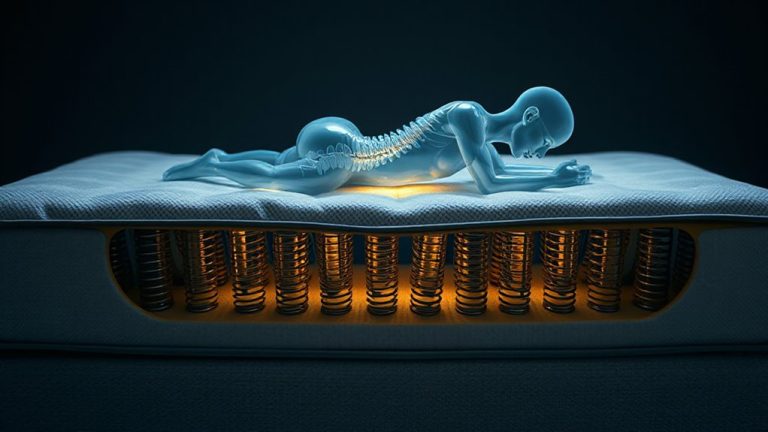
If you’re living with myasthenia gravis, choosing the right sleep setup can make a real difference in how well you rest overnight and how strong you feel in the morning. Use a firm mattress and supportive pillow to keep your airway open and reduce muscle strain. Elevating your head slightly may ease breathing and lower the chance of nighttime symptoms. Establish a consistent bedtime routine that includes quiet activities like reading or gentle stretching. Practicing relaxation techniques-such as deep breathing, guided imagery, or progressive muscle relaxation-can calm your nervous system and prepare your body for sleep. Avoid screens and heavy meals close to bedtime. These strategies don’t require special equipment, but some find relief with a CPAP machine if sleep apnea is present. Always consult your doctor before trying new sleep aids or devices. Small, consistent changes often offer the best results. A supportive bed frame can enhance stability and comfort, especially when choosing best beds for 4-year-olds designed for proper spinal alignment.
When to Seek Help for Nighttime MG Flare-Ups
You’ve already made changes to support better sleep, like adjusting your pillow or trying relaxation techniques, but there are times when nighttime symptoms still worsen despite your best efforts. If you notice sudden muscle weakness, trouble breathing, or difficulty swallowing during the night, these could be signs of nighttime emergencies. Don’t wait-seek immediate care. Even if symptoms are milder but persistent, scheduling a medical consultation is important. Your doctor may adjust medications or suggest therapies to better manage flares. Consider keeping a symptom log to track patterns and triggers. Early intervention can prevent complications and improve your long-term sleep quality. Balancing treatment and awareness helps you stay ahead of flare-ups while maintaining safety and rest.
On a final note
You might notice symptoms worsen at night due to natural fatigue, medication wearing off, or breathing changes during sleep. Poor sleep can worsen muscle weakness, so managing timing of doses and checking for sleep apnea helps. Consider discussing overnight support, like bilevel devices, with your doctor. Test adjustments gradually and track changes. Many find better rest with small, informed changes to routines or equipment backed by trial periods and medical guidance.