Doxepin 3 mg for Sleep Maintenance: What the Data Shows
You might struggle to stay asleep because aging or stress can disrupt your sleep cycles, but doxepin 3 mg is approved specifically for this issue. It works by blocking histamine receptors, which helps reduce nighttime wakefulness without disturbing deep or REM sleep. Unlike many sleep aids that target falling asleep, this low dose maintains sleep safely over time, with little next-day grogginess. Most users see real improvements within weeks, and the effects stay stable. More details about how it compares to other options follow.
Notable Insights
- Doxepin 3 mg is FDA-approved specifically for sleep maintenance due to its selective action on histamine receptors.
- At this low dose, it blocks H1 histamine receptors, reducing nighttime wakefulness without disrupting sleep stages.
- Clinical trials showed it increases total sleep time by 45 minutes and reduces wakefulness after sleep onset.
- It preserves natural sleep architecture, including deep and REM sleep, unlike many sedative sleep aids.
- The 3 mg dose minimizes side effects and next-day grogginess, supporting safe, long-term use for sleep maintenance.
Why Staying Asleep Is Harder Than Falling Asleep
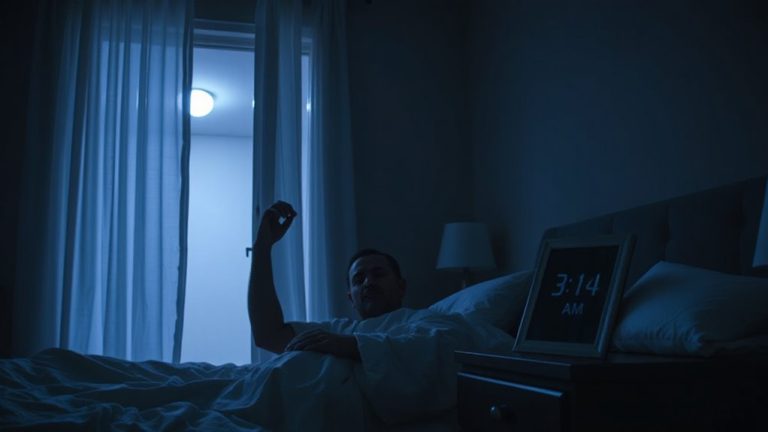
Ever wonder why you can drift off to sleep just fine but still wake up hours later, staring at the ceiling? The issue often lies in your sleep architecture - the pattern your brain follows through light, deep, and REM sleep. As you age or face stress, this structure tends to fragment, making it harder to stay asleep. A key factor is neurotransmitter balance; chemicals like histamine and serotonin help regulate sleep cycles, and even slight imbalances can cause mid-sleep awakenings. While falling asleep relies heavily on initial drowsiness, staying asleep requires steady brain activity throughout the night. Disruptions in either sleep architecture or neurotransmitter balance don’t always respond to typical sleep aids, which are often designed for sleep onset, not maintenance. Understanding these factors helps you better evaluate treatments focused on continuity, not just initiation, of sleep - a vital step in managing sleep maintenance issues effectively.
How Doxepin 3 Mg Keeps You Asleep All Night
While most sleep aids focus on helping you fall asleep, low-dose doxepin at 3 mg is specifically approved to help you stay asleep through the night. It works by gently targeting your brain’s neurotransmitter balance, mainly affecting histamine receptors without heavily sedating other systems. This selective action helps reduce nighttime wakefulness without leaving you groggy in the morning. Unlike stronger sedatives, it doesn’t disrupt normal sleep architecture, so you still get restorative deep sleep and REM cycles. Because it’s low-dose, the risk of tolerance or dependency is lower, making it a practical choice for ongoing use under medical supervision. You’ll likely notice fewer middle-of-the-night awakenings and better sleep continuity. It’s not for falling asleep quickly, though-timing matters. Doctors usually recommend taking it within 30 minutes of bedtime, once you’re ready to stay in bed.
What FDA Trials Reveal About Doxepin 3 Mg
You’ve seen how low-dose doxepin helps maintain sleep through the night by targeting histamine receptors with minimal disruption to your natural sleep cycle, and now it’s worth looking at what the FDA trials tell us about its effectiveness and safety at the 3 mg dose. These studies used placebo comparisons and evaluated long term efficacy over several weeks. Participants taking doxepin 3 mg showed improved sleep maintenance, with fewer awakenings and longer total sleep time. Side effects were mild and similar to placebo.
| Outcome | Doxepin 3 Mg | Placebo |
|---|---|---|
| Sleep time increase | +45 min | +15 min |
| Wake after sleep onset | Reduced 38% | Reduced 12% |
| Long term efficacy | Maintained at 12 weeks | Minimal change |
| Common side effects | Mild drowsiness, headache | Comparable rates |
Results support its approval for chronic use with consistent performance and low risk of tolerance.
How Low-Dose Doxepin Blocks Histamine
One key reason low-dose doxepin works so well for sleep maintenance lies in how it selectively blocks histamine receptors in the brain. You benefit from strong histamine blockade, which helps quiet wakefulness and supports staying asleep. At just 3 mg, doxepin shows high receptor specificity, mainly targeting the H1 receptor without broadly affecting other systems. This focused action means it influences sleep pathways without overwhelming your body. Unlike some sleep aids that affect multiple receptors, this precision reduces unnecessary side effects and supports better nighttime performance. Because of its strong affinity for H1 receptors, low-dose doxepin promotes uninterrupted sleep without next-day grogginess for most users. The drug’s behavior in trials reflects this targeted design, showing improved sleep duration and fewer awakenings. Its FDA approval for sleep maintenance stems directly from this reliable, selective mechanism. You’re getting a sleep aid built for specific, measured action-not a full system override. That’s a key trade-off worth considering.
Why 3 Mg Works: Without the Side Effects
The 3 mg dose of doxepin works because it’s strong enough to block histamine receptors that keep you awake, but low enough to avoid affecting other brain systems that cause side effects. You get the sleep support you need without next-day grogginess, dry mouth, or dizziness-common issues with higher doses. This precise dosage sensitivity means only the intended receptors are targeted, helping maintain your natural sleep cycle. That’s why its side effect profile is so favorable compared to stronger sedatives. Since your body responds closely to small changes in dose, sticking to the prescribed 3 mg is key. Clinical trials show most people tolerate it well, with minimal risk of dependency or disruptive side effects. It’s been tested over long periods, so you can trust its performance for ongoing use. Talk to your doctor to see if this option fits your sleep goals.
Doxepin Vs. Other Sleep Medications
How do your sleep medication options stack up when it comes to staying asleep through the night? Doxepin at 3 mg stands apart due to its unique mechanism comparison with other sleep aids. Unlike many medications that target GABA receptors to induce sleep onset, doxepin works mainly through receptor selectivity-it strongly blocks histamine H1 receptors, which helps maintain sleep without heavily affecting other brain systems. This focused action means you’re less likely to experience grogginess or dependency. Other sleep meds may disrupt sleep architecture or lose effectiveness over time, but doxepin’s stability in maintaining sleep duration has been shown in clinical trials. It doesn’t sedate broadly; instead, it gently sustains sleep by targeting only the pathways most involved in wakefulness. That precision can make a real difference if maintaining sleep-not just falling asleep-is your main challenge.
Is Doxepin 3 Mg Right for You?
You’ve likely compared different sleep medications and seen how doxepin differs by targeting histamine receptors to support uninterrupted sleep without broad sedation. If you struggle with staying asleep, this low dose may improve your sleep quality by extending rest without leaving you groggy. Unlike some stronger sedatives, doxepin at 3 mg works gently, mainly blocking histamine, which helps regulate wakefulness. It’s approved specifically for sleep maintenance, not for falling asleep quickly. You should consider your overall mental health, as doxepin is also an antidepressant at higher doses-though at 3 mg, that effect is minimal. Talk to your doctor, especially if you have existing conditions or take other meds. It’s not for everyone, but if broken sleep is your main issue, it could be a useful option to try under medical guidance.
On a final note
You might stay asleep better with doxepin 3 mg because it blocks histamine steadily through the night, unlike many sleep aids that help you fall asleep but not stay asleep. FDA trials show it works mainly for sleep maintenance, with few next-day effects at this low dose. It’s not for everyone-especially if you have certain health conditions. Talk to your doctor, weigh the benefits and risks, and consider how it fits your specific sleep needs.