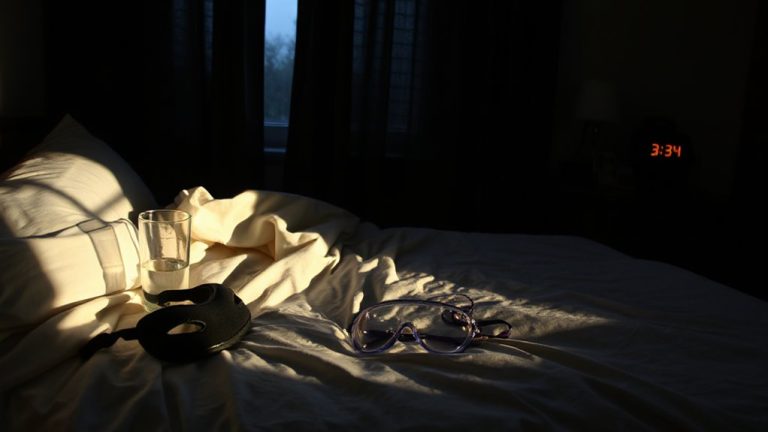
Why Resistance Training Five Hours Before Bed Optimizes Sleep Quality
You lower cortisol spikes and support its natural rhythm by lifting five hours before bed, helping your body shift into rest mode. Your core temperature drops more efficiently afterward, speeding up sleep onset. This timing avoids late digestion, supports recovery, and enhances deep sleep without overstimulating your mind. Regular evening training can improve sleep quality over time-especially when paired with cool, breathable sleep environments. There’s more to discover about how this routine reshapes long-term rest.
Notable Insights
- Finishing resistance training 5 hours before bed allows core body temperature to drop, promoting faster sleep onset.
- Properly timed evening lifting supports cortisol regulation, reducing stress hormone spikes that disrupt sleep.
- Resistance exercise enhances deep sleep as muscles recover, strengthening the sleep-physical activity connection.
- Training earlier in the evening avoids digestive and thermal interference, supporting natural sleep transitions.
- Consistent pre-bed timing of resistance workouts improves long-term sleep architecture without medication reliance.
Why Resistance Training Balances Cortisol for Better Sleep
While your body’s stress hormone, cortisol, naturally rises and falls throughout the day, resistance training helps keep that rhythm steady, which can support better sleep over time. You build stress resilience as consistent workouts temper cortisol spikes, especially when you train earlier in the intervener in the day. This balance encourages hormonal harmony, letting your body move smoothly into rest. Over weeks, this pattern supports deeper, more consistent sleep without relying on sleep aids. It won’t fix every disorder, but it can reduce reliance on quick fixes with side effects. Think of resistance training as a long-term tool-it takes effort and time, like any effective system. Most people see improvements in 4–6 weeks. Choose programs with clear form cues and gradual load increases to stay safe. Many include trial periods or online support. The real benefit? You’re not just chasing sleep-you’re building the internal stability that makes it possible.
The Body Temperature Sweet Spot: Cooling Down to Fall Asleep Faster
A slight drop in your body temperature signals your brain that it’s time to sleep, and resistance training can help you hit that sweet spot faster. After your workout, your body goes through a natural cooldown phase, improving thermal regulation over the next several hours. This gradual decline in core temperature supports faster sleep onset, making it easier to fall asleep when you lie down. You don’t need special equipment or sleep aids-just consistent timing and awareness of your body’s responses. Wearing breathable clothing and keeping your bedroom cool can enhance this effect. Good thermal regulation doesn’t guarantee perfect sleep, but it creates favorable conditions. If you struggle with sleep onset, tracking how your body cools after exercise might offer useful insights. Over time, this knowledge helps you adjust routines for better results without relying on medications or supplements.
The Ideal Timing: 5 Hours Before Bed
Most experts agree that finishing your resistance training about 5 hours before bed gives your body enough time to wind down while still benefiting from the workout’s effects on sleep. You’ll likely notice better results when you maintain workout consistency, making this timing a reliable part of your routine. This window allows your core temperature to drop naturally by bedtime, supporting deeper sleep onset. It also gives you time to focus on post exercise nutrition-like protein and carbs-which helps muscle recovery without disrupting sleep. Since digestion slows at night, eating too late might cause discomfort, so timing matters. If you’re using sleep aids or managing a sleep disorder, this schedule may reduce reliance over time by improving natural sleep drive. It’s not about perfect performance every day, but steady choices that add up. A consistent, well-timed routine with proper recovery builds long-term sleep quality.
From Muscle Tension to Mental Calm: The Dual Sleep Benefits of Lifting
You’ve already seen how timing your resistance training around 5 hours before bed supports better sleep through temperature regulation and recovery nutrition, and now it’s worth considering how lifting affects both your body and mind in ways that improve sleep quality. As you build strength, your body cycles through muscle recovery, repairing tissue during deep sleep and reinforcing the link between physical effort and rest. That process helps regulate sleep patterns over time, especially if consistent. At the same time, lifting can promote mental relaxation by reducing daily stress hormones and offering a sense of control and routine. The combination of physical fatigue and calmer thoughts creates conditions favorable to falling asleep and staying asleep. Unlike sleep aids, which may carry side effects or dependency risks, resistance training supports natural sleep architecture with long-term benefits worth trying.
Why Evening Workouts Don’t Ruin Sleep: And Might Boost It?
While many assume evening workouts disrupt sleep, recent research suggests lifting weights at night might actually enhance your rest when managed correctly. You can turn evening energy into deeper sleep by timing your routine five hours before bed, letting your body cool down and your nervous system settle. Unlike intense cardio, resistance training promotes muscle fatigue without overstimulating your mind. After your last set, practice post workout mindfulness-try slow breathing or light stretching to signal your body it’s time to wind down. This shift helps regulate cortisol and supports natural sleep onset. If you struggle with sleep disorders, consider how strength training reshapes sleep architecture over time, increasing deep sleep. Sleep aids may offer short-term relief, but consistent evening resistance work builds long-term resilience. Trial a few sessions, track your sleep quality, and adjust as needed-most fitness warranties on progress include patience and consistency.
On a final note
You’ll likely sleep better if you lift weights about five hours before bed, as it helps balance cortisol and lowers body temperature at bedtime. This timing lets your body wind down naturally, easing muscle and mental tension. It doesn’t replace treating sleep disorders, but it may reduce reliance on sleep aids. Consider trying a consistent evening routine for a few weeks. Many find improved sleep without side effects or costs-just track your results to see what works.