Why Advanced Sleep Phase Disorder Patients Need Later Bedtimes
You need a later bedtime because ASPD shifts your body clock too early, making you sleepy by 7 or 8 p.m. and causing very early wake times. Even with enough sleep, you might feel tired because your rhythm doesn’t match the outside world. Light therapy right after waking helps delay your internal clock, while taking low-dose melatonin in the early evening can guide your body toward a later schedule. Staying consistent with light and timing supports long-term adjustment. A structured evening routine with dim light and no screens makes it easier to stay awake until your target bedtime. Small, steady changes improve energy, focus, and social connection over time-there’s practical support that fits your life.
Notable Insights
- ASPD shifts the internal clock forward, causing early sleep and wake times that misalign with social and daily demands.
- Early bedtimes lead to social isolation, as patients cannot stay awake for evening activities or family time.
- Despite sufficient sleep duration, early waking often results in daytime exhaustion and reduced functioning.
- Delaying bedtime helps realign the circadian rhythm with a more conventional schedule for improved quality of life.
- Treatments like light therapy and timed melatonin are used to gradually shift sleep onset later and sustain the new rhythm.
What Is Advanced Sleep Phase Disorder?
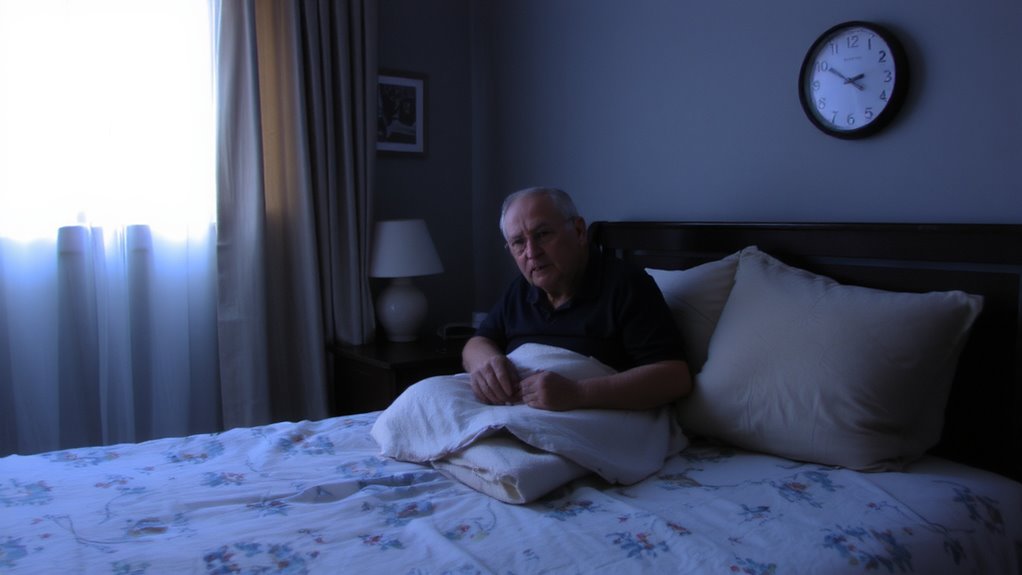
While most people struggle to fall asleep early or wake up too late, you might actually experience the opposite if you have advanced sleep phase disorder (ASPD). Your body clock runs on an earlier schedule than normal, making you feel sleepy in the early evening and wide awake before sunrise. This shift results from circadian misalignment-your internal rhythm no longer matches the typical 24-hour day. Evidence suggests a genetic predisposition, since ASPD often runs in families. It’s more common in older adults but can affect younger people too. Diagnosis typically involves tracking sleep patterns over days, sometimes with a sleep diary or actigraphy. While not harmful on its own, it can disrupt work, social life, or routines. Recognizing the signs helps you decide whether to consult a specialist, explore light therapy, or consider behavioral adjustments-practical steps that address timing without rushing to medications or invasive solutions.
Why ASPD Makes Staying Up Early a Problem

Because your body’s internal clock shifts forward with advanced sleep phase disorder, trying to stay awake into the late evening can feel nearly impossible, even if you want to. This early sleep drive creates circadian misalignment, meaning your natural rhythm doesn’t match typical social schedules. You may fall asleep by 7 or 8 p.m., only to wake up too early, exhausted. Over time, this mismatch can lead to social isolation, as evening plans become harder to join. Family dinners, gatherings, or work events may feel out of reach, not by choice but by biology. While sleep aids might seem helpful, they don’t fix the root timing issue. Managing this often means adjusting routines or seeking treatments that shift your clock later. Small changes can improve evening alertness, helping you stay engaged when it matters most.
How Light Therapy Resets Your Internal Clock
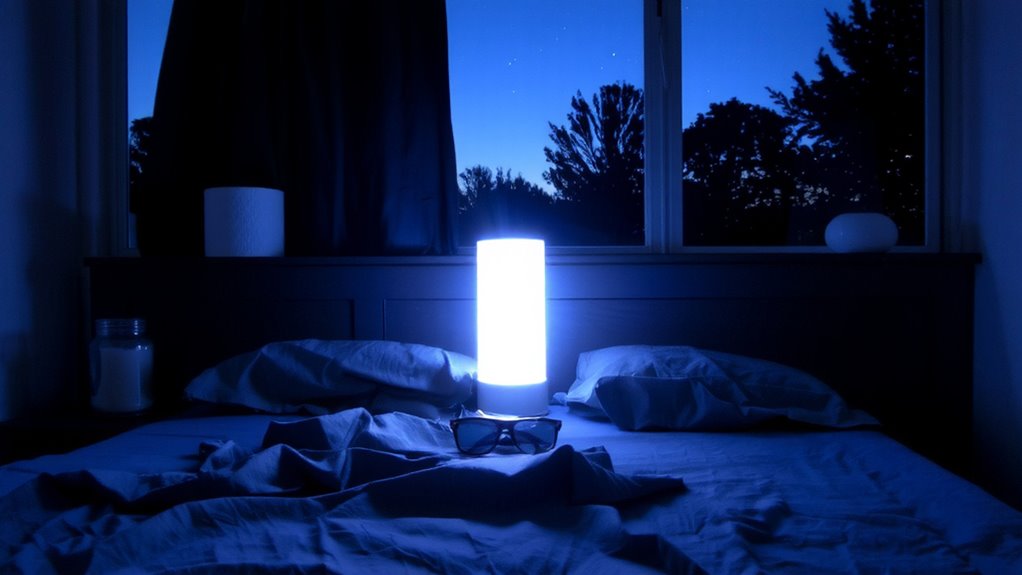
What if you could shift your sleep schedule later just by using light at the right time? Light therapy helps reset your circadian rhythm by delivering controlled light exposure when your body is most responsive. Using a lightbox shortly after you naturally wake up signals your brain to delay melatonin release, gradually pushing your internal clock later. This daily practice works best with bright, white light around 10,000 lux, for 20 to 30 minutes. Consistency matters-timing and duration influence how quickly you see results. Most people notice changes within one to two weeks. Choose a device with a diffused screen and tested output to guarantee safety and effectiveness. Check for models with replaceable bulbs and a solid warranty, as daily use may wear components over time. When used correctly, light therapy is a non-invasive, evidence-based tool to adjust your sleep timing through targeted light exposure.
When to Take Melatonin for ASPD
How do you time melatonin to shift your sleep schedule later if you have Advanced Sleep Phase Disorder? Melatonin timing is key-you should take it several hours before your current bedtime, usually around 6 to 8 p.m., to gradually delay your sleep onset. This signals your body that your internal night starts later. Start with a low dose, like 0.5 to 1 mg, to reduce grogginess and allow room for dosage adjustment if needed. Higher doses aren’t always better and may cause morning drowsiness. Use immediate-release melatonin, since it acts quickly. Take it at the same time every night for consistency. Effects build over days, so give it at least a week before making changes. Pair it with steady wake-up times for better results. Always discuss dosage adjustment with your doctor, especially if you’re on other medications or have health concerns.
How to Build an Evening Routine That Helps
While your body’s internal clock may push you toward early sleep with Advanced Sleep Phase Disorder, building a consistent evening routine can gently guide your bedtime later. Focus on a structured evening wind down that starts at the same time each night, helping signal your brain that sleep isn’t imminent yet. Try dimming lights, avoiding screens, and engaging in quiet activities like reading or light stretching. These steps support bedtime consistency, which is key for shifting your rhythm gradually. You might include low-dose melatonin 1–2 hours before your desired bedtime, under a doctor’s guidance. Stay patient-changes take days or weeks. Keep your environment calm and predictable. Small, daily efforts in timing and routine build momentum. Over time, this consistency helps realign your internal clock without strain, making later bedtimes feel more natural and achievable.
On a final note
You might feel tired early, but pushing your bedtime later can align your sleep with everyday life. Light therapy in the evening and melatonin in the morning may shift your internal clock. Building a relaxing routine helps signal it’s not time to sleep yet. Try small changes first, see what works, and track your progress. Many find relief with consistent timing and light exposure, improving both rest and daily function over time.