Using Passionflower to Improve Sleep in People With Chronic Pain
Chronic pain keeps your nervous system activated, making it hard to fall asleep and stay asleep. Passionflower may help by boosting GABA, a brain chemical that calms nerve activity, reducing restlessness and supporting natural sleep. It’s non-habit-forming, works within 30–60 minutes, and can be taken as a capsule, tincture, or tea. Some studies suggest improved sleep quality when used nightly. You might notice better results when combining it with relaxation techniques or other calming herbs. There’s more to reflect upon about timing and blends that could work better for your needs.
Notable Insights
- Chronic pain disrupts sleep by keeping the nervous system overactive, increasing tension and nighttime discomfort.
- Passionflower may improve sleep by boosting GABA levels, calming nerve activity, and reducing restlessness.
- Studies suggest passionflower shortens sleep onset and enhances sleep quality in people with insomnia.
- Standardized passionflower extracts (2–3% flavonoids) in capsules or tinctures offer reliable dosing and faster absorption.
- Combine passionflower with sleep hygiene practices for better results, as it supports but doesn’t cure pain-related insomnia.
Why Chronic Pain Ruins Sleep: And How Passionflower Helps
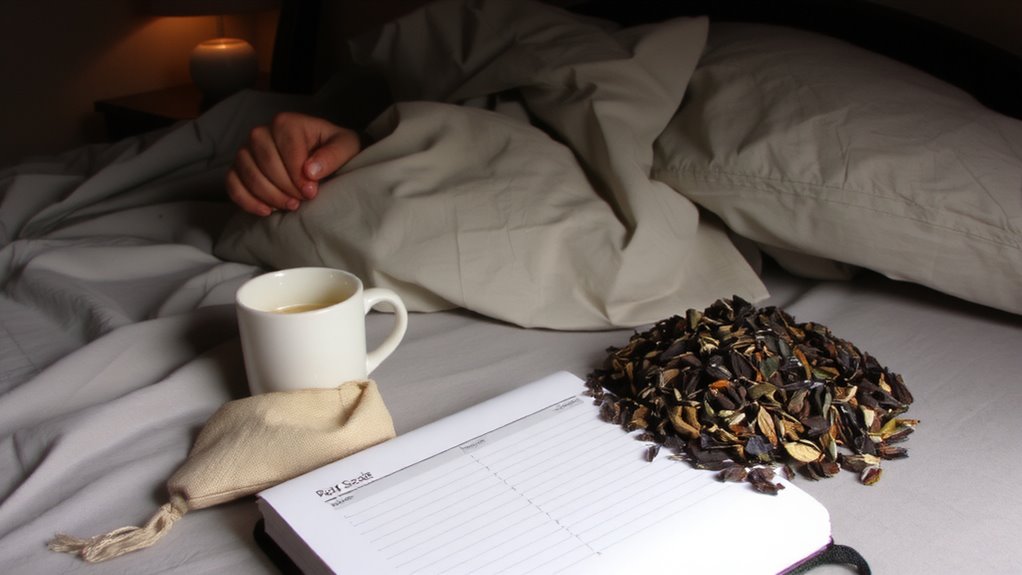
Why does chronic pain make rest feel so out of reach? Because your body’s stuck in a cycle of nervous tension and emotional distress, keeping your mind alert even when you’re exhausted. Pain signals don’t shut off at night-they heighten, disrupting sleep onset and quality. You might lie still, but your nervous system stays activated, reacting to discomfort with increased heart rate and muscle tightness. This constant strain worsens emotional distress, feeding anxiety about not sleeping, which only deepens the problem. Over time, poor sleep lowers pain thresholds, making everything feel more intense. You’re left weighing sleep aids, each with trade-offs in effectiveness, side effects, or dependency risks. Understanding how pain and sleep interact helps you make informed choices. Addressing both nervous tension and emotional distress becomes key-not just masking symptoms, but supporting your body’s ability to relax naturally.
How Passionflower Promotes Sleep With Chronic Pain
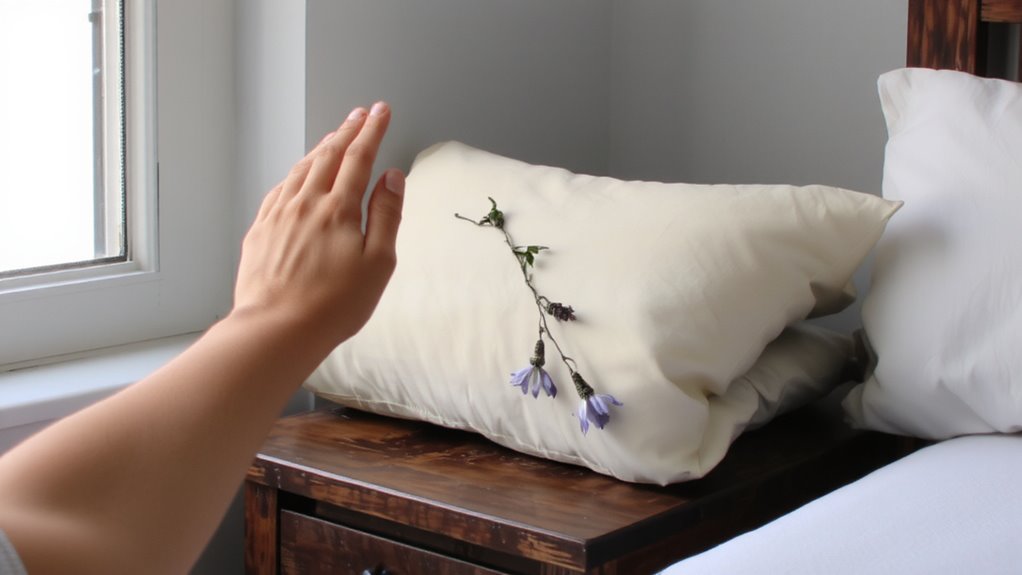
You’re not alone in lying awake, caught between pain that won’t ease and a body that can’t relax. Passionflower helps by gently influencing your brain chemistry, boosting GABA levels to calm overactive nerves. This shift reduces nerve sensitivity, which may ease both discomfort and restlessness. Unlike harsh sedatives, it promotes natural drowsiness without next-day fog.
| Benefit | How It Helps |
|---|---|
| Calms brain activity | Supports balanced brain chemistry |
| Reduces nerve signals | Lowers nerve sensitivity |
| Encourages relaxation | Prepares body for sleep |
| Non-habit forming | Safe for short-term use |
| Plant-based source | Fewer side effects than pharmaceuticals |
You can take passionflower as tea, tincture, or capsule. Most find effects within 30–60 minutes. Start with a low dose to assess tolerance. While not a cure, it’s a practical option worth trying alongside other sleep strategies.
What Science Says About Passionflower for Pain-Related Insomnia

Could something as simple as a plant really help when pain keeps you awake night after night? Research suggests passionflower may support better sleep in people with chronic pain by influencing neurotransmitter balance, particularly GABA, which helps calm nervous system activity. Small clinical studies show it can reduce sleep latency and improve sleep quality without next-day grogginess. While not a standalone cure, it works best as part of a broader sleep strategy. Its effects may be enhanced through herbal synergy when combined with valerian or lemon balm, though responses vary. Most trials used standardized extracts over 2–8 weeks, reporting mild side effects. Passionflower won’t replace medical treatment, but it’s a gentle option worth considering alongside other non-pharmacological approaches. Always consult your healthcare provider before use, especially if taking other medications.
Best Passionflower Supplements for Sleep Support
Now that you’ve seen how passionflower may help ease sleep troubles tied to chronic pain, it’s time to look at the types of supplements that could fit into your routine. You’ll find passionflower in several supplement forms, including capsules, liquid extracts, and teas-each with different absorption speeds and convenience levels. Capsules offer precise dosing, while tinctures allow faster uptake and adjustable amounts. If you prefer a broader approach, passionflower blends often combine it with calming ingredients like valerian, chamomile, or magnesium, which may enhance sleep support. These blends can be especially useful if your sleep struggles involve both pain and restlessness. When choosing a product, look for one made by a reputable brand that uses standardized extracts and third-party testing. This guarantees quality and consistency. Try starting with a simple form to see how your body responds before moving to complex blends.
Passionflower Dosage and Timing for Better Rest
A typical starting dose of passionflower for sleep support ranges from 200 to 400 milligrams of standardized extract, taken about 30 to 60 minutes before bedtime. Getting the dosage timing right helps guarantee peak intake for restful effects. You can adjust gradually, up to 900 mg if needed, but start low to assess your response. Consistency matters-take it at the same time each night.
| Form | Dosage Timing | Peak Intake Window |
|---|---|---|
| Capsule | 30–60 min before bed | Easy to measure, fast |
| Tea | 45–60 min before bed | Soothing, mild effect |
| Tincture | 30 min before bed | Fast absorption, precise drops |
Look for extracts standardized to 2–3% flavonoids for reliable performance. Check labels for third-party testing to verify content. Most supplements offer a 30-day trial, so you can test effectiveness safely. Stick with it for at least a week to judge real impact.
Combine Passionflower With These Chronic Pain Sleep Strategies
While passionflower can support sleep, combining it with other chronic pain management strategies may improve your rest more effectively. Adding mindfulness meditation to your nightly routine can help quiet a racing mind, making it easier to fall asleep despite discomfort. Just 10–15 minutes of focused breathing or body scanning may reduce pain perception and support relaxation. You should also optimize your sleep environment-keep your bedroom cool, dark, and quiet, and invest in a supportive mattress or pillows designed for pain relief. Using blackout curtains, white noise machines, or comfortable bedding can make a meaningful difference. Consider consistent sleep and wake times, even on weekends, to regulate your body’s rhythm. These approaches work best when used together over time, so give each strategy a fair trial. There’s no single fix, but thoughtful combinations often lead to better results. For enhanced environmental control, consider incorporating one of the best sleep devices for better rest, such as a white noise machine.
On a final note
You can use passionflower to help improve sleep when chronic pain makes rest hard. It works gently, supporting relaxation without heavy sedation. Studies suggest it may reduce anxiety and improve sleep quality, though results vary. Try a standardized extract, around 300–500 mg, 30–60 minutes before bed. Pair it with good sleep habits for best results. Always check with your doctor, especially if you take other medications.