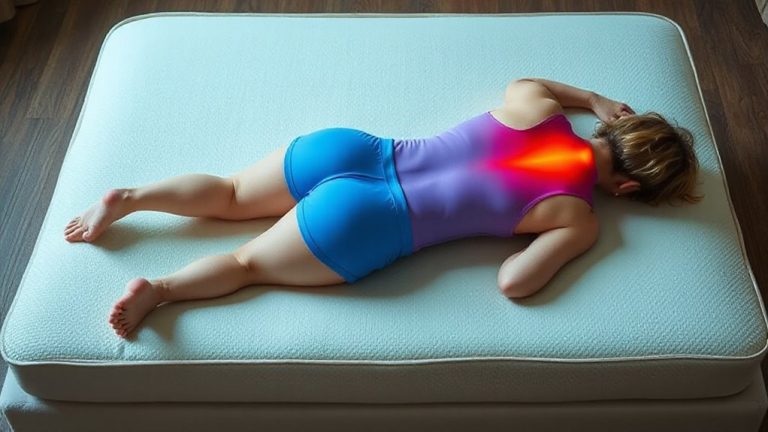
Tracking Sleep Efficiency Metrics Alongside Morning Range-of-Motion Assessments
You can track your sleep efficiency using wearables or non-contact devices that measure rest duration, disturbances, and sleep stages-look for models with lab-validated accuracy and automatic detection. Pair this with simple morning tests like the forward bend or deep squat to gauge mobility. When sleep efficiency drops below 85%, stiffness often follows. Use trends in your data to adjust bedtime, room temperature, or try a mattress topper, ideally testing changes over a few weeks; many trackers and sleep aids offer trial periods so you can see what works best for your recovery patterns.
Notable Insights
- Track sleep efficiency using validated wearables to ensure accurate time-asleep versus time-in-bed measurements.
- Pair sleep data with morning mobility tests like forward bend and deep squat for recovery insights.
- Use non-wearable trackers with respiratory monitoring to assess sleep quality without discomfort.
- Identify trends linking poor sleep efficiency to reduced range of motion and morning stiffness.
- Optimize recovery habits by adjusting bedtime or sleep environment based on combined sleep and mobility data.
Track Your Sleep Efficiency Accurately
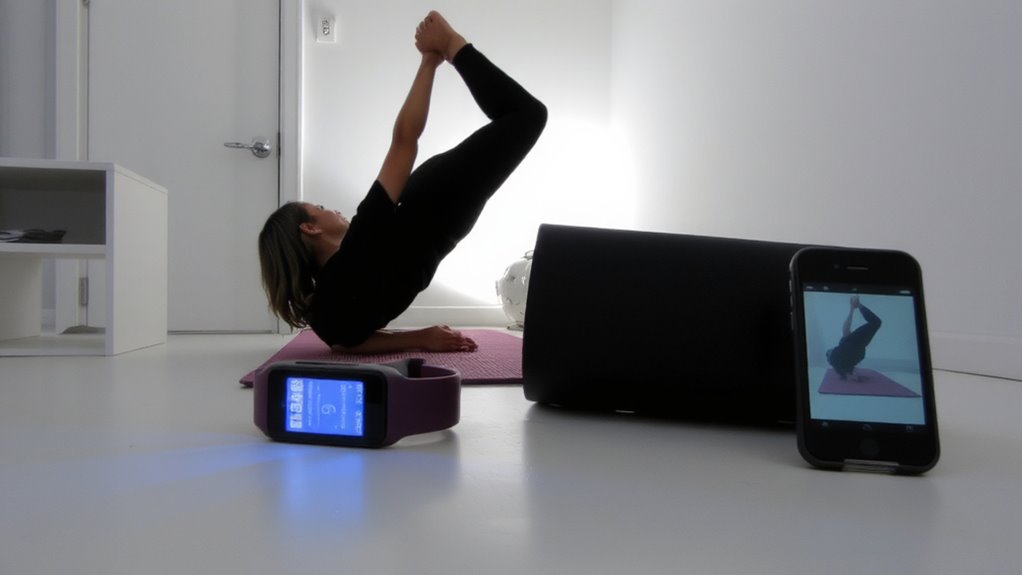
Sleep quality starts with knowing how much of your time in bed is actual rest. You can track this by calculating your sleep efficiency-time asleep divided by time in bed. Aim for 85% or higher. Wearables and sleep trackers can help, but check their accuracy: look for devices validated by sleep labs. Some offer detailed breakdowns of sleep stages, while others focus just on movement. Features like automatic sleep detection and long battery life improve usability. When you’re consistent with bedtime, your sleep efficiency usually improves. Bedtime consistency also supports better sleep quality over time. If you’re considering sleep aids, compare options carefully-check for trial periods or warranties. Performance varies, so test them over several nights. Don’t assume more data means better insights; focus on trends, not single-night numbers. This helps you decide whether to adjust habits or seek professional advice. For contact-free monitoring, consider non-wearable sleep trackers that use advanced sensors to detect breathing and movement.
Try These Morning Mobility Tests (And What’s Normal)
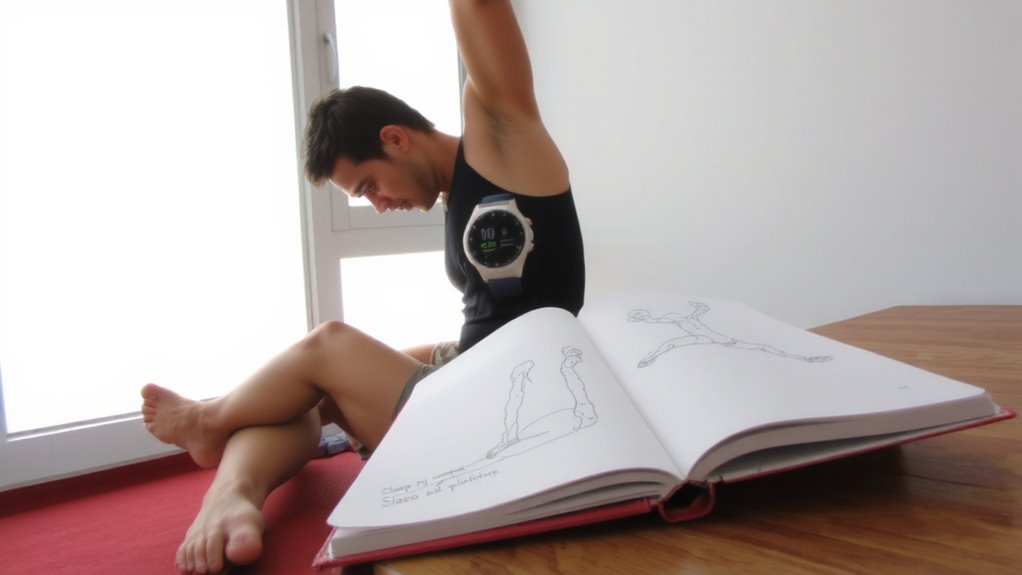
After tracking your sleep efficiency and building more consistent habits, it’s just as useful to check how well your body moves when you first wake up-this can reveal how rested you really are. Try a forward bend: reach for your toes while keeping knees straight. Limited reach may suggest tight hamstrings and low muscle elasticity. Next, rotate your shoulders fully-if stiffness slows you, your joint flexibility might be lagging. Do a deep squat, too; a smooth descent often reflects balanced mobility. Most people won’t be perfectly fluid first thing, but sharp pain or major restriction isn’t normal. These tests aren’t about perfection but recognizing patterns. Poor sleep can dampen recovery, affecting joint flexibility and muscle elasticity over time. Noticing consistent stiffness might prompt you to reevaluate sleep quality, consider undiagnosed sleep disorders, or explore whether sleep aids improve not just rest, but physical readiness.
See How Your Sleep Affects Mobility Each Day
How does your body feel when you first get up-stiff and slow, or relatively loose and ready? Your morning mobility often reflects your sleep quality the night before. When you sleep well, your body repairs tissues and reduces inflammation, which supports better joint flexibility. Poor sleep efficiency, even without full insomnia, can subtly limit your range of motion. Tracking sleep quality alongside simple mobility tests helps you spot patterns. For example, after nights with deep, uninterrupted rest, you might notice your shoulders or hips move more freely. Devices that monitor sleep stages or breathing patterns can highlight disruptions worth discussing with a doctor. Some sleep aids improve sleep quality but may leave grogginess, affecting morning movement. Trial periods on wearables or apps let you test what works, often with return options. Paying attention daily helps you make informed choices about habits, gear, or professional support.
How Poor Sleep Shows Up in Morning Stiffness
You might not realize how deeply rest shapes your morning movement until you feel that familiar tightness creep in after a restless night. Poor sleep quality often shows up as increased joint stiffness, limiting your range of motion when you first wake. During deep sleep, your body repairs tissues and reduces inflammation-skimp on rest, and those processes slow down. That means more stiffness, especially in areas like knees, hips, and shoulders. Studies link chronic low sleep quality with higher reports of joint discomfort upon waking. You may notice it takes longer to loosen up, or your usual stretches feel less effective. It’s not just about duration-sleep continuity matters too. Frequent awakenings can disrupt recovery just as much as short sleep. Tracking your sleep patterns alongside morning stiffness helps identify trends. This data can guide whether to adjust habits, explore sleep disorders, or consider sleep aids with care, always weighing effectiveness against potential side effects.
Turn Sleep and Mobility Data Into Better Recovery Habits
A closer look at your sleep and morning mobility patterns can reveal actionable insights for smarter recovery choices. When you track sleep quality alongside range-of-motion changes, you start seeing how rest impacts physical readiness. Poor sleep often correlates with tighter muscles and reduced flexibility, signaling the need to adjust your recovery habits. You might consider a sleep aid if restlessness persists, but check trial policies and warranty terms before buying. Look for devices or apps that offer detailed metrics, not just totals. Features like sleep staging or respiratory rate help pinpoint disruptions. A firm mattress may support spinal alignment, while a wearable could detect disturbances affecting sleep quality. Don’t guess-use your data to test solutions. Small shifts, like adjusting room temperature or setting a consistent bedtime, can improve both rest and mobility. Let evidence guide your decisions. For those at risk of pressure injuries, adding a mattress topper for bed sores can help distribute body weight more evenly and reduce pressure points during sleep.
Use Your Data to Boost Recovery Over Time
Even when sleep feels adequate, your tracked data might show otherwise, revealing subtle patterns that influence recovery. You can use sleep quality scores alongside morning range-of-motion results to spot trends over time. If you notice stiff mornings after low sleep efficiency, it’s a sign your body isn’t recovering well. Recovery tracking helps you connect these dots, guiding smarter choices about rest and activity. Maybe you try a sleep aid or adjust your bedtime, then monitor changes for a week. Look for improvements in both sleep quality and mobility. Devices with long trial periods let you test adjustments confidently, while warranties protect your investment. Don’t rush fixes-small, consistent changes often work best. Over weeks, this data-backed approach builds habits that support lasting recovery, letting you respond to your body’s real needs, not just how you feel in the moment.
On a final note
You can see how sleep efficiency impacts your morning mobility when you track both consistently. Poor sleep often shows up as stiffer joints and reduced range of motion. Use this data to adjust bedtime habits, evaluate sleep aids, or consider screening for sleep disorders. Most trackers offer trial periods, so test accuracy and comfort. Over time, small changes improve recovery-focus on patterns, not single readings, to make informed choices.