The Importance of Sleep Environment Optimization for Narcolepsy
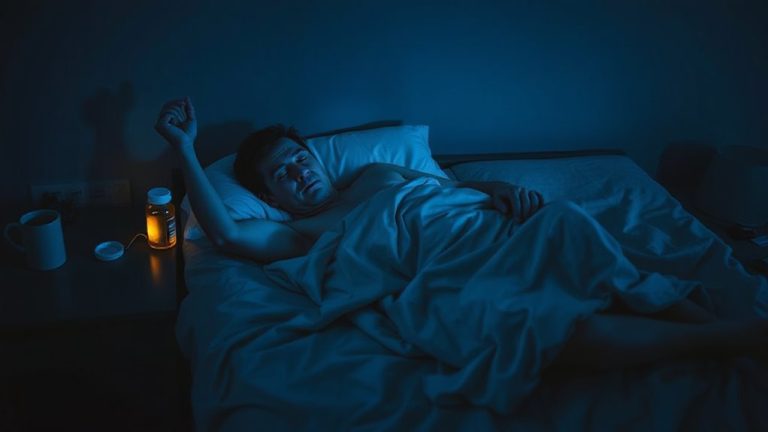
You need a well-optimized sleep environment to manage narcolepsy effectively. Keep your bedroom cool, ideally between 60–67°F, using breathable bedding and fans for steady airflow. Block light completely with blackout curtains or window film to support uninterrupted sleep cycles. Use white noise machines with adjustable frequencies to mask disruptive sounds. Choose a supportive mattress and layer blankets for comfort. Avoid phones and blue light before bed to protect melatonin levels-consistent cues like dim lights help signal sleep. Your setup can make a real difference, and there’s more to contemplate for lasting improvement.
Notable Insights
- A consistent, sleep-friendly environment helps stabilize sleep cycles in individuals with narcolepsy.
- Cool room temperatures (60–67°F) support better sleep onset and reduce nighttime awakenings.
- Total darkness using blackout solutions minimizes light disturbances that can disrupt fragile sleep.
- Noise control through sound masking promotes uninterrupted sleep despite sudden environmental sounds.
- Safe, comfortable bedding and clear pathways reduce injury risk during sleep-related episodes.
Why Narcolepsy Demands a Sleep-Friendly Environment
While narcolepsy isn’t caused by poor sleep habits, creating a sleep-friendly environment can make a real difference in how well you manage daily symptoms. You benefit from consistent rest, and your space should support both sleep safety and emotional comfort. A secure, predictable bedroom layout reduces injury risks during sleep shifts or unexpected episodes. Keep pathways clear, use bed rails if needed, and consider non-slip flooring. Emotional comfort comes from familiar, calming elements-soft lighting, soothing colors, and personal items that signal safety. Choose bedding that feels good and stays in place, since discomfort can disrupt fragile sleep. Noise control matters, too-try white noise machines or earplugs if sounds disturb you. These features aren’t luxuries; they’re practical upgrades. You’re not fixing narcolepsy, but you’re building a space that works with your needs, making rest easier, safer, and more consistent. For side sleepers, selecting supportive pillows like best bamboo pillows can enhance spinal alignment and comfort throughout the night.
Keep Your Bedroom Cool for Better Narcolepsy Sleep
A cool bedroom can make it easier to fall and stay asleep when you’re managing narcolepsy. Your body naturally lowers its temperature to initiate sleep, so keeping the room cool supports this process. Aim for a thermostat setting between 60–67°F (15–19°C), which helps regulate bed temperature and prevents nighttime awakenings. Breathable bedding materials, like cotton or moisture-wicking fabrics, improve airflow quality and keep you comfortable. Consider a fan or air purifier to maintain steady airflow without noise disruption. Some choose cooling mattress pads or temperature-regulating pillows, which often come with trial periods or warranties. These tools can adjust bed temperature precisely, offering better control. You might experiment with layers instead of heavy blankets to fine-tune warmth. Good airflow quality and consistent bed temperature reduce sleep disturbances and help you wake refreshed. Test small changes first to see what works best. Top-rated options include a cooling mattress protector that helps maintain a comfortable sleep surface throughout the night.
Make Your Room Completely Dark With Blackout Aids
If you’re dealing with narcolepsy, even small amounts of light in your bedroom can disrupt your ability to fall or stay asleep, so making your room completely dark is often worth considering. Blackout curtains with thick curtain lining block streetlights and early morning sun effectively. Look for ones labeled for light sealing-these have tightly woven fabric and overlapping panels that minimize gaps. Some include side tracks or velcro seals for better coverage. For extra darkness, pair them with aluminum foil-lined shades or interior shutters. Check the material’s construction; layered polyester or vinyl coating enhances performance. Most top models come with a trial period and limited warranty, so you can test them risk-free. You might also try blackout window film if you rent. The key is finding a balance between ease of use and total light sealing. A truly dark room supports more stable sleep cycles, which matters when managing narcolepsy. Consider starting with best light-blocking curtains for proven performance and customer satisfaction.
Control Noise With White Noise and Sound Machines
How well do you sleep when outside noise creeps in-traffic, a barking dog, or even household sounds? For people with narcolepsy, unexpected sounds can disrupt fragile sleep cycles. White noise and sound machines help by providing consistent background sound, reducing the contrast between sudden noises and silence. This process, called sound masking, makes it harder for disturbances to wake you. Look for machines with frequency tuning, so you can adjust tones to match your sensitivity-some prefer low rumbles, others soft rain or static. Quality models offer multiple settings, timer options, and adjustable volume for personalized use. Many have been tested in sleep labs and come with trial periods or warranties. If you’re unsure where to start, basic models work well for simple masking, while advanced ones allow precise control. A good sound machine supports steadier sleep without demanding perfect silence.
Choose a Supportive Mattress and Comfortable Bedding
Your comfort during sleep can hinge on the support your mattress provides and the feel of your bedding, especially when managing narcolepsy. Choosing the right mattress firmness helps maintain spinal alignment and reduces nighttime awakenings. Softer options may suit side sleepers, while firmer mattresses often work better for back or stomach sleepers. Pair this with breathable, hypoallergenic bedding materials like cotton, bamboo, or TENCEL to regulate temperature and minimize irritation.
| Feature | Benefit |
|---|---|
| Medium-firm foam | Balances support and pressure relief |
| Innerspring | Offers airflow and firm support |
| Memory foam | Contours to body, reduces motion transfer |
| Organic cotton | Soft, breathable, low-irritant bedding |
| 10-year warranty | Guarantees durability and trial confidence |
Prioritize construction, trial periods, and materials that support uninterrupted rest.
Banish Phones and Blue Light Before Bed
Though it might feel natural to scroll through your phone before bed, doing so can disrupt your sleep cycle, especially when you’re managing narcolepsy. Blue light from screens contributes to melatonin suppression, making it harder for your body to recognize when it’s time to rest. Your screen time-even just 30 minutes before bed-can delay sleep onset and reduce overall sleep quality. To minimize this, aim to stop using phones, tablets, or laptops at least an hour before bedtime. Consider switching to a traditional alarm clock so you won’t need your phone nearby. Features like night mode or blue light filters help somewhat, but they don’t fully prevent melatonin suppression. The most effective step is removing screens entirely during your wind-down period. Trial a week without evening screen time and track any improvements in alertness or sleep consistency.
Align Your Bedtime Routine With Your Sleep Environment
Since your bedroom is more than just a place to lie down, getting the most out of it means shaping both your habits and surroundings to support consistent, restful sleep-especially when managing narcolepsy. You can strengthen bedtime consistency by setting a fixed sleep and wake time, even on weekends. This trains your body to expect rest at the same time every night. Pair that schedule with deliberate relaxation cues-like dimming lights, using a white noise machine, or sipping caffeine-free tea-to signal your mind it’s time to wind down. These cues work best when used nightly in the same sequence. Keep your room cool, dark, and quiet to reinforce the message that your bed is for sleep only. Over time, this alignment improves sleep onset and quality, helping you manage daytime drowsiness more effectively.
On a final note
You can improve narcolepsy symptoms by shaping your sleep environment with care. A cool, dark, quiet room supports better rest, while blackout curtains and white noise machines help block disruptions. A supportive mattress and soft bedding enhance comfort. Cutting out phones and blue light before bed strengthens sleep cues. Match your routine to this setup for best results. Many products offer trials, so test what works.