Why You Might Be Sleeping Through Alarms: Deep Sleep Oversleeping
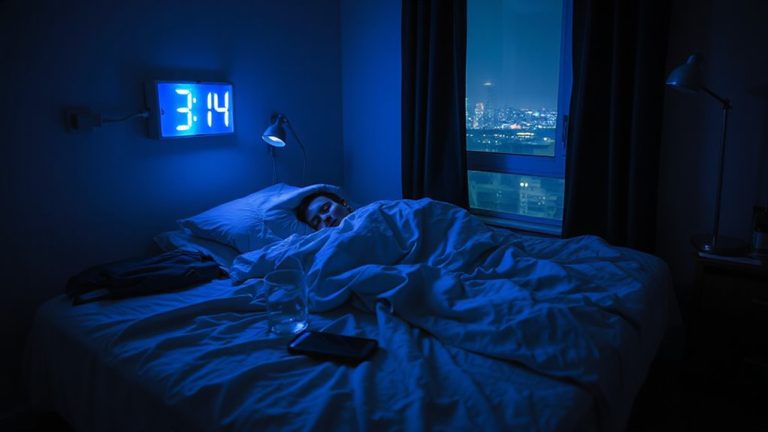
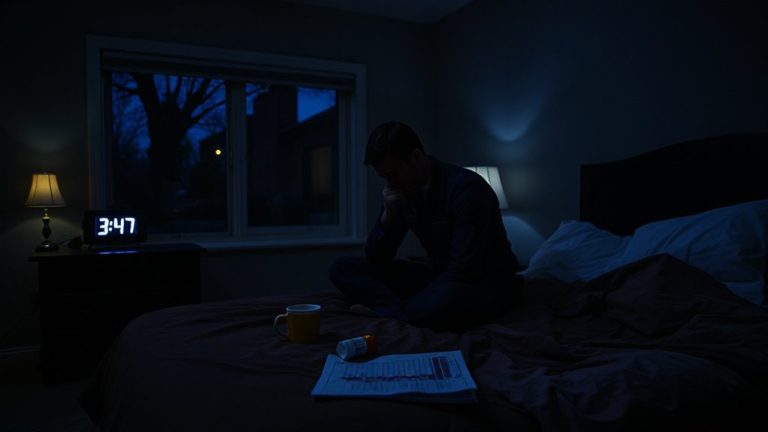
You might be sleeping through your alarm because it’s going off during deep sleep, when your brain isn’t responsive to sounds. This stage slows your awareness, making waking tough even with loud alarms. If your sleep cycles or schedule are off, you’re more likely to be in deep sleep at alarm time. Waking gradually during lighter sleep helps-some smart alarms track movement or use light to time alerts better. Many have trial periods or warranties to test effectiveness. Understanding your patterns can lead to better choices in habits or tools that work with your sleep. Solutions could be closer than you think.
Notable Insights
- Waking during deep sleep increases sleep inertia, making it harder to respond to alarms.
- Deep sleep features slow brain waves, reducing awareness of external sounds like alarms.
- Sleep cycles vary nightly, raising the chance of being in deep sleep when the alarm sounds.
- Irregular sleep schedules disrupt circadian rhythms, impairing natural wake-up mechanisms.
- Underlying sleep disorders like sleep apnea may cause unrefreshing sleep and alarm oversleeping.
Why You’re Not Waking Up: The Science of Oversleeping
What if your alarm isn’t the problem-what if it’s your sleep quality? You might be facing sleep inertia, that groggy state after waking that slows your reaction time and clouds your thinking. It’s worse when your sleep cycle gets interrupted, especially if you’re pulled from deep sleep abruptly. This often ties to circadian disruption, where your body’s internal clock is out of sync-say, from irregular sleep times or too much screen light at night. When your rhythm falters, waking becomes harder, no matter how loud the alarm. To reduce these effects, aim for consistent bed and wake times, even on weekends. Consider blackout curtains or a sunrise lamp to support natural rhythms. Some find low-dose melatonin helpful, but check with a doctor first. Track your patterns for a few weeks-you might spot triggers worth adjusting. Simple changes can improve alertness without needing strong sleep aids. A well-chosen alarm clock designed for heavy sleepers, like those with gradual sound or light features, can also make a difference-consider exploring the best alarm clocks for teens to find one that fits your routine.
How Deep Sleep Makes You Miss Your Alarm
You’re more likely to sleep through your alarm when your body is stuck in deep sleep, the stage where brain activity slows and arousal becomes harder. During this phase, your brain waves shift to slow delta patterns, making it tough for external sounds-like alarms-to register. That’s why even loud or repeated beeps might not wake you. Waking during deep sleep often causes sleep inertia, leaving you groggy and disoriented for minutes or longer. This mental fog can impair decision-making and reaction time. If this happens often, consider tracking your sleep cycles with a wearable or smart alarm app that wakes you during lighter stages. Some devices detect movement and brain wave patterns to time alerts more effectively. Check product warranties and trial periods before buying. Understanding your sleep stages helps you choose better tools and routines. For reliable options, explore the best sleep tracking devices based on expert testing and user feedback.
When Sleep Cycles Sabotage Your Alarm
Though your alarm is set for the same time each morning, your body might still be cycling through deep sleep when it goes off, causing you to miss it or wake feeling drained. Your sleep architecture-how you move through light, deep, and REM sleep-varies nightly. If your alarm hits during deep sleep, brainwave patterns are slow and steady, making awakenings harder. This mismatch between your internal cycles and your alarm time can reduce alertness, even if you get enough total sleep. Using a sleep tracker can help identify your personal cycle timing, allowing you to adjust bedtime or alarm placement with better precision. Some smart alarms detect movement or slight brainwave changes to wake you in lighter stages. Choosing one with reliable sensors, a clear display, and a 30-day trial can support an informed decision. Small adjustments, based on your body’s patterns, often improve wake-up success. Staying cool at night with best cool bed sheets can also promote more restful and consistent sleep cycles.
5 Signs You’re Sleeping Through Alarms (And Why)
How often do you hit snooze only to realize you didn’t even hear the alarm at all? If that’s common, you may be oversleeping due to deep sleep phases where external noise doesn’t register. You might not recall waking at all, which suggests your brain stayed in slow-wave sleep too long. Morning grogginess, confusion, or trouble focusing minutes after waking are signs of sleep inertia-your body resisting the shift from rest to alertness. This state can last much longer if interrupted mid-cycle. Some people adapt alarms with louder volumes or varying tones to overcome this. Others use wearable devices that vibrate gently before the alarm sounds. Testing different options, like gradual light exposure or smart alarms synced to lighter sleep stages, may help. Check warranty details and trial periods when trying new sleep aids, so you can switch if needed.
How Irregular Schedules Keep You in Deep Sleep
Even if you set multiple alarms, an irregular sleep schedule can keep your body locked in deep sleep when the alarm sounds, making it harder to wake up. Your brain expects rest at inconsistent times, causing circadian disruption, which throws off your body’s natural rhythm. When that happens, you’re more likely to be in a deep sleep phase during your alarm, increasing sleep inertia-the groggy, disoriented feeling that makes waking up tough. Without a consistent bedtime and wake time, your body never settles into a reliable sleep pattern. This increases the odds of oversleeping and missing important morning cues. Over time, circadian disruption can affect alertness, mood, and overall sleep quality. While sleep aids might seem helpful, they don’t fix the root issue. A steady schedule does. Consider tracking your sleep patterns to identify inconsistencies. Small, gradual adjustments can reduce deep sleep interference and improve morning responsiveness.
Better Sleep Habits to Hear Your Alarm
Since your sleep quality directly affects how easily you wake up, building better habits can make a real difference in whether you hear and respond to your alarm. Keep your sleep environment dark, cool, and quiet to help you cycle through sleep stages more naturally. Avoid screens at least 30 minutes before bed, as blue light can delay your ability to fall asleep. Set a consistent bedtime and wake-up time-even on weekends-to stabilize your internal clock. Pair that with a calming morning routine: open the blinds, stretch, or sip water to signal your body it’s time to rise. A predictable routine strengthens your brain’s response to alarms. Consider placing your alarm across the room to keep from hitting snooze. Small changes in habits and your sleep environment add up, improving your chances of waking when your alarm sounds.
When Oversleeping Means You Need Medical Help
You’ve made improvements to your routine-set a consistent bedtime, cut out screens before sleep, and moved your alarm across the room-yet you’re still hitting snooze or sleeping through it altogether. That could signal an underlying issue. Frequent oversleeping despite good habits may point to sleep disorders like sleep apnea or narcolepsy. These conditions disrupt sleep quality, leaving you groggy no matter how long you rest. If you wake unrefreshed, fall asleep during daily activities, or have irregular breathing at night, a medical evaluation is important. A doctor can review your sleep patterns, order tests if needed, and identify any treatable conditions. Recognizing these signs early improves outcomes. Don’t assume poor alarm response is just laziness-sometimes, it’s your body signaling for help. A proper diagnosis guides effective care, improving not just mornings but overall health.
On a final note
You might sleep through alarms because you’re in deep sleep when they ring, especially if your schedule is irregular. Aligning your wake time with lighter sleep phases helps. Consider using gradual alarms or wearables that track sleep cycles. If oversleeping persists, check for sleep disorders. Evaluate sleep aids or talk to a doctor, especially if tiredness continues. A consistent routine, proper sleep hygiene, and trial periods with devices can improve outcomes. Warranties on tech tools let you test options risk-free.