The Impact of Parental Inconsistency on Sleep Training Outcomes
When you switch between rocking, feeding, or letting your baby cry, your child gets mixed signals about how to fall asleep. Inconsistency disrupts their ability to form reliable sleep associations and confuses their internal clock. Science shows that predictable routines help regulate sleep cycles and support self-soothing. Sticking with one approach for at least 3–7 nights helps your baby adapt. Aligning with your partner on timing and methods strengthens results-keep going to see how small tweaks lead to lasting changes.
Notable Insights
- Inconsistent sleep training methods disrupt predictability, hindering a baby’s ability to form reliable sleep associations.
- Frequent technique switching confuses infants, leading to prolonged bedtime resistance and sleep onset difficulties.
- Mixed signals from caregivers create cognitive confusion, weakening the child’s circadian rhythm development.
- Parental misalignment, such as differing responses to crying, undermines progress and prolongs night awakenings.
- At least 3–7 nights of consistent routine are needed to assess effectiveness, as inconsistency often mimics method failure.
Is Your Baby’s Sleep Training Failing?
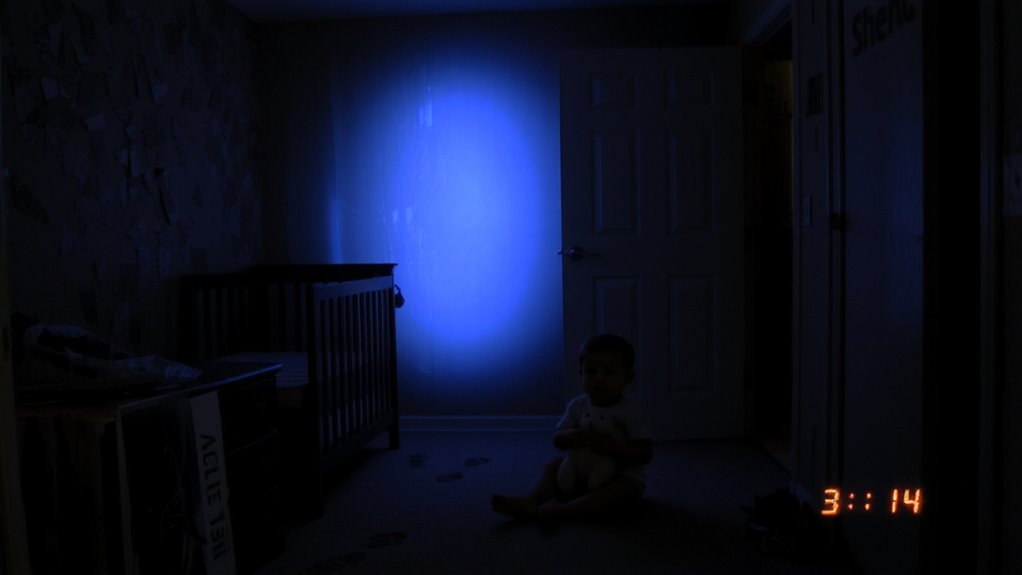
Why is your baby still waking up every few hours despite weeks of sleep training? You might be facing sleep regression, a common phase where even well-established sleep patterns temporarily unravel. It’s frustrating, especially when bedtime battles return with resistance, crying, or stalling. These setbacks don’t mean failure-many infants experience developmental shifts around 4, 8, or 18 months that disrupt sleep. You can adapt by reinforcing consistent cues like dim lights or a bedtime book, helping signal it’s time to wind down. Monitor sleep aids-some white noise machines or swaddles may help, but check safety ratings and usage guidelines. Trial small adjustments for a week before switching methods. Most sleep training methods include expected fluctuations, so track patterns before deciding on major changes. A predictable routine often outweighs short-term fixes, offering longer-term stability without over-reliance on props.
How Flip-Flopping Breaks Sleep Training Progress
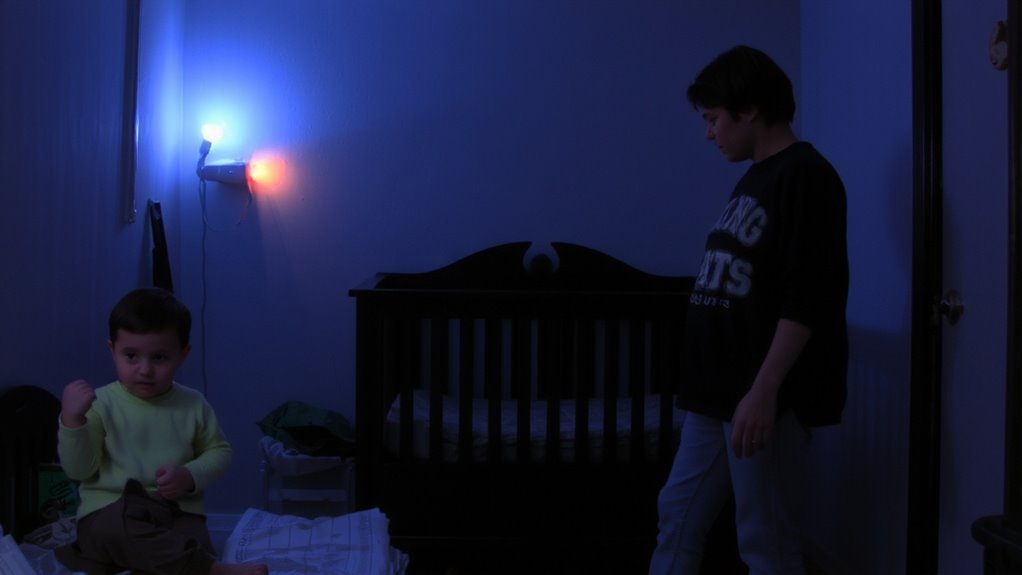
While you may feel tempted to switch methods when your baby cries or resists bedtime, changing your approach too often can weaken the consistency that sleep training depends on. Frequent shifts in technique lead to sleep sabotage, where progress stalls because your baby doesn’t learn what to expect. Without routine, even small variations can trigger bedtime chaos, making it harder for your child to settle. Consistency isn’t about perfection-it’s about repeating the same cues, timing, and responses so your baby builds reliable sleep associations. When you flip-flop between holding, rocking, or letting them cry, you disrupt the predictability needed for success. Think of sleep training like setting up a system: each piece relies on the other. If one part changes too soon, the whole structure wobbles. Stick with one method long enough to see results, typically 3–7 nights, before adjusting. This measured approach supports better outcomes.
Why Your Baby Gets Confused by Mixed Sleep Messages
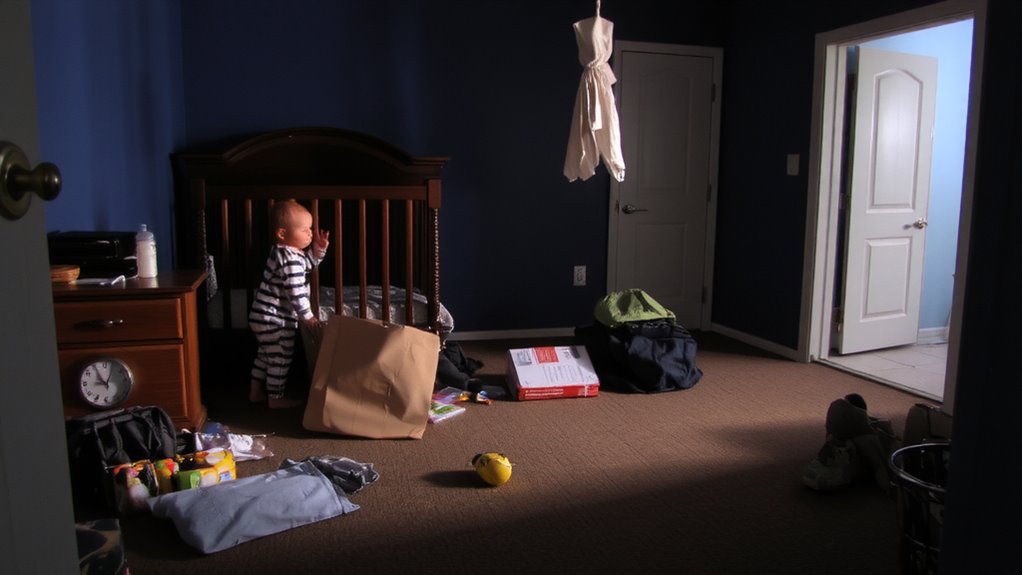
You’ve seen how shifting methods can slow progress, but now let’s look at what’s happening inside your baby’s mind when routines change. Your baby relies on predictability, and when you send mixed signals-like rocking sometimes but not others, or varying bedtime by hours-bedtime confusion takes root. Their developing brain can’t distinguish why sleep looks different two nights in a row. Is it time to rest or stay alert? When cues like feeding, lighting, or rocking aren’t consistent, your baby struggles to build reliable sleep associations. These mixed signals interfere with natural circadian development and make it harder to fall and stay asleep. Clear, repeated patterns help babies anticipate what’s next, reducing anxiety and promoting self-soothing. You don’t need perfect execution-just steady repetition of key cues like dim lights, consistent timing, and calming pre-sleep actions. That consistency builds trust in the routine, easing bedtime confusion over time.
What Science Says About Consistent Sleep Routines
Often, research shows that babies thrive on predictable sleep routines, and science backs this up. You help regulate their developing circadian rhythms when you keep bedtime and wake time consistent. These internal clocks respond best to regular cues like light, feeding times, and calming activities. Consistency also supports healthy sleep architecture, allowing babies to move smoothly through sleep cycles. Without it, they may struggle to fall or stay asleep, increasing the risk of sleep disturbances. Over time, predictable patterns make it easier for your baby to self-soothe and sleep longer stretches. Think of it like setting a reliable schedule for charging a device-the system works better when it’s steady. You don’t need fancy tools or sleep aids; what matters most is repetition and timing. Even minor daily variations can disrupt progress, so sticking to a routine builds trust in the process and improves outcomes without extra intervention.
How to Stay on the Same Page With Your Partner
If both of you are responding differently to your baby’s cries at night, it can confuse your little one and slow down progress in sleep training. Building co parenting trust starts with clear communication and shared priorities. Discuss sleep schedules, responses to crying, and bedtime routines ahead of time. Agree on methods and stick to them-even when it’s tough. Consistency helps your baby learn what to expect. Use this table to align your approach:
| Parent | Response to Crying | Bedtime Role |
|---|---|---|
| You | Wait 5 min, then soothe | Read story, pat back |
| Partner | Same as you | Turn on lullaby, adjust blanket |
| Shared | Avoid pickup unless ill | Both say goodnight |
Revisit your plan weekly. Adjust together, based on your baby’s sleep patterns. Shared priorities strengthen teamwork and improve outcomes.
Fixing Sleep Training When It Keeps Falling Apart
When sleep training starts unraveling despite your best efforts, it’s usually not the method that’s failing-it’s the execution. You might be skipping bedtime signals or letting the sleep environment drift from ideal conditions. A consistent room temperature, dark curtains, and white noise help signal it’s time to rest. Equally important are routines: a bath, book, or lullaby act as bedtime signals that cue your child’s brain to wind down. If progress stalls, review these elements first. Are you responding to cries too quickly-or too late? Consider how variations in your response confuse learning. Small lapses in timing or comfort choices can weaken results. Reassess your plan’s consistency, clarify roles with your partner, and make adjustments based on your child’s cues. Most methods work when applied steadily. Track changes over three to five nights before deciding what to tweak.
On a final note
You’ll see better sleep training results when routines stay predictable and both caregivers respond consistently. Mixed signals confuse your baby and slow progress. Stick to one method, communicate clearly with your partner, and give the plan time-most show improvement within two to four weeks. If problems continue, consider consulting a pediatric sleep specialist. Check product warranties if using sleep aids, and always prioritize safety-certified gear.