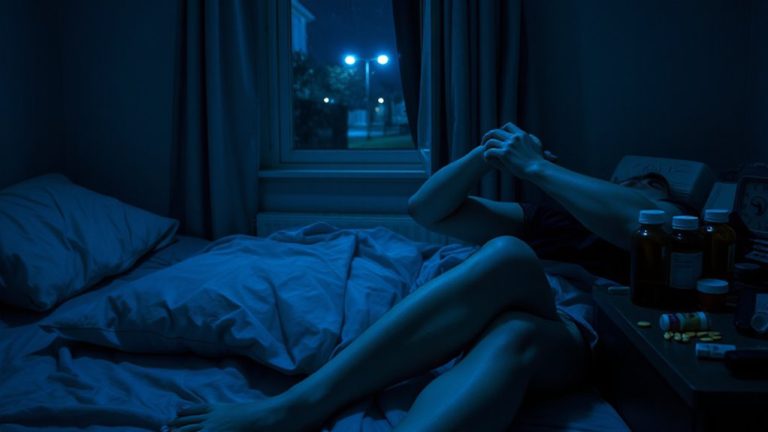
Mapping Sleep Environment Triggers Within a Full CBT-I Assessment
You’ll check light, noise, temperature, and comfort during a CBT-I sleep environment assessment. Dim or blue light from screens delays melatonin, so blackout curtains and night modes help. Steady noise masks disruptions-try white noise machines or earplugs. Your mattress should support spine alignment, with a pillow that fits your sleep position. Keep the room between 60–67°F and reduce clutter and allergens. Most fixes are low-cost and testable for a week, and making these adjustments could lead to even more helpful improvements.
Notable Insights
- Evaluate light exposure, especially blue light from screens, to support natural melatonin release and sleep onset.
- Assess noise levels and implement white noise or ear protection to maintain sleep continuity.
- Optimize bed comfort by ensuring proper mattress support and pillow alignment for sleep posture.
- Identify hidden triggers like clutter, poor air quality, or disruptive scents that impede relaxation.
- Test environmental adjustments for at least one week to measure impact within CBT-I treatment progress.
What a CBT-I Sleep Environment Assessment Includes
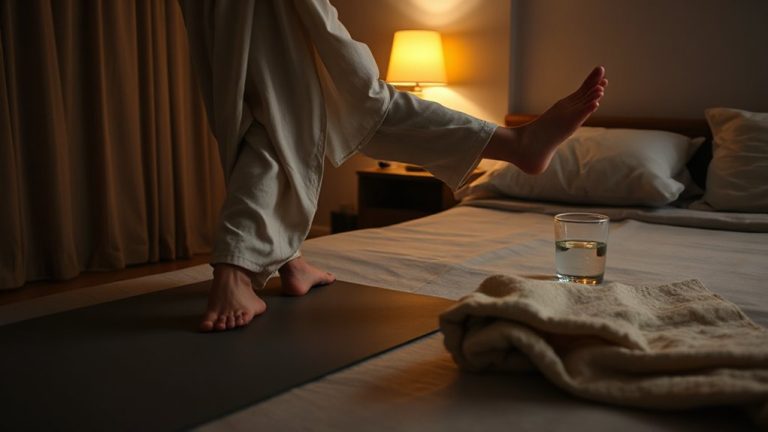
A sleep environment assessment in CBT-I starts with a close look at your bedroom setup and habits-things like light, noise, temperature, and even your bed’s comfort all play a role in how well you sleep. You’ll consider scent preferences, since calming aromas like lavender may support relaxation, while strong or artificial scents could disrupt your wind-down routine. Technology placement matters just as much; keeping phones, tablets, and TVs out of reach or out of the room reduces mental stimulation and limits nighttime disruptions. Your mattress and pillow should support your sleep position, staying cool and comfortable through the night. You’ll track how these factors affect your sleep onset and continuity. Small adjustments-like lowering the thermostat or using a white noise machine-can improve conditions without medication. These changes are reversible, low-risk, and worth testing for at least a week to see what works best for you. For those using a CPAP machine, ensuring uninterrupted power during sleep is critical, and a reliable portable power station can support consistent therapy, especially during travel or power outages.
How Light Affects Your Sleep Environment (And How to Fix It)
Why does something as simple as light have such a big impact on how well you sleep? Your brain relies on darkness to signal melatonin release, the hormone that prepares your body for rest. Exposure to light-especially blue light from screens-can delay this process, making it harder to fall asleep. Even small amounts of ambient light in your room can disrupt your sleep cycle over time. To reduce this, consider using blackout curtains, which block outside light sources like streetlights or early morning sun. They’re often made with dense, layered fabric and fit snugly around window frames. You might also limit screen use an hour before bed or enable blue light filters on devices. These changes don’t require medication or major lifestyle shifts, and many people notice improvements within a few nights. Simple environmental tweaks can support lasting sleep quality when used consistently. For those seeking stronger interventions, best light therapy picks can help regulate circadian rhythms through controlled light exposure.
Why Noise Control Matters for Insomnia Recovery
Even if you’ve already adjusted your lighting, ongoing noise exposure might still be undermining your sleep without you realizing it. Sudden or inconsistent sounds-like traffic, neighbors, or household appliances-can disrupt sleep cycles, making it harder to stay asleep or return to sleep after waking. Your brain stays alert to environmental changes, even during light sleep, so sound control is key in insomnia recovery. Using white noise machines can mask unpredictable sounds with a steady, soothing background tone. They’re portable, often come with adjustable volume and tone settings, and some offer free trial periods or warranties. Ear protection, like soft silicone earplugs, is another practical option. It reduces sound intensity but may take a few nights to get used to. For best results, test different types of white noise or ear protection for a week each to compare comfort and effectiveness. Both options support better sleep consistency. A high-quality white noise machine can significantly improve sound masking and sleep quality.
Comfort Check: Bed, Pillow, and Temperature
If you’ve tackled light and noise but still feel unrested, it might be time to check your bed, pillow, and room temperature-three core elements that shape physical comfort and sleep quality. Bed quality matters more than you think; a worn or unsupportive mattress can disrupt spine alignment and lead to tossing and turning. Look for models with at least a 10-year warranty and consider foam, hybrid, or innerspring designs based on your sleeping position. Pillow support is just as critical-your neck should stay neutral whether you’re on your back, side, or stomach. Memory foam, latex, or adjustable fill pillows can help maintain that alignment. Room temperature also plays a key role; most people sleep best in a space between 60–67°F. Try adjusting bedding layers or using breathable materials to keep cool. Test changes over a few nights to judge real impact.
Spot the Hidden Sleep Saboteurs in Your Bedroom
What’s lurking in your bedroom might be costing you more rest than you realize. Poor air quality can disrupt breathing and worsen sleep disorders, especially if allergens or pollutants are present. Using an air purifier or opening a window briefly before bed may help improve airflow and reduce irritation. High clutter levels aren’t just distracting-they can increase mental tension, making it harder to unwind. A tidy space supports a clearer mind, which responds better to CBT-I strategies. Consider removing excess items and designating storage to manage clutter levels long-term. These changes don’t require expensive sleep aids but do support better sleep performance. Simple adjustments to your environment-like checking ventilation or decluttering nightstands-can make a measurable difference over time. Trial small fixes first; many have no cost and can be evaluated within a few nights.
On a final note
You now see how light, noise, temperature, and comfort affect your sleep environment. A well-assessed bedroom supports better sleep hygiene and strengthens CBT-I outcomes. Small, strategic changes-like blackout curtains or a cooler room-can improve sleep quality without costly aids. Consider trying adjustments for two weeks to gauge results. Look for reversible solutions with trial periods, so you can adapt wisely based on what your sleep patterns show.