The Importance of Bedtime Snacks for Blood Sugar Stability
You can help stabilize your blood sugar overnight by choosing a balanced bedtime snack. Hormonal shifts during sleep, like the dawn phenomenon, may spike morning glucose, but a small mix of protein, healthy fats, and fiber slows digestion and prevents sharp drops. Eating 30 to 60 minutes before bed supports steady release, especially if you exercise in the evening or have a history of nighttime lows. The right snack reduces metabolic strain and improves sleep quality-there’s more to discover about tailoring choices to your needs.
Notable Insights
- Bedtime snacks help prevent morning glucose spikes by counteracting the dawn phenomenon.
- Protein-rich snacks like Greek yogurt support steady overnight blood sugar levels.
- Healthy fats such as almond butter slow digestion, reducing nighttime glucose fluctuations.
- Fiber from whole grains or fruits delays sugar absorption for sustained glucose control.
- Eating a snack 30–60 minutes before bed optimizes metabolic stability during sleep.
Why Keeping Blood Sugar Stable Overnight Matters

What happens to your blood sugar while you sleep? It shifts due to natural bodily processes, including hormonal nocturnal fluctuations like the dawn phenomenon, which can raise glucose levels early in the morning. When you go too long without eating, especially if you’re on insulin or certain medications, nighttime hypoglycemia risks increase-your levels may drop dangerously low. This is more likely if you exercised in the evening or drank alcohol. Symptoms like sweating, nightmares, or restlessness might wake you, but sometimes drops go unnoticed, raising concern over undetected lows. Stable glucose overnight supports uninterrupted sleep and reduces strain on metabolic systems. Monitoring trends helps assess whether adjustments in medication, bedtime routines, or sleep aids are needed. Understanding these patterns allows smarter choices about sleep timing, environment, and when to seek medical guidance-giving you better control without overstepping into unproven solutions.
How a Bedtime Snack Prevents Morning Glucose Spikes
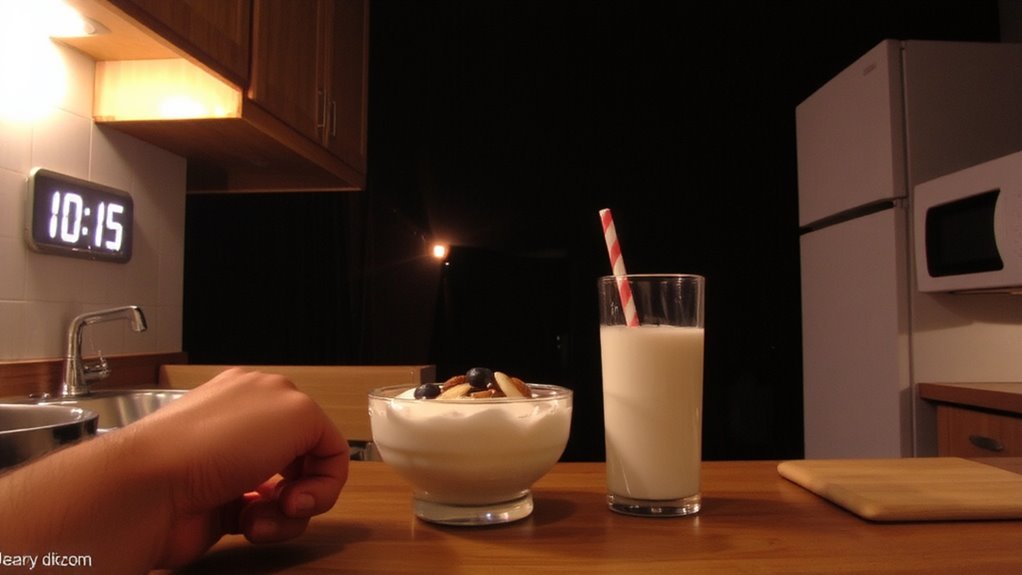
You’ve likely noticed how morning glucose readings can surprise you, even after a night of careful eating and routine. That spike isn’t random-it’s often tied to hormonal fluctuations during sleep, especially the dawn phenomenon, when your body releases cortisol and growth hormone. These changes increase insulin resistance, making it harder for glucose to enter cells. A well-chosen bedtime snack helps buffer this by maintaining steady glucose levels overnight. When your liver doesn’t have to release as much stored glucose, the impact of insulin resistance is reduced. This means less strain on your system when hormonal fluctuations peak in the early morning. You’re not adding calories without purpose; you’re supporting metabolic balance. Think of it as preventive support-like setting a thermostat before the temperature shifts. It’s a small step, but it can smooth out your glucose curve by morning, giving you more predictable control without relying on sleep aids or major lifestyle shifts.
What Macronutrients Prevent Nighttime Blood Sugar Drops?
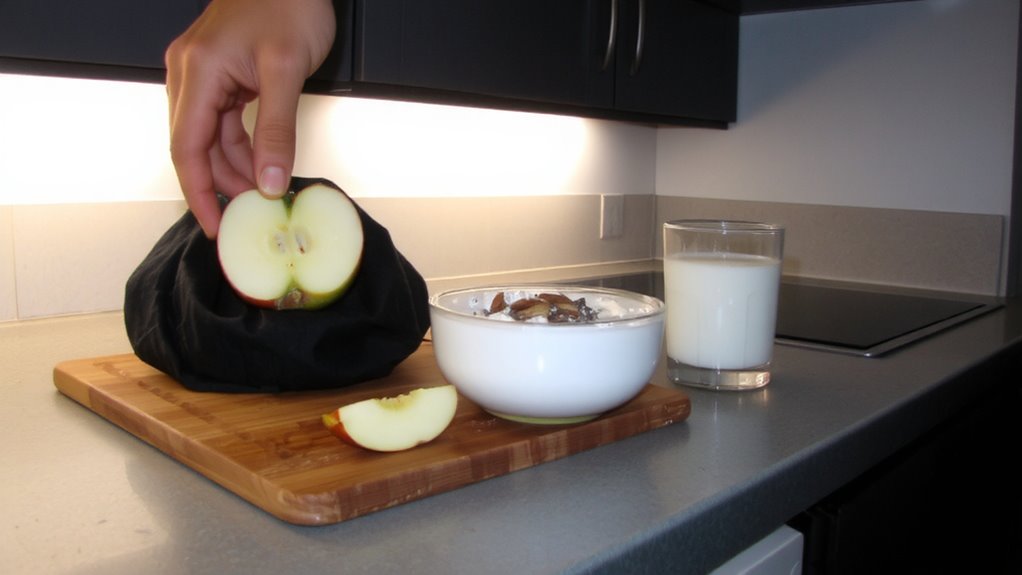
A balanced mix of protein, healthy fats, and fiber-rich carbohydrates works quietly through the night to keep your blood sugar from dipping too low. Your protein intake slows digestion and provides steady amino acids, helping maintain glucose levels without spikes. Think cottage cheese, Greek yogurt, or a small handful of nuts-these offer high-quality protein that sustains overnight. The fat composition matters too; opt for unsaturated fats like those in avocado or almond butter, which delay gastric emptying and smooth out energy release. Fiber-rich carbs, such as apples or whole grain crackers, add volume and slow sugar absorption. Together, these macronutrients support metabolic balance and reduce the risk of waking due to glucose dips. You don’t need large portions-a small, thoughtful snack does the job. Choosing the right mix can make a difference in how you feel upon waking.
When to Eat a Bedtime Snack for Best Results
How soon before bed should you eat to keep your blood sugar steady through the night? The ideal timing is about 30 to 60 minutes before sleep. This window supports your metabolic rhythm by giving your body enough time to digest without disrupting sleep onset. Eating too close to bedtime may cause discomfort, while eating too early might not sustain glucose levels through the night.
| Bedtime | Snack Time | Effect on Blood Sugar |
|---|---|---|
| 10:00 PM | 9:00–9:30 PM | Smooth overnight stabilization |
| 11:00 PM | 10:00–10:30 PM | Balanced release during sleep |
| 9:30 PM | 8:45–9:00 PM | Prevents late-night dips |
Aligning your snack with your natural metabolic rhythm enhances glucose control. The ideal timing fits your routine while supporting steady energy. Try different windows to see what works best for your sleep and blood sugar patterns.
Top 5 Bedtime Snacks for Steady Blood Sugar
Pairing the right nutrients before bed can help maintain stable blood sugar levels through the night, reducing the chance of waking from a glucose dip or spike. You’ll want snacks with a low glycemic index and balanced macros. Try Greek yogurt with a sprinkle of chia seeds-it’s high in protein and healthy fats, and the chia helps slow glucose release. A small apple with almond butter offers fiber and fat, supporting steady levels. Hard-boiled eggs are convenient and rich in protein. A slice of whole-grain toast with avocado gives complex carbs and heart-healthy fats. Casein protein pudding made with unsweetened almond milk is another slow-digesting option. Always practice portion control to avoid overloading your system. These choices support restful sleep by preventing nighttime glucose swings without disruption.
Who Should Eat a Bedtime Snack for Blood Sugar Control?
You might already know which snacks work best before bed, but figuring out whether you should eat one at all depends on your unique health needs. If you have type 2 diabetes or insulin resistance, a bedtime snack can help prevent nighttime drops or spikes. Hormonal fluctuations overnight, like the dawn phenomenon, often raise blood sugar early in the morning, and a small snack may counterbalance that. Your medication timing also plays a key role-those on insulin or sulfonylureas may benefit more, especially if doses peak during the night. If you’re active in the evening or skip dinner late, a snack adds stability. But if your glucose levels stay steady, it might not be necessary. Consider your sleep patterns and overall routine. Monitoring levels before bed and upon waking can guide your choice without guesswork.
On a final note
You might find a small bedtime snack helps keep your blood sugar steady overnight, especially if you’re prone to morning spikes or drops. Choosing the right mix of protein, fat, and fiber slows digestion and supports balance. Timing it 30 to 60 minutes before bed usually works best. Consider trying options like Greek yogurt or a handful of nuts, and monitor how you feel. It’s worth a few nights of trial to see what supports your sleep and glucose levels most effectively.