How to Use a Sleep Journal to Identify Patterns Linking Poor Sleep and Musculoskeletal Flare-Ups
Track your sleep and pain daily using a journal with dedicated sections for bedtime, wake time, and pain levels on a 1–10 scale. Record environmental factors, stress, and activity to spot patterns linking poor sleep to flare-ups. Look for trends like delayed sleep onset or frequent waking before increased pain. Use consistent entries to guide discussions with your provider about sleep aids or adjustments-small changes can make a difference over time.
Notable Insights
- Track daily sleep duration and quality alongside pain levels using a consistent 1–10 scale.
- Record musculoskeletal flare-up locations and severity to identify patterns with poor sleep nights.
- Note environmental factors like room temperature, noise, and screen use before bed.
- Log stress levels and daytime activities that may affect sleep and trigger flare-ups.
- Review two to three weeks of journal data to spot trends between sleep disruptions and increased pain.
Understand How Poor Sleep Worsens Pain
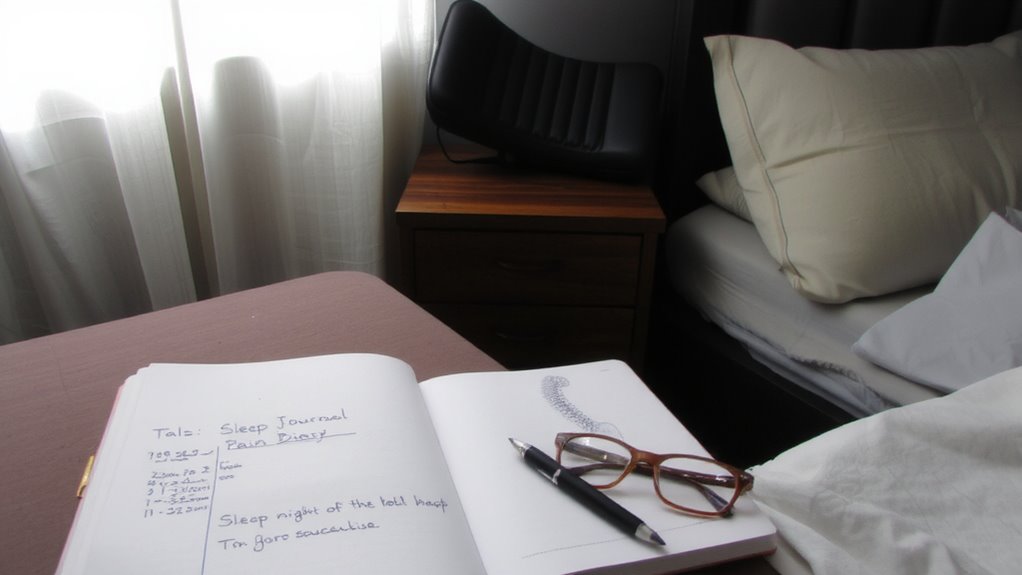
Even though you might not notice it right away, poor sleep can make existing muscle and joint pain feel worse over time. Low sleep quality reduces your body’s ability to manage inflammation and repair tissue overnight. When you’re not getting deep, restorative rest, your pain sensitivity increases, making once-manageable discomfort feel sharper or more constant. This cycle can lead to more frequent flare-ups, especially if sleep problems persist. You don’t need a diagnosis to start improving-small changes like adjusting room temperature, limiting screen time before bed, or trying supportive pillows may help. Over-the-counter sleep aids or melatonin might provide short-term relief, but long-term use requires checking with a healthcare provider. Focus on consistent habits first. Good sleep hygiene often offers the most sustainable improvement in both rest and pain levels.
Pick a Sleep Journal That Tracks Pain and Sleep
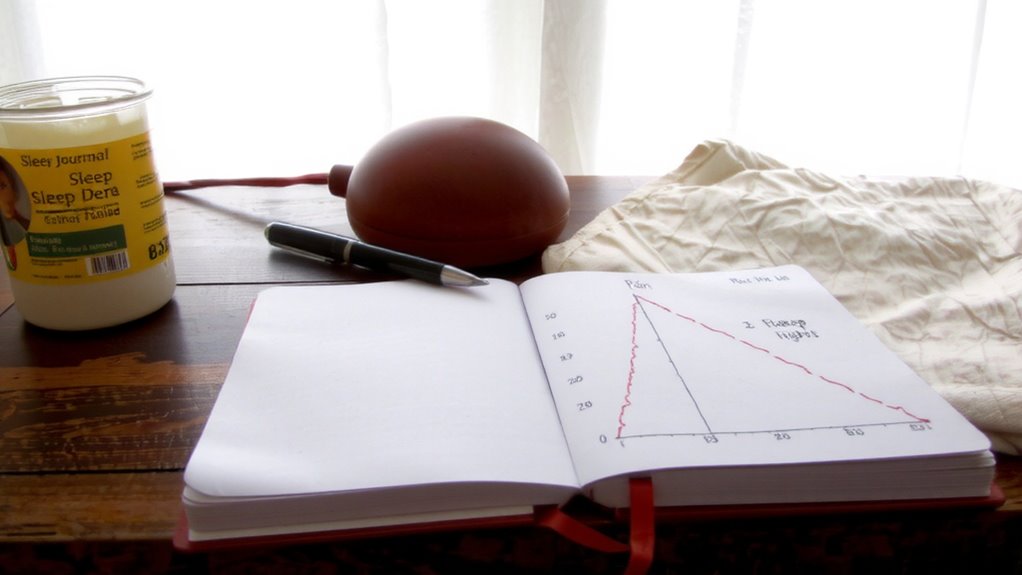
While choosing the right sleep journal might seem minor, it can make a real difference when you’re tracking how pain and rest affect each other. Look for one designed with both sleep tracking and pain monitoring in mind. These journals often include dedicated spaces for rating discomfort, noting flare-up locations, and recording sleep quality. Some have structured grids, while others use prompts to guide nightly entries. Digital apps may offer reminders and trend graphs, but paper versions let you avoid screen time before bed. Choose a format that fits your routine-consistency matters most. Check if the journal allows space for notes on medications or sleep aids, as these can influence both pain and rest. Journals focused on chronic pain often include sections for triggers, mood, or activity level. A few even come with trial periods or satisfaction guarantees. Picking the right tool helps you gather clearer data over time.
Record Bedtime, Wake Time, and Pain Levels Daily
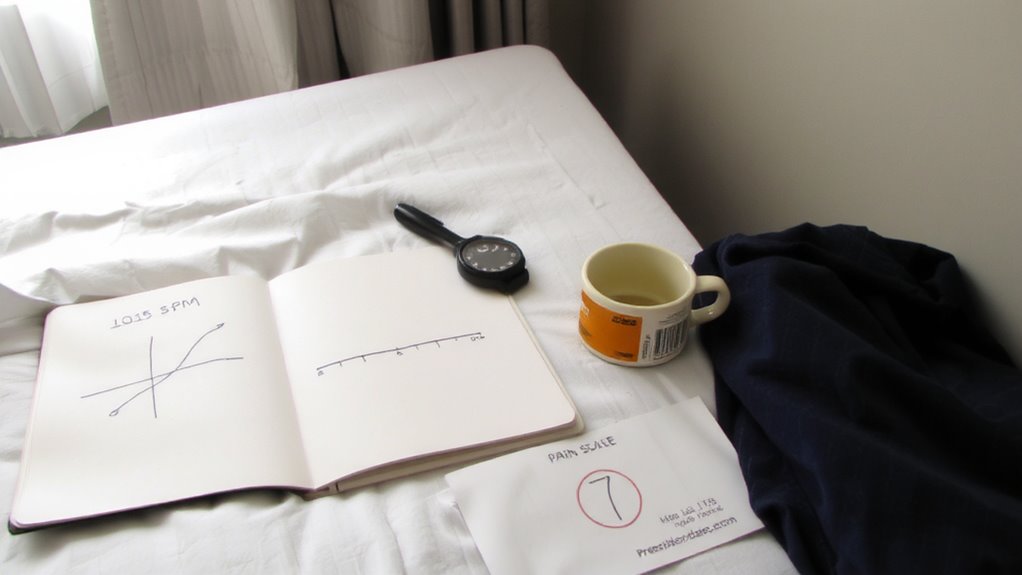
Consistency is key when tracking your sleep and pain patterns, and it starts with recording your bedtime, wake time, and pain levels every single day. Logging this data helps you assess how your sleep environment and stress factors affect rest and discomfort. Use your journal each morning and night to stay accurate.
| Day | Bedtime | Pain Level (1–10) |
|---|---|---|
| Mon | 10:30 PM | 3 |
| Tue | 11:15 PM | 5 |
| Wed | 10:45 PM | 4 |
| Thu | 12:00 AM | 6 |
Note changes like noise, room temperature, or daily stress factors that might impact sleep quality. A stable sleep environment supports better rest. Over time, these daily entries reveal trends useful for discussing sleep aids or adjustments with your healthcare provider. Track faithfully, and you’ll gather meaningful insights into your sleep and joint health.
Find Links Between Sleep Loss and Flare-Ups
When you miss out on enough rest, your body may respond with increased sensitivity to pain, making flare-ups more likely. Poor sleep quality often ties to issues in your sleep environment-like noise, light, or an uncomfortable mattress-that disrupt rest. Over time, these disruptions can weaken your body’s ability to manage inflammation. Common stress triggers, like work pressure or emotional strain, also affect sleep and may set off flare-ups. By comparing your journal entries, you can spot patterns between restless nights and symptom increases. Look for repeated delays in falling asleep or frequent waking. Noting these details helps you assess whether improving your sleep environment or managing stress triggers could support better rest. You’re not diagnosing-just gathering practical insights to inform small, thoughtful changes that may reduce flare-up frequency. A supportive sleep setup, including the right best bed frames for Casper mattress, can make a significant difference in sleep quality.
Use Your Journal to Reduce Pain
Because tracking your sleep patterns gives you clearer insight into how rest affects your pain levels, you can start making informed choices about the habits and tools that influence your nightly rest. When your journal shows poor sleep followed by increased discomfort, consider adding mindfulness techniques before bed-like deep breathing or body scans-to quiet your nervous system. These methods are easy to learn and often come with free guided versions online, so you can trial them without cost. You might also note how gentle stretching in the evening affects stiffness or soreness; even ten minutes can improve circulation and ease tension. Look for patterns over two to three weeks before deciding if changes help. If sleep stays disrupted, discuss options like sleep aids or therapy with your provider. Your journal becomes a practical record to guide those conversations thoughtfully and clearly.
On a final note
You’ll start seeing patterns after a few weeks of consistent journaling. Use this data to adjust sleep habits, like setting a regular bedtime or reducing screen use. If poor sleep and flare-ups keep linking, talk to your doctor about sleep disorders or safe sleep aids. Review your journal together, focusing on timing, pain triggers, and rest quality. A trial of small changes, backed by your records, can guide effective, personalized steps to better rest and less pain.