How to Use Skullcap for Sleep in People With Bipolar Disorder
You can try skullcap for sleep if you have bipolar disorder, but only with your doctor’s approval. It may help calm your mind, yet it can interact with medications like lithium or quetiapine, increasing drowsiness. Use a trusted capsule or tincture form of *Scutellaria lateriflora* to avoid risks. Start with a low dose-500 mg or 1–2 mL-30 to 60 minutes before bed. Watch for side effects like drowsiness or mood shifts. There’s more to evaluate about timing, safety, and long-term use.
Notable Insights
- Skullcap may support sleep in bipolar disorder but lacks strong evidence and requires caution.
- Use standardized *Scutellaria lateriflora* extracts or tinctures from verified, contaminant-free sources for safety.
- Start with 500 mg capsule or 1–2 mL tincture 30–60 minutes before bedtime.
- Avoid skullcap with lithium, valproate, quetiapine, or SSRIs due to sedation or interaction risks.
- Consult a care team before use, especially with liver issues, pregnancy, or medication regimens.
Is Skullcap Safe for Bipolar Disorder?
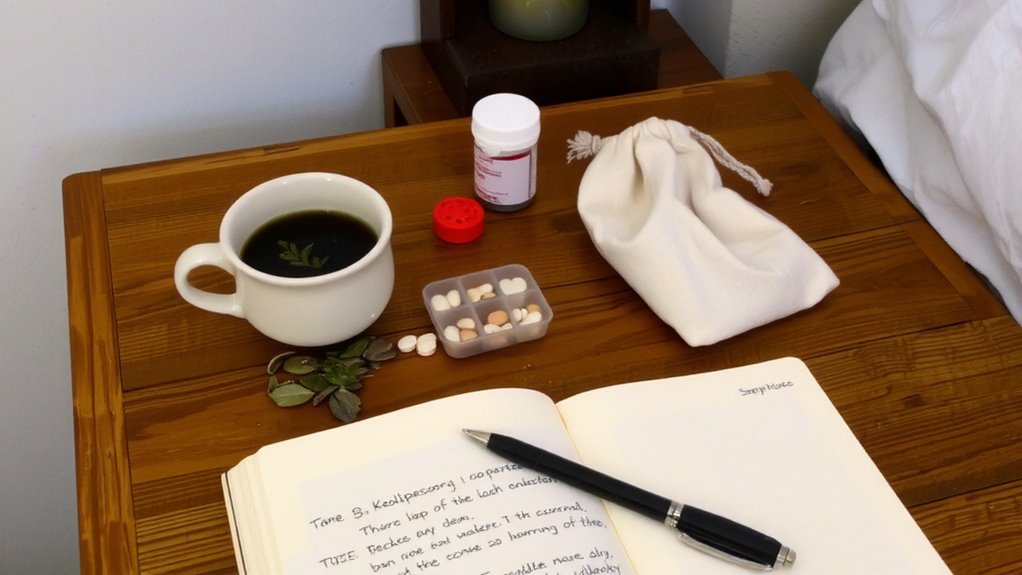
Could something as simple as an herbal supplement really help with sleep in bipolar disorder-without making symptoms worse? Skull Co. may offer mild support for sleep, but you’ll want to evaluate mood stabilization carefully. While some find it calming, research on its effects in bipolar disorder is limited. Herb safety becomes especially important since certain botanicals can trigger mood shifts or interfere with stability. Skullcap isn’t proven to cause mania, but without strong evidence, caution is wise. You should treat it like any unproven sleep aid-start low, monitor closely, and track changes in sleep and mood. Think of it as a potential short-term trial, not a long-term fix. Always discuss trying skullcap with your care team to weigh benefits against risks. Your safety and stability come first. Top herbal supplements are often evaluated for both benefits and risks in sensitive populations.
How Skullcap Interacts With Bipolar Medications

What happens when you mix skullcap with bipolar medications? You could face unexpected drug interactions, especially because skullcap has sedative effects that might amplify certain prescriptions. This can deepen drowsiness or alter how your meds work, particularly with mood stabilizers or antipsychotics. It’s key to evaluate these overlaps carefully.
| Medication Type | Possible Interaction | Effect to Monitor |
|---|---|---|
| Lithium | Increased sedation | Dizziness, fatigue |
| Valproate | Enhanced CNS depression | Slowed coordination |
| Quetiapine | Amplified sedative effects | Excessive sleepiness |
| Lamotrigine | Minimal known interaction | General alertness |
| SSRIs/SNRIs | Potential serotonin risk | Mood shifts, restlessness |
Tracking your response helps manage risks while exploring natural sleep aids alongside treatment.
Choosing the Safest Skullcap Form for Bipolar Disorder
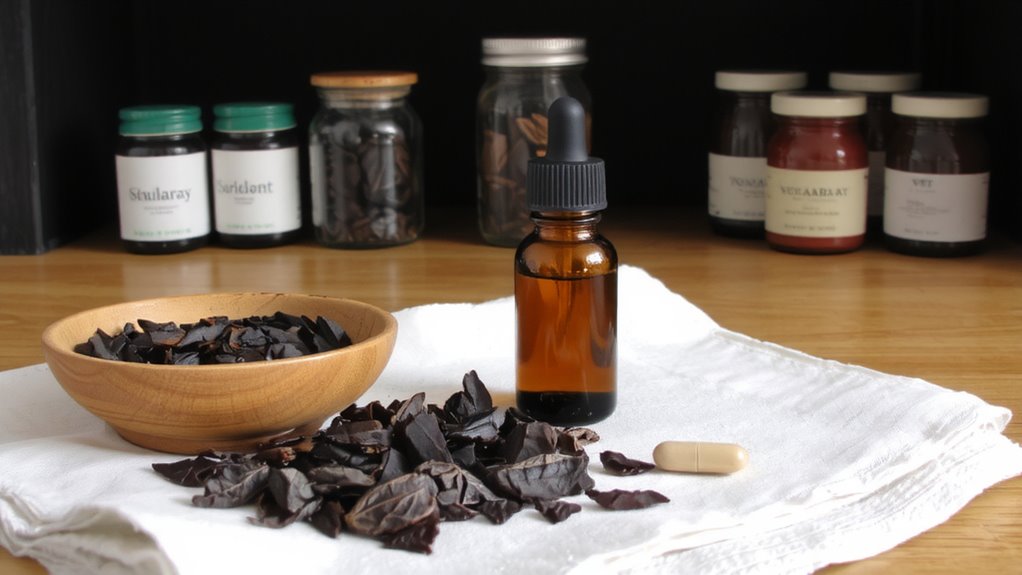
Now that you’ve considered how skullcap might affect your current bipolar medications, it’s time to focus on finding the right form of the herb for your needs. You’ll want to choose a form that guarantees consistent skullcap dosage and safe skullcap sourcing. Standardized extracts in capsule or tincture form often provide more reliable strength than loose-leaf tea, which can vary in potency. Tinctures allow for adjustable dosing, but make sure they’re made from verified, contaminant-free plants. Look for brands that test for purity and list sourcing details on the label. Powders and teas can work, but may pose risks if not properly identified-some plants mimic skullcap but aren’t safe. Always confirm the species is *Scutellaria lateriflora*. Starting with a low-dose form helps assess tolerance. Quality matters as much as form, especially when managing sleep without disrupting mood stability.
When and How Much Skullcap to Take for Sleep
How well you time and dose skullcap can make a real difference in both sleep quality and mood balance, especially with bipolar disorder. For best results, take skullcap about 30 to 60 minutes before bed to support dosage timing that aligns with your natural sleep cycle. Most adults start with 500 mg of dried herb in capsule form or 1–2 mL of liquid extract. Since supplement forms vary-like teas, tinctures, and capsules-effectiveness can depend on how quickly your body absorbs the active compounds. Tinctures may act faster, while capsules offer consistent dosing. Start low and adjust gradually, observing how your sleep and mood respond over several nights. Always follow product instructions, as potency differs between brands. Recording your routine helps track what works. This practical approach lets you fine-tune skullcap use without sudden changes, supporting steadier sleep onset and maintenance over time.
Who Should Avoid Skullcap (And When to Talk to Your Doctor)
While skullcap may help support sleep in some people with bipolar disorder, you should avoid it if you’re pregnant, nursing, or have liver disease, since safety in these cases hasn’t been well established. Pregnancy concerns and liver health are key reasons to proceed with caution. You should also talk to your doctor before using skullcap if you’re on sedatives, anticonvulsants, or mood stabilizers, as it may interact with these medications.
| Condition | Recommendation |
|---|---|
| Pregnancy concerns | Avoid use |
| Liver health issues | Avoid use |
| Taking psychiatric meds | Consult doctor |
| Daytime drowsiness | Monitor response |
| History of herb allergies | Proceed cautiously |
Listen to your body, start low, go slow, and always prioritize professional guidance when combining natural sleep aids with existing treatments.
On a final note
Skullcap may help improve sleep, but if you have bipolar disorder, you’ll want to use it cautiously. It can interact with medications like mood stabilizers or sedatives, possibly affecting their strength or side effects. Always talk to your doctor before trying it. If approved, start with a low dose of a standardized extract, taken 30–60 minutes before bed. Monitor your mood and sleep closely. Discontinue use if you notice mood shifts.