How to Prevent Relapse After Successfully Treating Delayed Sleep Phase Disorder
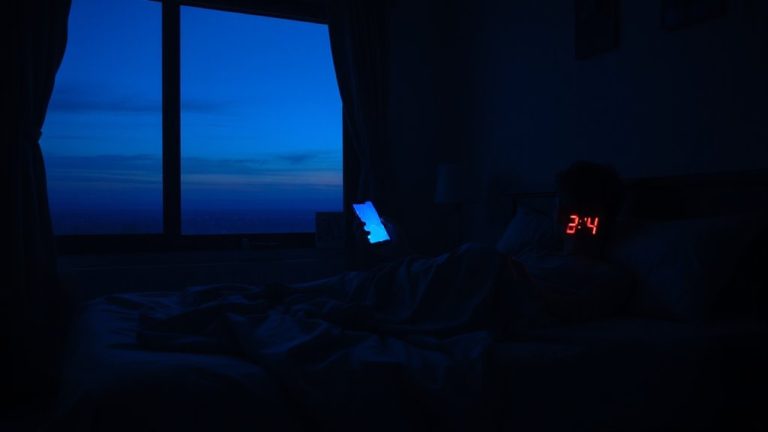
Stick to the same wake-up time every day, even on weekends, keeping differences under 30 minutes. Get bright light exposure within an hour of waking-morning sunlight or a 10,000 lux lamp helps reset your internal clock. Avoid blue light from screens 60–90 minutes before bed, using filters or glasses. Wind down with a consistent routine: try meditation, journaling, or reading off-screen. Cut off caffeine by 2 p.m. and finish meals 2–3 hours before sleep. Track your patterns with a sleep diary or app to catch early signs of shift, and adjust travel plans gradually to protect your progress. Small, steady habits keep your rhythm stable, and there’s more to explore about fine-tuning your approach over time.
Notable Insights
- Maintain a consistent wake-up time daily, keeping differences within 30 minutes even on weekends.
- Seek 20–30 minutes of morning light exposure shortly after waking to anchor your circadian rhythm.
- Use blue light filters and set device curfews 60–90 minutes before bedtime to protect melatonin release.
- Follow a calming bedtime routine with meditation, journaling, or reading to signal sleep onset.
- Avoid caffeine after 2 p.m. and finish meals 2–3 hours before bed to prevent sleep disruptions.
Wake Up at the Same Time Daily

Most days, sticking to a consistent wake-up time is one of the most effective steps you can take to stabilize your sleep schedule after treating delayed sleep phase disorder. You’ll strengthen sleep consistency by getting up at the same time every day, even on weekends. This regularity reinforces your body’s daily rhythm, making it easier to fall asleep at night and wake up feeling alert. Irregular wake-up times can weaken progress, so aim for no more than a 30-minute difference between weekdays and weekends. Think of your wake time as an anchor-it shapes the rest of your sleep window. Devices like smart alarms or routine-based apps can help you track patterns and maintain consistency. Over time, this discipline supports long-term stability, reduces relapse risk, and improves sleep quality without medication. Your daily rhythm thrives on predictability, and you’re building resilience one morning at a time.
Get Morning Light to Reset Your Clock

Even if you’re not a morning person, stepping into natural light soon after waking can help shift your internal clock earlier, making it easier to feel sleepy at a more typical hour. Exposing yourself to bright morning light supports circadian alignment by signaling your brain to reduce melatonin production and increase alertness. Aim for at least 20–30 minutes of outdoor light shortly after waking, ideally before 9 a.m. If natural light isn’t available due to weather or schedule, consider using a light therapy box that emits 10,000 lux of cool-white light. Position it at eye level without staring directly at it while having breakfast or reading. Consistent daily use strengthens your body’s rhythm. Light therapy devices should be used in the morning only to avoid disrupting sleep. This practice reinforces the wake time you’ve set, helping maintain long-term stability in your sleep schedule. A reliable option for consistent exposure is a wake-up light with dawn simulation that gradually mimics sunrise to naturally signal wakefulness.
Shield Your Evenings From Blue Light
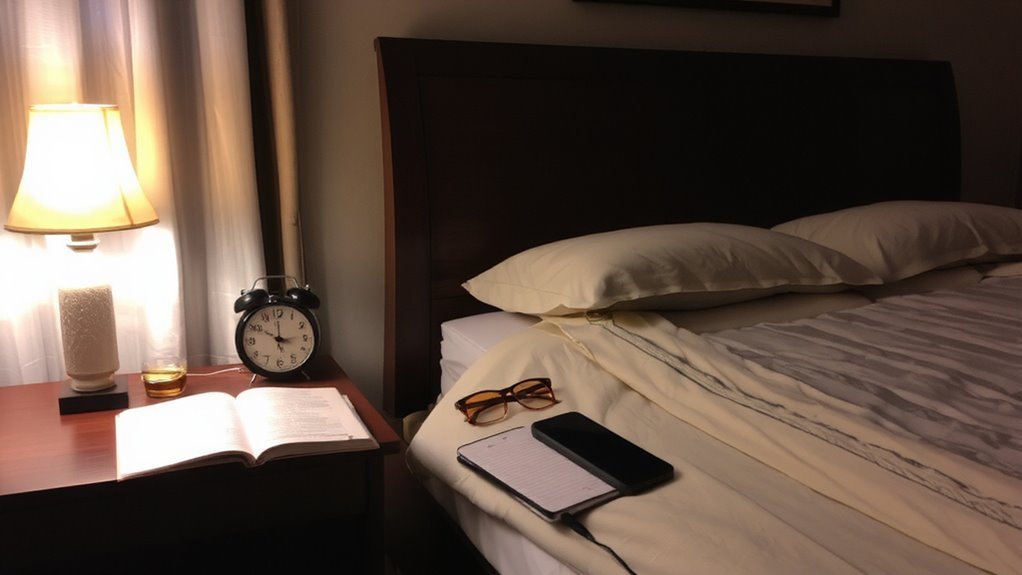
Why does it feel so hard to wind down at night, even when you’re tired? Blue light from screens can trick your brain into thinking it’s still daytime, delaying melatonin release and pushing your sleep cycle back. To prevent relapse, start using screen filters in the evening-they reduce blue light without distorting images. Many devices have built-in settings, so you won’t need extra apps. More importantly, set device curfews: choose a time to power down phones, tablets, and computers, ideally 60–90 minutes before bed. This creates a buffer that supports natural sleep onset. You can test different curfew times to find what works best. Over time, consistent use of screen filters and device curfews helps maintain your reset rhythm, making it easier to fall asleep when you want to. For added protection, consider wearing blue light blocking glasses during evening screen use to further support melatonin production.
Create a Relaxing Bedtime Routine
As your body starts shifting into rest mode each night, a consistent bedtime routine can strengthen the signals that it’s time to sleep. Small, repeatable actions train your brain to wind down naturally. Consider adding sleep meditation or bedtime journaling to your nightly pattern-they’re effective, drug-free tools. These habits reduce mental clutter and promote emotional balance, making it easier to fall asleep and stay asleep. Incorporating best aromatherapy products can further enhance relaxation and support deeper sleep.
| Activity | Benefit |
|---|---|
| Sleep meditation | Calms racing thoughts and lowers heart rate |
| Bedtime journaling | Clears worries and improves sleep onset |
| Reading (non-screen) | Signals the brain to prepare for rest |
Choose practices that fit your lifestyle and require minimal setup. Consistency matters more than complexity-doing the same things nightly helps maintain your circadian rhythm. Test each method for at least five nights before deciding. Most people notice improvements within two weeks.
Limit Caffeine and Evening Meals
Since caffeine can disrupt your sleep cycle even hours after consumption, it’s best to cut it out by mid-afternoon-around 2 p.m. for most people-especially if you’re recovering from delayed sleep phase disorder. Managing caffeine timing helps maintain stable circadian rhythms and reduces nighttime arousal. Likewise, evening meals should be finished at least two to three hours before bedtime. Proper meal spacing prevents digestion from interfering with sleep onset and quality. Heavy or spicy foods late at night may cause discomfort or acid reflux, further disrupting rest. Sticking to lighter dinners and avoiding large snacks late supports smoother shifts into sleep. These habits reinforce your body’s internal clock and protect the progress you’ve made. Consistency with caffeine timing and meal spacing doesn’t require extreme measures-small adjustments make a meaningful difference in maintaining long-term sleep stability.
Adjust Carefully for Travel Without Losing Progress
You’ve already made strides in resetting your sleep schedule by adjusting habits like caffeine use and meal timing, and now maintaining that progress during travel requires thoughtful planning. Time zone changes can quickly disrupt your rhythm, increasing the risk of jet lag and pushing you back toward old patterns. To minimize setbacks, start shifting your sleep and wake times gradually-about 15 to 30 minutes daily-toward your destination’s schedule a few days before departure. Use bright light exposure strategically: morning light helps you adapt to earlier schedules, while evening light can delay sleep if needed. Avoid screens before bed, and consider using a sleep mask or earplugs to maintain consistency. Though melatonin supplements may help adjust your internal clock, use them only as needed and under guidance. Small, deliberate steps reduce the impact of jet lag and protect your hard-won progress.
Track Your Sleep to Stay on Track
How do you know if your sleep schedule is really improving? You track it. Keeping a sleep diary helps you see patterns and measure real progress. Each morning, jot down when you fell asleep, woke up, and how rested you felt. This daily record becomes a valuable consistency check over time. It shows whether your bedtime routine is working or if small slips are turning into setbacks. Think of it like a fitness log for your circadian rhythm. Writing things down makes it harder to ignore subtle drifts toward old habits. Use a notebook or a sleep-tracking app-both do the job if used regularly. Review your sleep diary weekly to assess what’s stable and what needs adjusting. Spotting issues early means you can make minor tweaks before they become problems. Tracking isn’t about perfection-it’s about awareness, control, and long-term success.
On a final note
You’ve reset your rhythm, and now consistency keeps it steady. Wake at the same time daily, even on weekends, to anchor your cycle. Morning light strengthens this pattern, while evening blue light avoidance protects it. A calming routine signals your body it’s time to wind down. Limit caffeine and late meals, and track sleep to catch slips early. Travel adjustments should be gradual. Small, sustained steps maintain progress better than intense fixes.