How Naps Can Reset Your Sleep Cycle Without Causing Grogginess
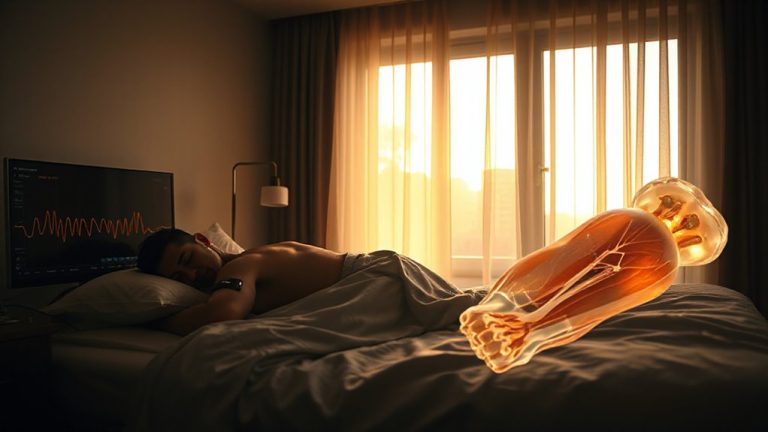
Take a 20- to 30-minute nap between 1:00 and 3:00 p.m. to reset your sleep cycle without grogginess. This keeps you in lighter sleep stages, avoiding deep sleep and reducing sleep inertia. Keep your environment dark, quiet, and cool to support restfulness, and use a firm alarm to wake on time. Napping too late or too long can disrupt nighttime sleep. If fatigue persists, poor sleep quality might need further evaluation. You’ll find clearer ways to improve daily energy just ahead.
Notable Insights
- Keep naps to 20–30 minutes to stay in light sleep and avoid grogginess.
- Nap between 1:00 p.m. and 3:00 p.m. to align with natural energy dips and protect nighttime sleep.
- Limit nap duration to 10–20 minutes to reduce sleep inertia and wake up alert.
- Create a dark, quiet, cool environment to enhance sleep quality and support quick rest.
- Avoid napping after 3 p.m. or oversleeping to prevent disruption of your natural sleep cycle.
How Long to Nap to Reset Your Sleep Cycle
A 20- to 30-minute nap is usually the sweet spot for resetting your sleep cycle without causing grogginess or interfering with nighttime sleep. This length lets you stay in light sleep phases, avoiding deep sleep that makes waking up harder. Nap timing matters because shorter naps reduce sleep inertia and support alertness. If you nap longer, you may enter REM or slow-wave sleep, making it tougher to feel refreshed. Sticking to 30 minutes or less helps maintain your body’s natural rhythm and supports better nighttime sleep patterns. You don’t need special tools, though using a quiet, dark space improves results. Some sleep aids, like eye masks or white noise machines, can help you fall asleep faster within this window. Consistency in nap timing strengthens the reset effect over time. For sleep cycle adjustments, this short-nap method is reliable and easy to test. Using a sleep-promoting best night lights can also create an ideal environment for both napping and nighttime rest.
Best Time of Day to Nap Without Grogginess
The ideal time to nap without feeling groggy falls between 1:00 p.m. and 3:00 p.m., when your body naturally experiences a post-lunch dip in alertness. This window supports circadian alignment, helping you recharge without disrupting nighttime sleep. Midday napping during this period usually leads to lighter sleep stages, reducing grogginess upon waking.
| Benefit | Consideration |
|---|---|
| Matches natural energy dip | Napping after 3:00 p.m. may interfere with bedtime |
| Enhances alertness and focus | Longer naps increase sleep inertia |
| Supports circadian alignment | Best results with consistent timing |
| Minimizes grogginess | Avoid caffeine before napping |
| Improves mood and performance | Limit light and noise distractions |
Choosing this timeframe improves rest quality and supports long-term sleep health.
How to Optimize Light, Sound, and Temperature for a Restorative Nap
You’ll get the most out of your nap by shaping your environment to support quick, restful sleep-start with dimming the lights, since darkness signals your brain to produce melatonin, the hormone that regulates sleep. Minimizing light exposure helps maintain a consistent nap environment, especially if you’re using blackout curtains or a sleep mask. Sound insulation matters too-quiet spaces or white noise machines reduce disruptions, letting you drift off faster. Keep temperature regulation in mind; a slightly cool room, around 65–68°F, supports deeper rest without discomfort. Your nap environment should feel calm and predictable, which benefits people managing irregular sleep patterns or mild sleep disturbances. Small adjustments in light, sound, and temperature won’t cure sleep disorders, but they improve conditions for effective rest. Try testing one element at a time to see what works best-many affordable sleep aids offer warranties, making trial low-risk. For travel-friendly options, consider a compact white noise machine.
How to Wake Up Alert: Nap Duration and Alarm Tips
While getting the right amount of sleep during a nap matters, how you wake up can make the difference between feeling refreshed or groggy-aim for 10 to 20 minutes if you want to avoid sleep inertia, the sluggish feeling that comes from waking during deep sleep stages. Proper nap timing helps you stay out of deep sleep, so you wake up alert. Set your alarm accordingly and stick to it, even on weekends. Consistent alarm strategies, like using gradual light or soft sounds, can reduce shock to your system. Try placing your alarm across the room to force movement upon waking. Avoid hitting snooze, as fragmented waking increases grogginess. Testing different durations and alarms helps identify what works best for your body. Shorter naps with smart alarm strategies typically lead to smoother shifts and better daytime focus. With a little trial, you can fine-tune your routine without relying on sleep aids or medical intervention. For optimal results, consider using one of the best alarm clocks designed to ease you awake gently.
When Napping Hurts More Than Helps: Late, Long, or Frequent Mistakes
Some naps boost alertness, but too many, too long, or too late in the day can disrupt your sleep cycle instead of supporting it. Napping too late, especially after 3 p.m., may interfere with your ability to fall asleep at night, reducing overall sleep quality. Your body’s natural rhythm can shift, making it harder to maintain a consistent bedtime. Napping too frequently-daily or multiple times a day-might indicate poor nighttime sleep or an underlying sleep disorder. While short naps of 10–20 minutes are generally safe, long naps over 60 minutes increase the risk of sleep inertia and fragmented nighttime rest. If fatigue persists despite napping, consider tracking your sleep patterns or consulting a healthcare provider. Sleep aids should only be used after evaluating root causes. A well-timed nap supports energy, but misused, it can do more harm than good.
On a final note
You can reset your sleep cycle with a short nap, ideally 20 minutes mid-afternoon, to avoid grogginess. Keep your space cool, dark, and quiet for better rest. Use a reliable alarm to prevent oversleeping. Longer or late naps may disrupt nighttime sleep, especially if you struggle with insomnia. Test different durations cautiously, track how you feel, and consult a sleep specialist if problems persist.