Hemp Bedding: the Eco-Friendly Alternative With Superior Durability
You’ll get stronger, longer-lasting sheets with hemp bedding-it resists tearing and pilling better than cotton, even when wet. It softens with each wash while keeping its structure, offering comfort that improves over time. Grown with less water and no synthetic pesticides, it’s a lighter choice for the planet. Choose GOTS-certified hemp for safety and durability. You’re seeing just part of why so many switch and stay.
Notable Insights
- Hemp bedding is more durable than cotton, resisting tearing and thinning even after repeated washing.
- It requires significantly less water and no synthetic pesticides to grow, making it an eco-friendly choice.
- Hemp fibers remain strong when wet, maintaining structural integrity better than cotton over time.
- With each wash, hemp bedding softens while retaining durability, achieving optimal comfort by the fifth wash.
- Choosing high-hemp-percentage, GOTS-certified bedding ensures environmental sustainability and long-term performance.
Why Hemp Bedding Beats Cotton on Durability
Many people find hemp bedding lasts far longer than cotton, and for good reason. You’ll notice the difference in fiber strength right away-hemp fibers are naturally denser and more resilient than cotton, so your sheets resist thinning over time. When you’re dealing with frequent washing or restless sleep, tear resistance becomes key; hemp handles it without fraying. Unlike cotton, which weakens when wet, hemp maintains its structure, making it reliable night after night. If you’ve struggled with worn-out bedding contributing to discomfort, switching may help support better sleep hygiene. Most quality hemp bedding also comes with trial periods, so you can test durability risk-free. While the texture feels different at first-a bit crisp-many find it softens comfortably with use. You’re not just buying sheets; you’re investing in long-term performance that supports consistent, undisturbed rest.
Hemp Bedding’s Eco Advantage: Less Water, No Pesticides
You’ve seen how hemp stands up to wear and washing better than cotton, and that same toughness comes with another benefit-less environmental strain. Hemp needs far less water than cotton and grows without synthetic pesticides, reducing harm to ecosystems. It naturally resists pests and thrives in diverse climates, cutting farming complexity. This low input means a smaller carbon footprint over its lifecycle. Plus, hemp supports soil regeneration by returning nutrients and reducing erosion, making land healthier for future crops. These traits make it a practical choice if you’re weighing bedding’s long-term environmental impact. While not marketed as a sleep aid, its eco-efficient production aligns with mindful sleep routines. Many brands offer trial periods, so you can assess comfort risk-free. With durability already confirmed, the eco advantage gives you added clarity when choosing sustainable bedding that performs.
How Hemp Bedding Gets Softer With Every Wash
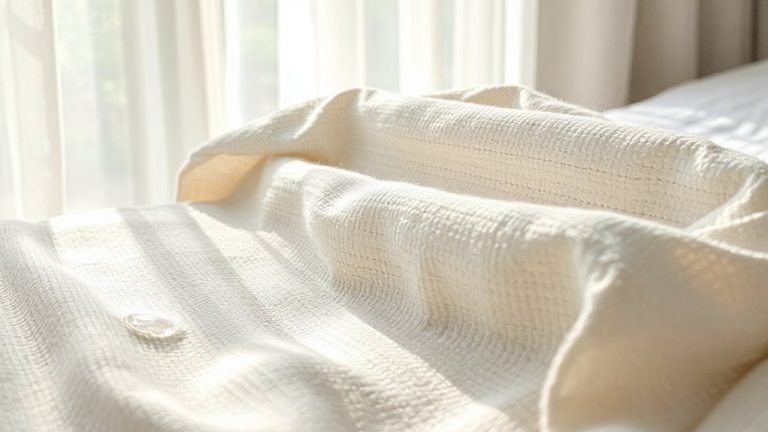
Hemp bedding starts with a sturdy feel but softens noticeably with each wash, making it more comfortable over time. This texture evolution happens naturally due to the fibers breaking down slightly with every cycle, enhancing softness without sacrificing strength. Thanks to its wash resilience, hemp maintains durability even as it becomes cozier. You’ll notice improved flexibility and drape after just a few washes, contributing to a better sleep surface.
| Wash Cycle | Feel | Drape |
|---|---|---|
| 1 | Firm | Slightly stiff |
| 3 | Smoother | More fluid |
| 5+ | Soft | Highly pliable |
This gradual softening supports long-term comfort, especially if you prefer evolving bedding that adapts to your habits. With proper care, hemp bedding offers sustained performance, ideal for consistent sleep routines. Consider trying a set with a trial period to assess how the texture evolution fits your preferences.
Hemp Vs. Cotton: Long-Term Performance Compared
When it comes to long-term bedding performance, how your sheets hold up over time matters just as much as how they feel at first touch. Hemp offers greater fiber strength than cotton, meaning your bedding resists pilling and thinning wash after wash. This durability translates to longer use between replacements, which supports both your comfort and long-term value. Cotton fibers weaken when wet, but hemp stays resilient, maintaining structure and softness. From an environmental impact standpoint, hemp requires less water and fewer pesticides than cotton, making it a more sustainable choice over time. While cotton may feel soft initially, it often degrades faster under regular use. Hemp’s natural toughness guarantees consistent performance, breathability, and structure-important if you value restful sleep without frequent sheet changes. Choosing based on fiber strength and environmental impact helps you balance comfort, health, and sustainability without guesswork.
Real Switcher Benefits: Less Fading, Fewer Replacements
Though they start out vibrant, most bed sheets lose color and integrity faster than expected, but switching to hemp means you’ll see less fading over time thanks to its tightly bound, UV-resistant fibers. You’ll notice the colors stay richer wash after wash, which means fewer replacements and more value over time. That UV resistance also helps maintain strength when aired outside, a small plus if you like freshening bedding in sunlight. Plus, hemp’s natural mold prevention properties keep it durable in damp environments, reducing wear from moisture-related breakdown. Since the fibers resist deterioration, your bedding stays functional and comfortable longer, supporting consistent sleep routines. You won’t need to replace it as often, cutting down on long-term costs and clutter. Fewer replacements mean simpler bedtime habits, especially helpful if you rely on predictable sleep conditions. With strong fibers that hold up to friction and washing, hemp stands out as a practical, lasting choice for those who want reliability without constant upkeep or re-buying.
How to Choose the Best Hemp Bedding: Weave, Blend, and Certifications
What makes one hemp sheet set a better fit than another? It comes down to weave, blend, and certifications. You’ll want to check the thread count, but don’t fixate-hemp fibers are strong and soft at lower counts than cotton. Look for tightly woven fabrics like twill or satin weaves for durability and comfort. Blends matter too; pure hemp offers breathability, while hemp-cotton mixes may feel softer at first. Always review care instructions-hemp bedding often softens over time with proper washing.
| Feature | Why It Matters |
|---|---|
| Weave type | Affects texture and durability |
| Hemp percentage | Higher = more eco-friendly |
| Certifications | GOTS means no harmful chemicals |
| Thread count | Less critical than in cotton |
| Care instructions | Impacts longevity and softness |
On a final note
You’ll find hemp bedding holds up better over time than cotton, needing fewer replacements. It softens with each wash while using less water and no pesticides in production. Look for tight weaves and organic certifications for quality. Most brands offer trial periods, so you can test comfort risk-free. Consider how durability and eco-impact align with your sleep needs when deciding.