Differentiating Benign Sleep Starts From Pathological Myoclonus in Older Adult Populations
You might feel sudden jerks as you fall asleep-common sleep starts that are usually harmless, especially in older adults. These differ from pathological myoclonus, which occurs at any time, is repetitive, and often signals underlying issues like epilepsy or metabolic disorders. Sleep starts happen only at sleep onset, are brief and isolated. If jerks disrupt your rest or happen while awake, further evaluation with tests like EMG or MRI may be needed. Clonazepam or better sleep habits can help-there’s more to ponder if symptoms persist.
Notable Insights
- Benign sleep starts occur only during sleep onset, while pathological myoclonus can happen at any time, including wakefulness.
- Sleep starts are single, brief twitches; pathological myoclonus involves repetitive, sustained, and often intense muscle jerks.
- In older adults, sleep starts are common and harmless, linked to age-related sleep changes and fatigue.
- Pathological myoclonus is associated with neurological conditions like epilepsy, metabolic disorders, or neurodegenerative diseases.
- Diagnosis involves clinical history, electromyography, and sometimes imaging or lab tests to rule out underlying pathology.
What Are Sleep Starts and Pathological Myoclonus?

Ever wonder why you sometimes jerk awake just as you’re drifting off? That’s a sleep start-a sudden muscle reflex tied to normal sleep physiology. These brief, involuntary twitches happen as your body shifts from wakefulness to sleep and are usually harmless. They’re most common when you’re tired or stressed. Pathological myoclonus, on the other hand, involves more intense and frequent muscle reflexes that disrupt sleep regularly and may signal an underlying condition. Unlike benign sleep starts, these movements can occur during any stage of sleep or even while awake, affecting daily function. Understanding the difference helps guide decisions about monitoring sleep patterns or seeking evaluation. Sleep aids or lifestyle adjustments may help with occasional sleep starts, but persistent or worsening symptoms warrant professional insight. Recognizing these signs supports informed choices about care and sleep health without unnecessary concern.
Are Sleep Starts Common in Older Adults?
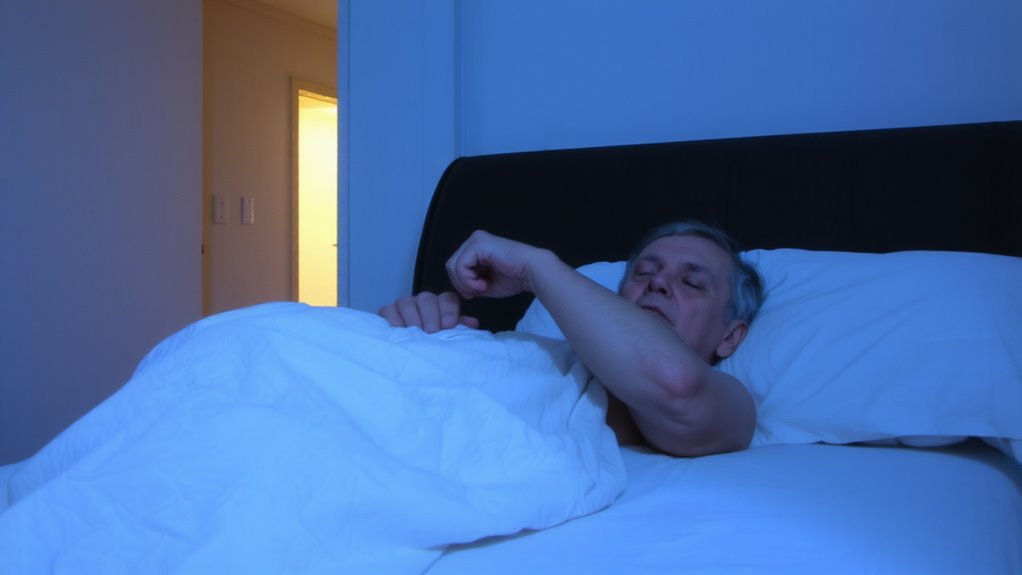
Why do sleep starts seem to pop up more often as you get older? As you age, shifts in sleep physiology make your brain more prone to brief arousal during shifts into sleep. These sudden jerks, often harmless, become more frequent because of natural changes in how your body regulates rest. Muscle aging also plays a role-your nerves and muscles don’t communicate as smoothly, which can trigger those quick twitches. You’re not alone if you notice them more now; many older adults do. While they usually don’t need treatment, tracking when they happen can help you and your doctor decide if further sleep evaluation is useful. Consider limiting caffeine, maintaining a regular bedtime, and creating a calm sleep environment. These steps support better sleep hygiene and may reduce how often sleep starts occur.
How Do Sleep Starts Differ From Pathological Myoclonus?
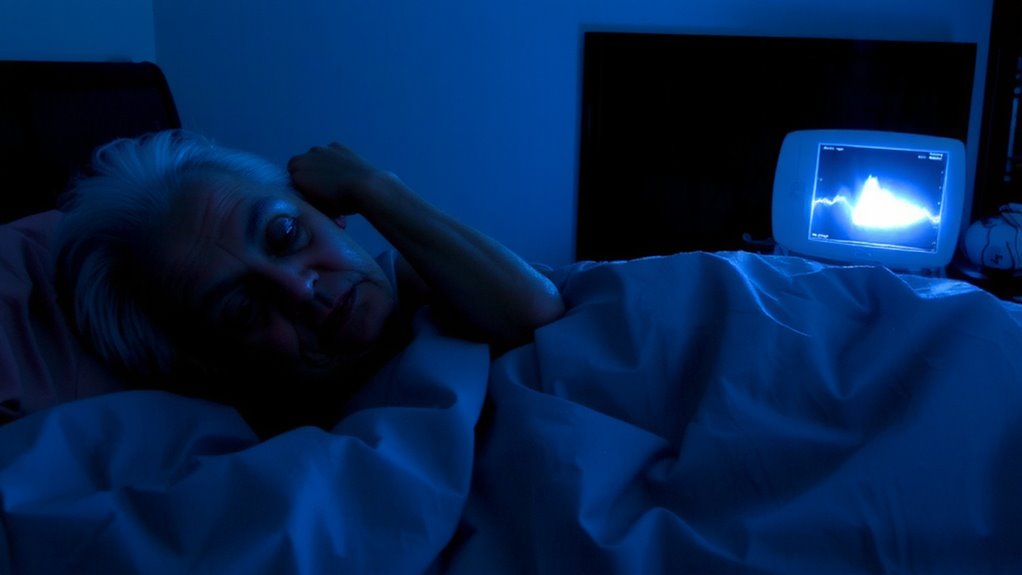
How can you tell whether those sudden jerks at bedtime are harmless or something more serious? Sleep starts, or hypnic jerks, are common and usually involve a single, brief muscle twitching just as you drift off. They’re linked to normal shifts in nerve signaling during sleep shifts and often happen when you’re tired or stressed. In contrast, pathological myoclonus tends to occur during wakefulness or lighter sleep stages, is more repetitive, and can affect daily function. The muscle twitching in such cases is often more intense or widespread. Unlike benign jerks, abnormal myoclonus may disrupt sleep consistently and be accompanied by other symptoms. Noting timing, frequency, and context helps clarify the cause. If episodes increase or interfere with rest, a sleep evaluation can offer clarity. Most need no treatment, but understanding the difference guides decisions about monitoring, lifestyle changes, or professional follow-up.
What Neurological Conditions Cause Myoclonus?
In some cases, myoclonus isn’t just a harmless twitch but a sign of an underlying neurological condition. If you’re experiencing frequent or intense muscle jerks, they might stem from epileptic spasms, often linked to seizure disorders and abnormal brain activity. These spasms typically occur in clusters and can disrupt daily function. Another possible cause is metabolic encephalopathy, which arises from imbalances like kidney or liver failure, electrolyte disturbances, or severe infections-these affect brain function and may trigger myoclonus. Other neurological conditions include neurodegenerative diseases such as Alzheimer’s or Creutzfeldt-Jakob disease, where myoclonus becomes a later symptom. Unlike benign sleep starts, these forms are often persistent and occur during wakefulness or sleep. Identifying the root cause involves medical history, blood tests, EEGs, and imaging. Treating the condition, not just symptoms, is key. You’ll need a neurologist’s guidance to determine if sleep aids or other interventions are appropriate.
When Should You Worry About Nighttime Muscle Jerks?
Nighttime muscle jerks are common and often harmless, but knowing when they signal something more serious can help you decide whether to adjust your sleep habits or seek medical advice. If the jerks happen frequently, disrupt your sleep, or affect your daily energy, it’s worth looking closer. Lifestyle factors like caffeine, stress, or poor sleep hygiene might be contributing, so try cutting back on stimulants and sticking to a consistent bedtime. Sometimes, medication side effects can trigger these movements-review your prescriptions with your doctor. If jerks spread to other body parts, occur while awake, or come with confusion or weakness, they may point to a neurological issue. You don’t need to panic, but monitoring symptoms and making gradual changes can help clarify whether it’s a benign pattern or something needing further evaluation.
How Do Doctors Diagnose Myoclonus?
Could it be more than just a sleep twitch? If muscle jerks happen frequently or disrupt your rest, doctors might suspect myoclonus. They’ll start by reviewing your medical history and sleep patterns, often asking about medication or past illness. To confirm, they’ll likely use electromyography testing, which measures electrical activity in your muscles and helps pinpoint abnormal signals. You may also undergo video monitoring during sleep, capturing movement in real time while tracking brain and muscle function. This combo helps tell apart benign sleep starts from more serious forms of myoclonus. These tools don’t hurt and are done in a sleep clinic or hospital. Results give a clearer picture of what’s really going on. Accurate diagnosis means better decisions about your health, sleep routines, and whether further evaluation is needed.
What Are the Next Steps for Treatment and Evaluation?
You’ve already learned how doctors use medical history, electromyography, and video monitoring to tell if your muscle jerks are harmless sleep starts or something more concerning like myoclonus. If tests confirm benign sleep starts, you usually won’t need treatment, but improving sleep hygiene can help reduce episodes. However, if evaluation methods point to pathological myoclonus, further testing might be needed to find an underlying cause, like kidney issues or neurological conditions. Your doctor may recommend blood tests, MRI scans, or spinal fluid analysis. Once a diagnosis is clear, treatment options could include medications such as clonazepam or levetiracetam, depending on the type and severity. Some patients benefit from physical therapy or sleep aids, but these should be used carefully, especially in older adults. Always discuss risks and benefits with your provider.
On a final note
You might experience sleep starts as you age, and they’re usually harmless. But if muscle jerks happen while awake, spread widely, or worsen over time, they could signal something more serious like neurological disease. Doctors use medical history, EEGs, and sleep studies to tell the difference. Treatment depends on the cause-some cases need medication, others don’t. Talk to your doctor before trying sleep aids, as some may worsen symptoms. A proper diagnosis helps guide safe, effective care.