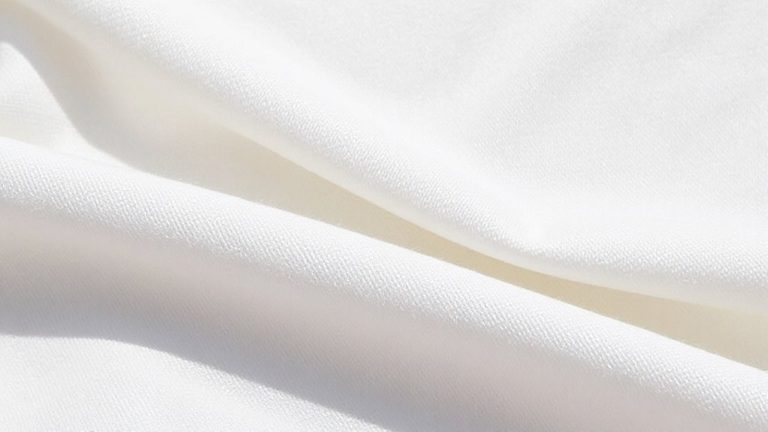
Upgrading Sheets to Moisture-Wicking Bamboo Blends for Thermoregulation
You’re upgrading to moisture-wicking bamboo blends because they pull heat and sweat away from your skin more efficiently than cotton, helping maintain a stable sleeping temperature. Bamboo fibers promote breathability, reduce dampness, and resist humidity better, especially in 300–400 thread count blends with 30% cotton for durability. These sheets support natural nighttime cooling, easing issues like night sweats or disrupted sleep. Many brands offer 30-night trials, so you can test comfort risk-free - and there’s more to contemplate when choosing the right fit.
Notable Insights
- Bamboo blends enhance thermoregulation by wicking moisture and dissipating heat more effectively than cotton.
- A 70% bamboo, 30% cotton blend balances breathability, durability, and moisture management for cooler sleep.
- Bamboo fibers pull sweat away quickly, reducing dampness and preventing overheating during hot nights.
- Optimal bamboo sheet performance occurs at 300–400 thread count to maintain airflow and softness.
- Switching to bamboo bedding supports natural body cooling and improves sleep quality in warm climates.
Can Hot Nights Ruin Your Sleep?
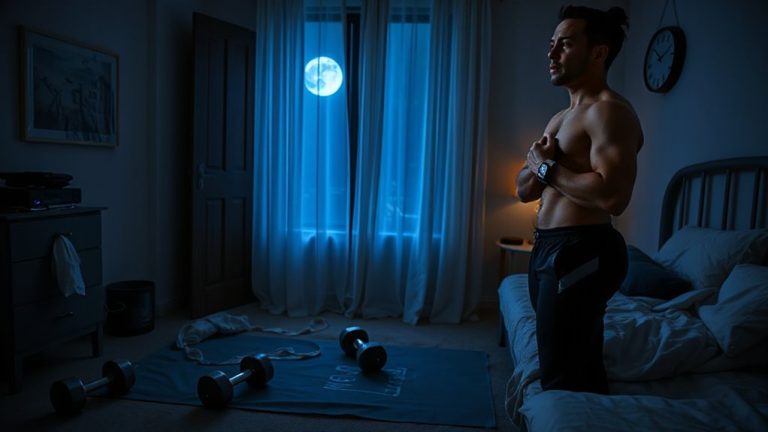
Have you ever woken up drenched in sweat, tossing and turning as the night stretches on? Hot nights can lead to serious sleep disruption, leaving you tired and unfocused the next day. When your body overheats, it struggles to regulate temperature, raising the risk of heat exhaustion-especially in warm climates or during summer. Frequent nighttime overheating doesn’t just reduce sleep quality; it can worsen existing sleep disorders like insomnia or sleep apnea. Your bedding plays a key role in thermoregulation. Materials that trap heat increase discomfort, while breathable fabrics help maintain a stable sleep environment. Choosing sheets designed for temperature control may reduce overheating episodes. Look for options with breathable weave, moisture-resistant fibers, and cooling performance. Many brands offer trial periods, letting you test their effectiveness. A small change in bedding could mean fewer disrupted nights and better overall rest. For those who sleep hot, a bamboo comforter can significantly improve nighttime temperature regulation.
Do Bamboo Sheets Wicked Sweat Better Than Cotton?
Bamboo sheets handle sweat differently than cotton, thanks to their natural fiber structure and breathability. You’ll notice they pull moisture away from your skin faster, thanks to superior moisture absorption. Cotton absorbs sweat too, but it often holds onto it, leaving you feeling damp. Bamboo fibers wick moisture more efficiently and allow better fabric breathability, helping vapor escape before it builds up. This means you’re less likely to wake up with that sticky feeling. If you tend to overheat at night or deal with night sweats, switching could help. Look for sheets made from rayon or lyocell derived from bamboo, as these maintain the natural benefits. Many brands offer trial periods-usually 30 to 60 nights-so you can test the feel without risk. Check warranty terms, as some cover pilling or shrinkage. It’s a practical step to support better sleep comfort.
How Bamboo Keeps You Cool All Night
While you sleep, your body’s temperature naturally dips, and staying cool depends on how well your sheets support that process. Bamboo conductivity helps move excess heat away from your skin, keeping your microclimate stable. Unlike cotton, bamboo fibers respond quickly to body warmth, releasing heat before you overheat. This matters most when nighttime humidity rises, as trapped moisture makes you feel hotter. Bamboo resists that by allowing air to circulate and moisture to escape. The fibers absorb vapor before it turns into sweat, reducing dampness. You stay dry, and your temperature remains balanced. These sheets don’t just feel cool-they’re engineered to regulate. Many brands offer trial periods, so you can test how they affect your sleep over weeks. Look for ones with breathability ratings and moisture tests on file. If you struggle with night sweats or mild insomnia, trying bamboo could help you track improvements. It’s a low-risk change with measurable comfort benefits. A supportive sleep setup enhances these benefits, and pairing moisture-wicking sheets with a well-designed neck pillow for recliners can improve overall rest quality.
Best Bamboo-Cotton Blends for Breathable Sheets
You’ll often find that pure bamboo sheets, though highly breathable, can be delicate over time, which is why mixing them with cotton makes sense for durability without sacrificing comfort. A blend of 70% bamboo and 30% cotton offers strong performance, balancing moisture-wicking ability with resilience. These blends typically maintain a thread count between 300 and 400, which supports airflow while ensuring fabric softness improves with each wash. Higher thread counts may reduce breathability, so sticking in this range helps regulate temperature. The mix also resists pilling better than pure bamboo. Many brands back their blends with a 30-night trial and free returns, letting you test comfort without risk. Since bamboo-cotton sheets manage humidity well, they can support better sleep if you wake from night sweats or overheating. Their construction promotes consistent fabric softness and thermoregulation, making them a practical upgrade for restful sleep. For those seeking similar benefits in weighted bedding, consider exploring best bamboo weighted blankets designed to enhance sleep quality through natural temperature regulation.
How to Replace Cotton Sheets With Bamboo
If you’re ready to make the switch, replacing cotton sheets with bamboo starts with checking your current thread count and sleep environment, since bamboo performs best in lighter weaves that promote airflow. Choose eco friendly bedding that balances softness and breathability-bamboo blends with 300–400 thread count often offer ideal sustainable comfort. Consider your sleep patterns, especially if night sweats or overheating disrupt rest. Below is a quick guide to help compare options:
| Feature | Cotton Sheets | Bamboo Blend Sheets |
|---|---|---|
| Breathability | Moderate | High |
| Moisture Wicking | Low | High |
| Eco Impact | High water use | Lower, eco friendly bedding |
| Softness | Break-in period | Silky from first use |
| Durability | 2–3 years | 3–5 years, sustainable comfort |
Check warranty and trial periods before buying.
On a final note
You might sleep cooler with bamboo blends, as they wick moisture better than cotton and help regulate temperature. These sheets breathe well, resist odors, and feel soft, but may cost more. Look for 60-70% bamboo, 30-40% cotton blends for durability and comfort. Check care instructions, since some require gentle washing. Test a set with a trial period, and consider warranty coverage. You can switch from cotton gradually, starting with one set to see how your body responds.