Cotton Satin vs Silk Satin Bedding: Durability & Cooling Compared
You’ll notice cotton satin feels cooler and more durable than silk satin, thanks to its breathable weave and sturdy fibers. Cotton pulls moisture away better, making it ideal if you sleep hot or deal with night sweats. Silk feels softer at first but needs gentle care and can weaken from sweat and sun. Both glide smoothly against skin, but cotton holds up better over time. For long-term comfort with less maintenance, cotton often makes the smarter choice-see how each performs in real use.
Notable Insights
- Cotton satin uses a satin weave with natural fibers, offering breathability and moisture-wicking ideal for warm sleepers.
- Silk satin is made from delicate protein fibers requiring gentle care to prevent damage from friction or UV exposure.
- Cotton satin resists wrinkles and abrasion better, making it more durable for frequent use in bedding.
- Silk satin provides a smoother, softer feel but is prone to snagging and fiber breakdown over time.
- Cotton offers superior airflow compared to silk, making it preferable for temperature regulation during sleep.
Why Satin Weave Feels So Luxurious in Bedding
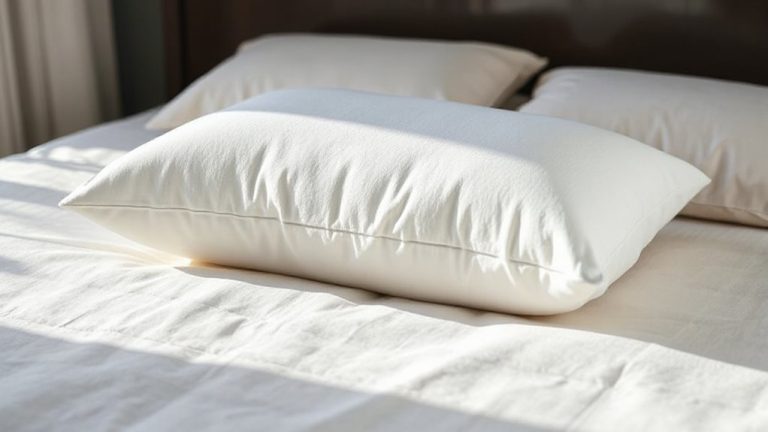
Feeling that smooth glide against your skin as you settle into bed? That’s the satin weave working for you. Unlike plain weaves, satin uses longer floats in the yarn, creating a smooth finish that resists friction-ideal if you toss at night or have sensitive skin. This structure gives bedding a soft drape, hugging the body without stiffness, which may help reduce sleep disruptions from irritation. The smooth finish doesn’t just feel cool; it also minimizes hair snagging, a small perk that can support better sleep hygiene. Fabrics with this weave tend to regulate temperature better due to improved airflow, though actual performance depends on fiber content. Many brands offer trial periods, so testing comfort is low-risk. Check warranty length and care instructions before buying-some require gentle cycles. The soft drape and smooth finish contribute to a calm sleep environment, making satin weave a practical choice worth considering. For those seeking both comfort and elegance, top-rated options include best satin sheets that combine quality fabric with durable construction.
How Cotton Satin Is Made: and What That Means for You
Though it mimics the glossy look of silk, cotton satin gets its sheen from the satin weave structure rather than the fiber itself. The weave pattern floats yarns over several others, creating a smooth, soft surface that reflects light. This tight construction often supports higher thread count, enhancing durability and comfort. Cotton satin’s breathability helps regulate temperature, making it a practical choice if you tend to overheat at night. It’s also more resilient than silk, standing up well to washing and daily use.
| Feature | Benefit | Consideration |
|---|---|---|
| Satin weave | Smooth, lustrous feel | Requires gentle washing |
| High thread count | Durable, soft fabric | May trap heat if too dense |
| Cotton fiber | Breathable, washable | Less naturally cool than silk |
| Weave pattern | Resists wrinkles over time | Can snag if yarns loosen |
Check warranty details before buying-many brands offer trials.
How Real Silk Satin Is Made (and Why It’s So Delicate)
Because it’s woven from natural protein fibers spun by silkworms, real silk satin starts with a delicate process that affects every part of its performance. You’ll notice this in its soft, smooth texture, a result of careful silk production that preserves the fiber’s structure. But that same process makes it sensitive-real silk satin requires gentle handling and specific care to last. Its fiber sensitivity means it can weaken under harsh detergents, UV exposure, or rough friction. While it drapes beautifully and feels cool at first touch, these qualities come with trade-offs in durability. Most high-quality silk bedding includes care instructions and may offer a limited warranty to cover manufacturing flaws. A Top Picks & Buying Guide can help you choose the best silk products suited for your lifestyle. You’re not just buying a fabric-you’re investing in a natural material with unique properties shaped by how it’s made. Consider how your sleep habits align with its needs before deciding.
Cotton vs. Silk: Who Breathes Better at Night?
Temperature plays a key role in how well you sleep, and both cotton and silk satin influence your night differently. Cotton satin breathes well due to its natural fibers, helping with moisture retention by pulling sweat away from your skin. This supports better temperature regulation, especially if you tend to sleep hot. Silk satin also offers good airflow, but its smooth fibers don’t absorb moisture as quickly, which can leave you feeling damp if you sweat heavily. While silk naturally resists overheating, its effectiveness depends on weave tightness and thread quality. Cotton typically allows more air circulation, making it a solid choice for warm climates or night sweats. If you struggle with temperature regulation, testing both fabrics under real sleep conditions can help. Many brands offer sleep trials, letting you compare breathability over time. Choose based on your sweat levels and sleep environment. A supportive sleep surface can also enhance spinal alignment, and selecting the right best mattresses for better posture may further improve rest quality.
Which Satin Lasts Longer: and How to Care for It
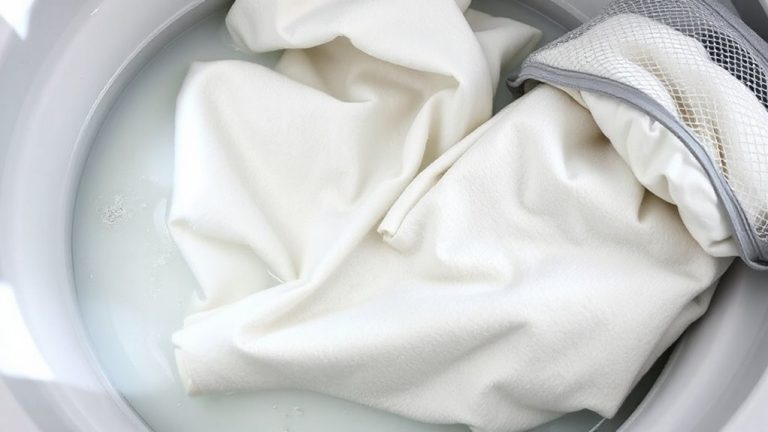
You’ve likely noticed how cotton and silk satin feel against your skin and manage heat throughout the night, but how they hold up over time matters just as much for long-term comfort. When considering durability comparison, cotton satin typically resists abrasion better and maintains its look after repeated washing, often lasting years with proper care. Silk satin is more delicate, prone to snagging and fiber breakdown over time, especially with frequent use. Still, both benefit from gentle handling. Use care techniques like hand-washing or delicate cycles with mild detergent, and always air-dry to preserve fibers. Avoid bleach and harsh chemicals, which weaken textiles. Silk particularly needs protection from perspiration and UV exposure to slow deterioration. Cotton handles moisture well but may fade over time. Following manufacturer guidelines and checking for trial periods or warranties can help you choose bedding that stays comfortable and intact through seasons of use.
Which Satin Is Best for Your Sleep Style?
How you sleep-whether you toss and turn, run hot, or prefer a cool, smooth surface-can influence which satin bedding suits your needs best. If you struggle with sleep comfort due to night sweats, silk satin may offer better temperature regulation, thanks to its natural breathability and moisture-wicking properties. Cotton satin, while less effective at heat dissipation, provides a smoother, more durable surface that’s easier to care for and gentler on sensitive skin. Your sleep style matters: restless sleepers may appreciate cotton’s sturdiness, while those sensitive to heat might lean toward silk for its cooling feel. Both offer a soft touch that can reduce friction on hair and skin. Consider trial periods or warranties when testing either option, since personal preference plays a big role. Evaluate breathability, feel, and maintenance to match your needs.
On a final note
You’ll find cotton satin more durable and easier to care for, ideal if you want long-term use with machine washing. Silk satin offers superior breathability and a smoother feel, beneficial if you overheat or have sensitive skin. Both provide that soft, luxurious drape, but silk requires gentle handling and may need replacement sooner. Consider a trial period or warranty when buying, especially online, to test comfort and performance. Choose based on your sleep needs, not just texture.