Comparing Memory Foam Densities: How to Choose Based on Your Sleep Style
You’ll want a memory foam density that matches both your sleep position and weight. Side sleepers usually need 4.0–5.0 PCF to cushion hips and shoulders while keeping the spine aligned. Back and stomach sleepers benefit from firmer 4.5–5.5 PCF foam to prevent sagging. If you weigh under 130 lbs, 3–4 lbs/ft³ works; over 230 lbs, go 5+ for durability. Higher density lasts longer, resists impressions, and often comes with strong warranties-giving you more confidence in your choice. You’ll find how cooling and certifications play into your match just ahead.
Notable Insights
- Choose higher memory foam density (4–5+ PCF) for better durability and long-term support based on your sleep style.
- Side sleepers should opt for 4.0–5.0 PCF to cushion hips and shoulders while maintaining spinal alignment.
- Back sleepers need 3.5–4.5 PCF for balanced support and pressure relief along the spine.
- Stomach sleepers benefit from 4.0–5.0 PCF to prevent excessive sink and maintain neutral spine alignment.
- Heavier individuals (over 130 lbs) require higher density foams (4–5+ PCF) for compression resistance and longevity.
What Is Memory Foam Density and Why It Matters
While you’re shopping for a memory foam mattress or pillow, you’ve probably come across the term “density,” and it’s worth paying attention to because it直接影响 how the foam performs over time. Density measures how much foam is packed into a cubic foot, usually ranging from 1.5 to 5 pounds. Higher density foams typically offer better support and longer foam lifespan, often lasting seven to ten years or more. They also improve pressure distribution, cushioning hips, shoulders, and joints more evenly. Lower density foams feel softer initially but may wear faster, especially with regular use. This can affect sleep quality over time, particularly if you wake up stiff or sore. Most manufacturers provide trial periods and warranties, so checking density helps you compare value. It’s a practical starting point-not a guarantee, but a reliable predictor of how well the foam will hold up and support you night after night.
How Your Sleep Position Affects Density Needs
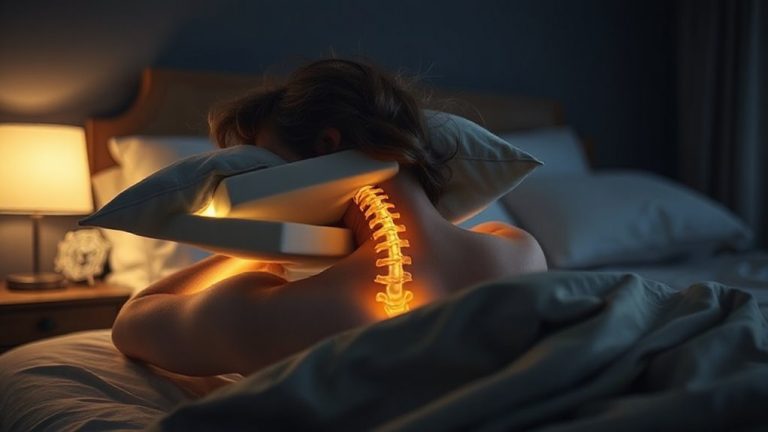
Your sleep position plays a key role in determining the right memory foam density for your needs, since different poses put pressure on different parts of your body. Proper sleep alignment and effective pressure relief depend on how well your mattress supports your natural spine curvature. Lighter individuals or those who change positions often may prefer lower-density foams, while heavier sleepers usually need higher density for durability and support.
| Sleep Position | Recommended Density (PCF) |
|---|---|
| Back | 3.5 – 4.5 |
| Stomach | 4.0 – 5.0 |
Higher density foams offer better long-term support and motion isolation, helping maintain sleep alignment throughout the night. Most brands provide trial periods, so you can test pressure relief performance risk-free. Check warranty terms too-denser foams often come with longer coverage due to their extended lifespan.
Best Memory Foam Density for Side Sleepers
A majority of side sleepers benefit from medium to high-density memory foam, typically in the range of 4.0 to 5.0 pounds per cubic foot (PCF), because it balances cushioning for the shoulders and hips with enough support to keep the spine aligned. You need proper sleep alignment to prevent neck and back strain, especially when your body sinks into the mattress each night. High enough density offers lasting pressure relief by cradling joints without letting you bottom out. Lower densities may feel soft at first but often wear out faster, reducing support over time. Look for foam with a solid warranty-10 years or more-so you’re covered if it breaks down. CertiPUR-US certification also guarantees the foam meets standards for durability and low emissions. Many brands offer trial periods, letting you test the comfort and support risk-free. Choosing the right density helps you stay comfortable and properly aligned, night after night. For side sleepers, pairing ideal foam density with the right best foam mattresses can enhance long-term comfort and spinal alignment.
Ideal Density for Back and Stomach Sleepers
If you sleep on your back or stomach, opting for a higher-density memory foam-between 4.5 and 5.5 pounds per cubic foot (PCF)-can help maintain proper spinal alignment by offering firmer support where it’s needed most. This density range keeps your spine neutral, reducing strain on your lower back and neck. While you still need pressure relief, especially along your lumbar and pelvic areas, too-soft foam might let you sink too deeply, misaligning your spine. Higher-density foams respond more slowly and resist compression, giving you balanced support. They also tend to last longer and resist body impressions better. Look for models with at least a 10-year warranty and a sleep trial of 100 nights or more so you can test how well it supports your alignment and comfort. These foams perform best when paired with a supportive base. You’ll get durable spinal alignment and consistent pressure relief night after night.
How Your Weight Changes What Density You Need
Most adults over 130 pounds benefit from choosing a memory foam density that matches their body weight, since heavier individuals compress foam more during sleep. Your weight impact directly affects how much support you need. Lighter sleepers under 130 pounds usually do well with low to medium density foam (3–4 lbs/ft³), which offers enough contouring without excessive sink. If you’re between 130 and 230 pounds, medium to high density (4–5 lbs/ft³) meets your support requirements by resisting compression and maintaining spinal alignment. For those over 230 pounds, high-density foam (5+ lbs/ft³) is often necessary to prevent the mattress from breaking down too soon. These denser foams endure heavier weight impact and deliver lasting durability. Always check trial periods and warranties-many brands offer 10-year coverage and 100-night sleep trials to test support and comfort.
Density vs. Cost: What’s the Trade-Off?
You’ve likely figured out by now that your weight plays a big role in picking the right memory foam density, but another factor quickly comes into play once you start comparing options: cost. Higher-density foams usually cost more, partly due to material sourcing-denser foam uses more raw materials, often from petroleum-based products, increasing production expenses. Still, that higher price often brings better durability concerns under control, as dense foams resist sagging longer, especially if you’re heavier. Lower-density options save money upfront but may wear out faster, meaning you’ll replace them sooner. Many reputable brands offset this with trial periods or longer warranties, giving you time to test longevity. If budget matters but you still want lasting support, look for mid-density foams (around 3–4 lbs) with strong warranty coverage. They often balance cost, durability, and performance without sacrificing comfort for long-term sleep needs.
Does Foam Density Affect Cooling?
Why do some memory foam mattresses sleep hotter than others? It often comes down to foam density and its impact on heat retention and airflow resistance. Higher-density foams pack in more material, which can trap body heat and reduce breathability. That means you might feel warmer at night, especially if you already sleep hot or deal with night sweats. Lower-density foams tend to allow better airflow, helping heat escape and improving comfort for warmer sleepers. However, they may not offer the same support or durability. Some manufacturers counter heat retention with open-cell structures or gel infusions, which improve airflow and draw heat away. When choosing, consider your sleep style and environment. Look for models with trial periods or extended warranties, so you can test cooling performance risk-free. Your ideal balance of support and temperature control depends on both foam density and cooling technologies built into the mattress.
On a final note
You should choose memory foam density based on your weight and sleep position to support spinal alignment and reduce pressure. Side sleepers and people over 130 lbs usually benefit from medium to high-density foam for better cushioning and durability. Back and stomach sleepers may prefer firmer, high-density options for support. Higher density often costs more but lasts longer and resists sagging. Check the warranty and trial period to test comfort safely.