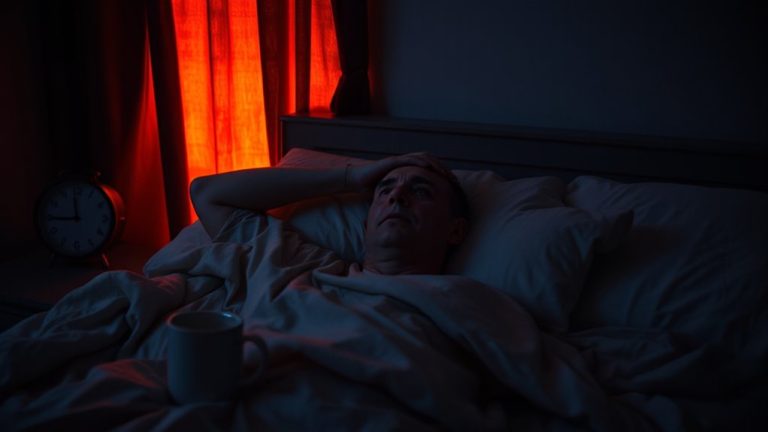
Jet Lag Recovery Plan: Strategies for Night Shift Workers Adjusting to Daytime Routines
You’re tired because night shifts disrupt your natural rhythm, but you can reset it. Use bright light during work to stay alert, then wear sunglasses afterward to ease the shift. Sleep in a cool, dark room with blackout curtains and white noise. Eat light snacks, skip heavy meals, and avoid caffeine 3–4 hours before bed. A short nap early in your shift helps, and a consistent wind-down routine signals rest. You’ll find more ways to balance your schedule and well-being.
Notable Insights
- Adjust circadian rhythms by using bright light during night shifts and wearing sunglasses during morning commutes.
- Prioritize daytime sleep with blackout curtains, cool temperatures, and white noise to mimic nighttime conditions.
- Establish a wind-down routine with relaxation techniques to signal the body it’s time to sleep.
- Time meals and caffeine wisely: eat light snacks during shifts and avoid caffeine 3–4 hours before bed.
- Take short, early naps of 20–30 minutes to boost alertness without disrupting daytime recovery sleep.
Why Your Body Hates Night Shifts

Your body runs on a natural rhythm called the circadian clock, and it’s built to stay awake during the day and sleep at night. When you work nights, that rhythm gets disrupted, leading to hormonal imbalance that affects mood, metabolism, and alertness. Melatonin, which helps you sleep, is suppressed by light exposure at night, making rest harder. Cortisol, a hormone tied to wakefulness, may peak at the wrong times, leaving you groggy or overstimulated. You may also face social isolation, since your schedule doesn’t match family or friends. This lack of connection can deepen fatigue and affect long-term well-being. Sleep disorders like shift work sleep disorder become more likely. To cope, consider structured sleep routines and proven sleep aids, but test options carefully and consult a healthcare provider. Look for products with clear trial periods and safety data. For improved rest during daytime hours, using effective noise masking options can minimize disruptions from environmental sounds.
Use Light to Reset Your Body Clock

Although your circadian rhythm resists change, using light strategically can help shift your internal clock over time. When you’re awake at night for work, expose yourself to bright light, especially blue light, to signal your brain that it’s daytime. This helps suppress melatonin and boosts alertness during your shift. But once your shift ends, wear sunglasses on your way home to limit sunlight exposure, which could otherwise confuse your body. At home, make your bedroom as dark as possible using blackout curtains. They block outside light effectively, creating a nighttime environment that supports sleep. Consistent use of light cues helps your body gradually adjust to a reversed schedule. Over days, your internal clock will start aligning with your new routine. Results vary, but most people notice improvements in sleep quality and alertness within a week or two. For optimal darkness, consider the best blackout curtains for nurseries, which are designed to block nearly all light and create a sleep-conducive environment.
Wind Down the Right Way After Work

After a long night shift, your body needs time to shift into rest mode, so establishing a consistent wind-down routine can make a real difference in how quickly and deeply you fall asleep. Start with simple relaxation techniques like gentle stretching or listening to calm music, which help signal your brain that it’s time to rest. Incorporate breathing exercises-such as inhaling slowly for four counts, holding for four, and exhaling for four-to reduce stress and lower heart rate. Avoid screens and bright lights, as they can interfere with your body’s shift. Keep the routine quiet and predictable, done in the same order each time. This consistency strengthens your body’s ability to recognize when sleep is coming. Over time, these small steps support better sleep regulation, making recovery more effective without relying on sleep aids. Using a high-quality sleep mask can further enhance darkness and improve sleep quality, especially during daytime hours, with top options including the best sleep masks for a restful night’s sleep.
Sleep Better During the Day: Recovery Tips
How do you make daytime sleep as restful as nighttime rest when your schedule flips the usual rhythm? Start by optimizing your sleep environment. Use blackout curtains or a sleep mask to block sunlight, signaling your brain it’s time to rest. Keep the room cool and comfortable, ideally between 60–67°F. Noise control is key-consider using a white noise machine or earplugs to drown out daytime sounds like traffic or neighbors. Choose a mattress and pillow that support your preferred sleep position to prevent discomfort. If you struggle with falling or staying asleep, consult a healthcare provider to discuss possible sleep disorders. Some may benefit from short-term use of sleep aids, but weigh effectiveness, side effects, and dependency risks. Trial different solutions and stick with what improves your sleep quality over time.
Schedule Meals and Caffeine for Peak Alertness
When should you eat or reach for caffeine to stay alert during your night shift? Proper meal timing helps maintain energy without disrupting your rhythm. Eat a balanced meal before starting your shift, then smaller snacks every few hours to sustain focus-avoid heavy, greasy foods that can slow you down. For caffeine scheduling, have your first drink at the start of your shift or just before, but stop intake at least 3–4 hours before bedtime to protect daytime sleep. Too much caffeine late in the shift can interfere with recovery. You’ll need to balance alertness with sleep readiness, so consider personal tolerance and experiment carefully. Track what works: some thrive with early caffeine, others prefer splitting intake. Smart meal timing and caffeine scheduling support performance and sleep health without relying on sleep aids.
Take Smart Naps to Stay Sharp
Why feel groggy halfway through your night shift when a well-timed nap could help you stay sharp? Short naps of 20 to 30 minutes can boost alertness without leaving you sluggish. These naps are most effective when taken before midnight or early in your shift, aligning with your body’s natural dip in alertness. Nap timing matters-avoid napping too late in the shift, or you might disrupt your post-work sleep. If you’re struggling to nap, consider a quiet, dark environment and limit screen exposure beforehand. While sleep aids exist, they aren’t always needed if you practice consistent nap timing. Short naps shouldn’t replace full sleep cycles but can bridge gaps in rest. Try tracking your naps and energy levels over a week to find your ideal window. This small adjustment can improve focus without interfering with daytime recovery.
Shift Back to Daytime Life Gradually
A gradual shift back to daytime sleep patterns can make recovery easier and more sustainable. Start your gradual change a few days before you switch to a daytime schedule by adjusting your sleep and wake times in 20- to 30-minute increments. This helps your body adapt without added stress. Align your meals, light exposure, and activity levels with your new rhythm to support routine alignment. Use dim lighting in the evening and bright light in the morning to signal your brain correctly. Avoid long daytime naps that might interfere with nighttime sleep. If you struggle, consider sleep aids only after consulting a professional-many have side effects or require a trial period. Track your progress over a week to see what works. Consistent adjustments improve performance and reduce sleep disorder risks over time.
On a final note
Your body can adjust to daytime routines after night shifts, but it takes time and consistency. Use bright light in the morning, dim lights at night, and keep your sleep schedule regular. Try naps, manage caffeine, and eat meals at consistent times. If sleep problems continue, consider talking to a doctor or testing for sleep disorders. Some find sleep aids helpful, but check with a professional first-especially for long-term use.