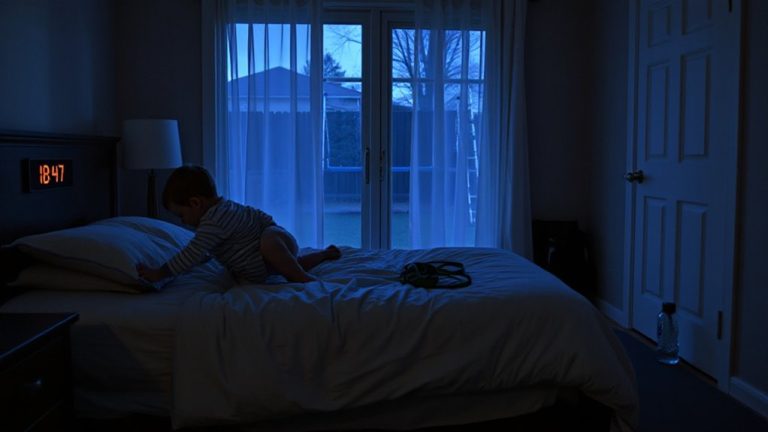
Why Advanced Sleep Phase Disorder Is Often Misunderstood as Early Aging
You might think your early sleep and wake times are just part of aging, but they could signal Advanced Sleep Phase Disorder. ASPD shifts your internal clock forward, making you tired by 6 or 7 p.m. and awake by 3 a.m., often years before age-related changes begin. It’s genetic, not just habit, and differs from normal aging. Light therapy and timed melatonin can help-knowing the difference guides better choices. There’s more to contemplate if your rhythm feels out of sync.
Notable Insights
- Advanced Sleep Phase Disorder causes early sleep and wake times that resemble age-related sleep changes, leading to misattribution.
- Symptoms like early evening tiredness and morning awakening overlap with normal aging patterns in older adults.
- Healthcare providers often assume shifted sleep schedules are part of aging, not a circadian disorder.
- ASPD can begin in midlife, years before significant age-related sleep changes typically occur.
- Lack of awareness about ASPD’s genetic basis contributes to confusion with natural aging processes.
What Is Advanced Sleep Phase Disorder?
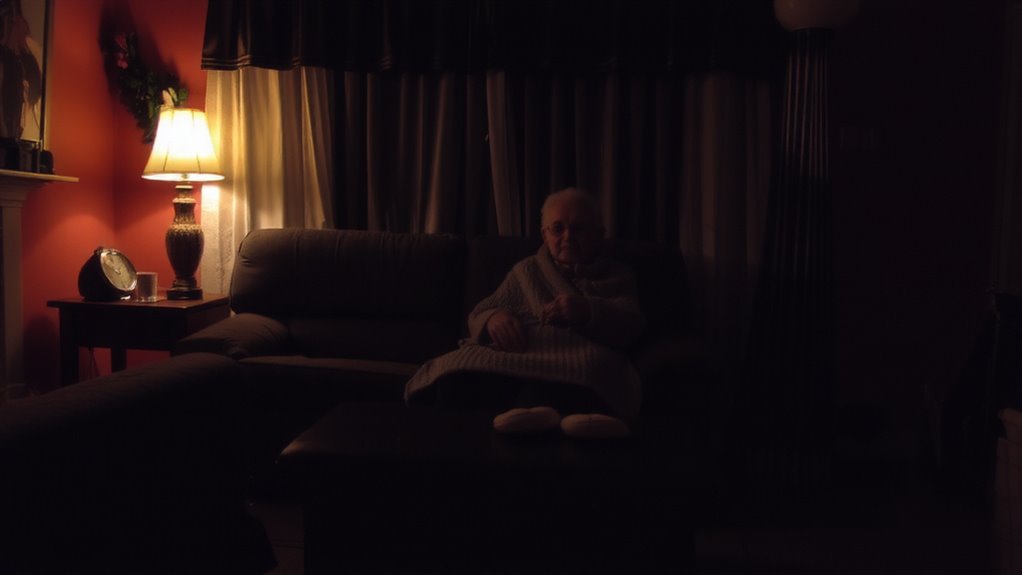
While most people worry about falling asleep too late, you might find yourself getting tired earlier than usual, sometimes as early as 6 or 7 p.m., which could be a sign of advanced sleep phase disorder (ASPD). This condition shifts your sleep patterns several hours ahead, making you feel sleepy early in the evening and wake up too early in the morning. It’s not just habits or aging-research shows genetic factors play a role, especially if a family member has similar timing issues. Though not harmful on its own, ASPD can disrupt daily life if your rhythm doesn’t match work or social schedules. You may consider tracking your routine for consistency or consulting a specialist to explore options like light therapy or melatonin under medical guidance. Trials with timing adjustments are often low-risk, and many find relief with structured support. Understanding your body’s cues helps you make informed choices.
How Circadian Rhythms Cause ASPD
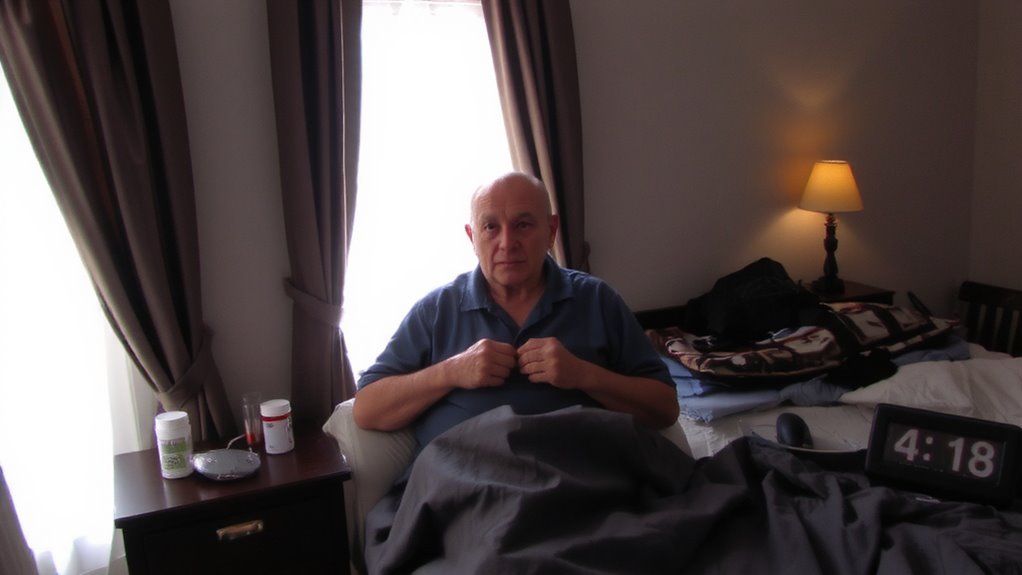
Your body runs on a natural timer-the circadian rhythm-that helps control when you feel awake or tired, and in advanced sleep phase disorder (ASPD), this internal clock shifts forward by several hours. This shift isn’t just habit-it’s often tied to genetic predisposition and heightened light sensitivity. Even small changes in evening light exposure can trick your system into feeling sleepy earlier. Family history plays a role, with many reporting relatives with similar patterns.
| Feature | Detail |
|---|---|
| Onset Time | Sleepiness begins 2–6 hours early |
| Genetic Link | Strong, often runs in families |
| Light Sensitivity | Increased response to dusk cues |
| Usual Cause | Misaligned internal clock |
Understanding these factors helps guide choices about light therapy, sleep scheduling, or discussing options with a specialist.
Beyond Early Nights: Other Signs of ASPD
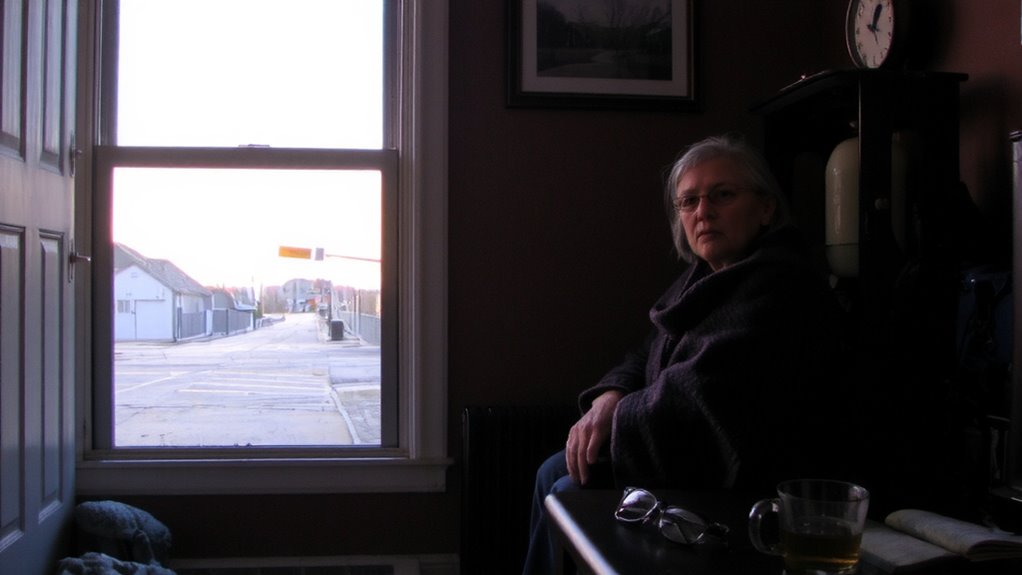
Sleep patterns aren’t the only thing that shifts with Advanced Sleep Phase Disorder-your whole daily rhythm can feel out of sync with the world. You might feel alert in the early evening but sluggish by mid-morning, making social plans and work demands tough to manage. This shift isn’t just habit; it can stem from a genetic predisposition, often running in families. Your body’s internal clock responds differently to light exposure, advancing your natural cycle. Mornings may bring fatigue even after eight hours, while evenings feel unnaturally energetic too soon. Recognizing these patterns helps distinguish ASPD from poor sleep hygiene. Consider tracking your symptoms for two weeks, noting sleep times and energy levels. Light therapy in the evening or timed melatonin might help, but consult a sleep specialist to review options based on your biology and lifestyle.
Why Doctors Mistake ASPD for Normal Aging
Why do so many older adults get labeled as “just aging” when they’re actually living with Advanced Sleep Phase Disorder? You might notice your sleep patterns shifting years earlier than expected, falling asleep at 7 or 8 p.m. and waking up by 3 a.m., but doctors often chalk it up to normal aging. The truth is, these changes aren’t always age-related-they can stem from Advanced Sleep Phase Disorder. Hormonal changes do affect sleep, yes, but they don’t fully explain such dramatic shifts in timing. When your internal clock advances, it alters your natural rhythm in ways that go beyond typical aging. Since symptoms overlap with what’s considered “normal” later in life, many physicians overlook ASPD. Understanding the difference helps you ask better questions. If early sleep and wake times disrupt your daily life, it’s worth exploring further-because it might not be age, but your circadian biology, that needs attention.
When ASPD Is Misdiagnosed: Real Consequences
What happens when a condition like Advanced Sleep Phase Disorder gets missed or mistaken for something else? You might face social stigma, seen as “just retiring early” or “not keeping up,” when in reality, your body clock is shifting ahead. That misunderstanding often leads to treatment delays, letting symptoms disrupt work, relationships, and daily routines longer than necessary. Without proper recognition, you’re less likely to seek help or get accurate guidance. Mistaking ASPD for normal aging means missing chances to adjust light exposure, routines, or sleep environments effectively. You might try sleep aids unnecessarily, not knowing your natural rhythm is the root cause. Recognizing the real issue helps you make informed choices. You can explore timed light therapy or schedule tweaks with your doctor, avoiding ineffective fixes. Clarity supports better decisions-about when to sleep, when to act, and when to ask for help.
How to Treat ASPD Once Diagnosed
If you’ve been diagnosed with Advanced Sleep Phase Disorder, timing becomes your most powerful tool for managing symptoms. Light therapy in the early evening helps delay your internal clock by exposing you to bright light, typically 10,000 lux for 30 to 60 minutes. This shifts your sleep window later, making it easier to stay awake into the evening. Consistency matters-use the light box at the same time each day. Your doctor might also discuss medication options, like low-dose melatonin taken in the morning or afternoon to adjust your rhythm. These aren’t instant fixes; they require tracking your sleep patterns over weeks. Some medications come with a short trial period or come under medical supervision due to possible side effects. Performance varies from person to person, so keep a sleep diary. Always consult your provider before starting any treatment.
On a final note
You might mistake ASPD for normal aging, but it’s a real circadian rhythm disorder with specific timing-not just early bedtimes. Signs include consistent sleep onset before 8:30 p.m. and early waking, often before 5 a.m. Doctors overlook it, assuming it’s age-related. If untreated, it disrupts daily life. Light therapy, strict sleep schedules, and melatonin can help reset your rhythm. Talk to a sleep specialist, track your pattern for a few weeks, and consider a sleep study. Treatments are adjustable, and many find relief with small, consistent changes.