The Benefits of a Cool, Dark Bedroom for Reducing Inflammatory Markers and Improving Sleep
You’ll sleep better and lower inflammation by keeping your bedroom cool, ideally between 60–67°F (15.5–19.5°C), which helps your core temperature drop naturally. A dark room boosts melatonin, reducing oxidative stress and calming immune overactivity. Use blackout curtains or an eye mask, and pair breathable bedding with a medium-firm mattress for support. HEPA purifiers and low-VOC materials improve air quality. Track sleep patterns with reliable monitors, many offering trial periods and warranties to test what works best for you.
Notable Insights
- A cool bedroom (60–67°F) lowers core body temperature, supporting deeper sleep and reducing pro-inflammatory cytokines.
- Complete darkness boosts melatonin production, which decreases oxidative stress and acts as a natural anti-inflammatory.
- Consistent cool and dark environments improve sleep efficiency, helping regulate immune function and reduce chronic inflammation.
- Blackout curtains or eye masks block light that suppresses melatonin, enhancing sleep quality and hormonal balance.
- Lower nighttime temperatures and reduced light exposure are linked to decreased CRP levels and better overall sleep continuity.
How Cool Temps and Total Darkness Boost Sleep Quality
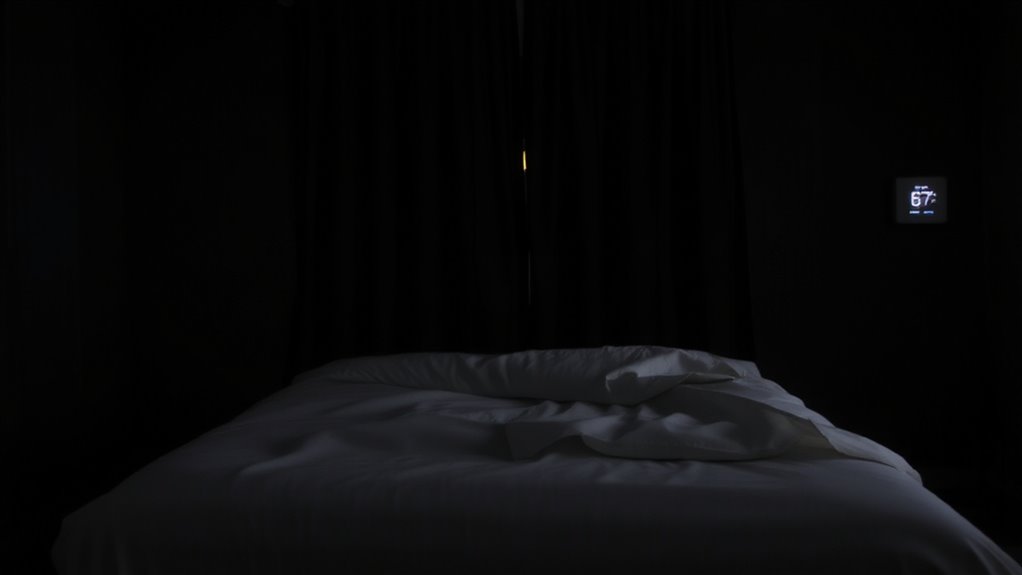
While your body naturally cools down as bedtime approaches, keeping your bedroom cool and completely dark can make it easier to fall asleep and stay asleep through the night. This environment supports stable sleep cycles by helping your brain shift smoothly from wakefulness to deeper stages. In darkness, your brain produces melatonin more efficiently, which influences brain waves linked to drowsiness and rest. Cooler temps help maintain slower brain waves needed for consistent rest, reducing nighttime awakenings. Disruptions in light or heat can fragment sleep cycles, affecting how well you recover mentally and physically. For those exploring sleep aids or strategies to improve rest, focusing first on temperature and light control is practical, low-cost, and effective. Many find better results before turning to supplements or devices. Consider trying a breathable mattress topper or blackout curtains, often backed by trial periods, to test what works best for your sleep quality. A supportive pillow, such as the DreamCloud memory foam pillow, can further enhance spinal alignment and comfort for undisturbed sleep.
What Your Ideal Sleep Temperature Should Be
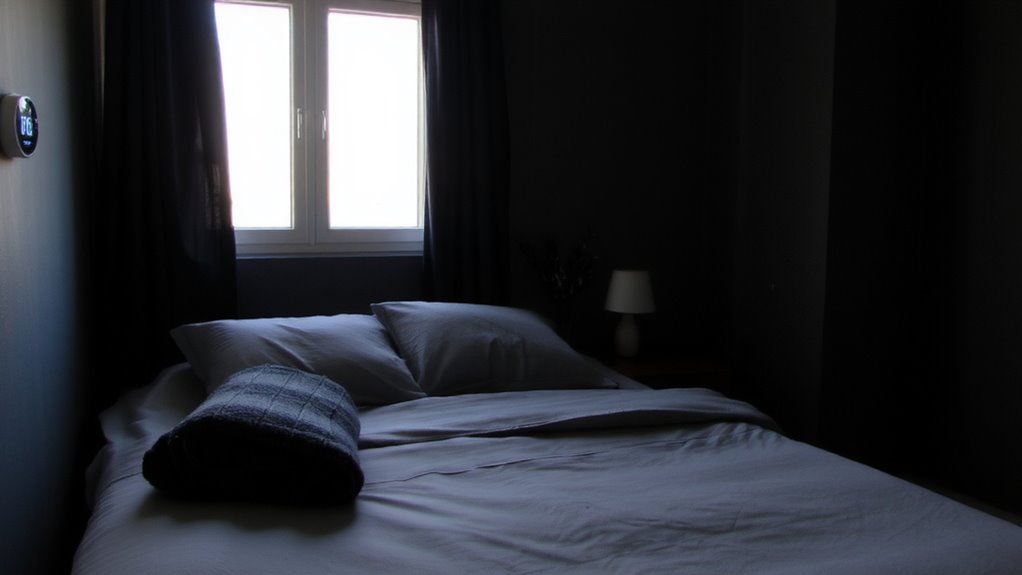
If you’re aiming for better sleep, most experts agree your bedroom should stay between 60 and 67 degrees Fahrenheit, a range shown to support both falling asleep quickly and staying asleep through the night. This is considered the ideal temperature for most people, helping your body naturally cool down as it prepares for rest. When your room is within this range, you’re more likely to experience deeper sleep and fewer nighttime awakenings. Studies link this temperature zone to improved sleep efficiency, meaning you spend more time asleep while in bed. Your body’s internal clock responds well to consistent, cool settings, especially when combined with darkness. Some find slight adjustments-like adding breathable bedding or using a fan-help maintain comfort. Trial different temps within the range to see what works best. Many modern thermostats let you program settings, making it easier to maintain conditions night after night.
How Melatonin Fights Inflammation While You Sleep

You keep your bedroom cool and dark to support deeper sleep, and that environment does more than help you drift off-it also sets the stage for your body to repair itself. In this ideal setting, your brain boosts melatonin production, a hormone that doesn’t just regulate sleep but also acts as a powerful antioxidant. Melatonin helps reduce oxidative stress, which lowers inflammation throughout your body. It supports cellular repair by calming immune responses and protecting tissues while you sleep. This nightly process may improve long-term health, especially if you struggle with chronic inflammation or sleep disruptions. Choosing blackout curtains or a sleep mask can enhance melatonin production, while avoiding screens before bed helps maintain its natural release. You don’t need supplements if your sleep environment supports your body’s own rhythms. Over time, consistent, high-quality sleep in a cool, dark room strengthens your body’s ability to heal and stay balanced. A well-designed nighttime eye mask can further optimize darkness and improve sleep quality.
How Cooling Your Bedroom Reduces Inflammation
When your body sleeps in a cooler room-ideally between 60 and 67 degrees Fahrenheit-it triggers natural thermoregulation that supports deeper rest and lowers core temperature, a process linked to reduced inflammation. This dip in temperature helps modulate your immune response, preventing it from becoming overactive and producing excess inflammatory markers. At the same time, cooler conditions promote cellular repair by supporting ideal hormone levels and metabolic activity during sleep. You may find that maintaining this range improves sleep quality, especially if you struggle with restlessness or waking up too warm. While individual needs vary, many people benefit from breathable bedding and lightweight pajamas to stay within this ideal range. Simple adjustments like using a fan or adjusting the thermostat can make a measurable difference. Consider trying a cooling pad or temperature-regulating mattress topper if needed-many come with trial periods to test effectiveness. For enhanced climate control, consider investing in one of the best cooling devices designed for optimal sleep comfort, such as top cooling devices.
Create a Sleep-Optimized Room: Light, Air, and Setup
Cooling your bedroom sets the stage for better rest, but getting the full benefit means pairing temperature control with smart room design. Good air quality supports steady breathing and reduces nighttime disruptions, especially if you use a HEPA air purifier or keep windows ventilated when safe. Choose natural fiber bedding and low-VOC paints to minimize irritants. Your mattress support matters just as much-opt for a medium-firm option that aligns your spine and reduces pressure points. Memory foam and hybrid models often provide balanced support, while innerspring offers breathability. Check warranty length and trial periods when buying, since personal comfort varies. Keep clutter minimal to maintain airflow and a calm atmosphere. A fan or quiet HVAC system can help regulate both temperature and air circulation. Together, these elements create a stable, rest-friendly environment that supports long-term sleep health.
Block Light to Maximize Melatonin and Sleep Depth
Though your body’s natural sleep cycle depends on many factors, keeping light out of your bedroom is one of the most effective ways to support deep, restful sleep. Light blocking helps maintain ideal melatonin levels, the hormone that regulates sleep. Even small amounts of light from streetlights or electronics can disrupt this process, making it harder to fall and stay asleep. Blackout curtains are a practical solution, designed with dense, layered fabric that blocks nearly all incoming light. They also help regulate room temperature, adding another benefit for sleep quality. When shopping, look for curtains labeled “true blackout” and check customer reviews for performance notes on light sealing and durability. Many come with warranties or trial periods, so you can test their effectiveness. Installing them properly-ensuring they overlap the window frame and reach the floor-maximizes their light blocking power and supports deeper, more restorative sleep.
Key Sleep and Inflammation Metrics to Monitor
Why do some people wake up feeling refreshed while others feel drained, despite similar hours in bed? The answer often lies in the quality of your sleep and your body’s inflammatory response. Monitoring key metrics helps you understand what’s really happening at night. Sleep duration matters, but so does sleep continuity and depth. High stress levels can increase inflammation, disrupting rest even if you stay in bed for eight hours.
| Metric | Why It Matters |
|---|---|
| Sleep duration | Affects recovery and immune function |
| CRP (C-reactive protein) | Indicates systemic inflammation |
| Cortisol levels | Reflects stress levels and circadian rhythm |
Tracking these gives insight into how well your environment supports rest. A cool, dark bedroom helps regulate these markers. Consider using wearable devices or home tests during a two-week trial period. Results can guide choices about sleep aids or changes to your routine, backed by real data. Look for tools with warranties or free app trials to test usability.
On a final note
You’ll sleep better in a cool, dark room, which helps lower inflammation and improve melatonin production. Aim for around 65°F and block all light with blackout curtains. Choose breathable bedding and consider a fan or cooled mattress pad for consistent comfort. These changes support deeper sleep and reduce inflammatory markers over time. Test adjustments for at least two weeks, and look for sleep trackers that monitor heart rate variability and rest quality to gauge progress.