Using Passionflower to Reduce REM Sleep Behavior Disorder Symptoms
You can use passionflower to help ease REM sleep behavior disorder symptoms by supporting calm brain activity during sleep. It may boost GABA function, reducing nighttime movements and vocalizations. Capsules or tinctures offer reliable dosing, typically 200–400 mg before bed. While research is limited, some find it improves sleep quality when used carefully. Always talk to your doctor first, especially if taking other medications. There’s more to explore about how it fits into your overall sleep strategy.
Notable Insights
- Passionflower may help reduce REM sleep behavior disorder symptoms by supporting GABA activity in the brain.
- It acts as a mild sedative, potentially decreasing nighttime restlessness and dream enactment behaviors.
- Flavones in passionflower interact with GABA receptors to calm overactive neural signals during sleep.
- Standardized capsules or alcohol-based tinctures are preferred for reliable dosing and absorption before bedtime.
- Consult a healthcare provider before use, especially due to possible interactions with sleep or neurological medications.
What Is REM Sleep Behavior Disorder (RBD)?

Have you ever acted out your dreams-talking, flailing, or even falling out of bed-without realizing it? That’s a sign of REM Sleep Behavior Disorder (RBD), a condition where your muscles don’t fully relax during REM sleep. Normally, your body experiences temporary paralysis to prevent movement while dreaming, but in RBD, this mechanism fails, leading to dream enactment. Unlike sleep paralysis-which occurs when you’re waking and can’t move-RBD happens during sleep and may pose injury risks. Symptoms often start mildly but can worsen over time. Doctors use sleep studies to confirm abnormal muscle activity during REM. While RBD is distinct from other disorders, it’s sometimes linked to neurological conditions. Recognizing early signs helps in seeking timely care. Treatment focuses on safety and may include medication, though natural approaches are sometimes explored. Always consult a sleep specialist before trying new remedies.
Can Passionflower Help With RBD Symptoms?
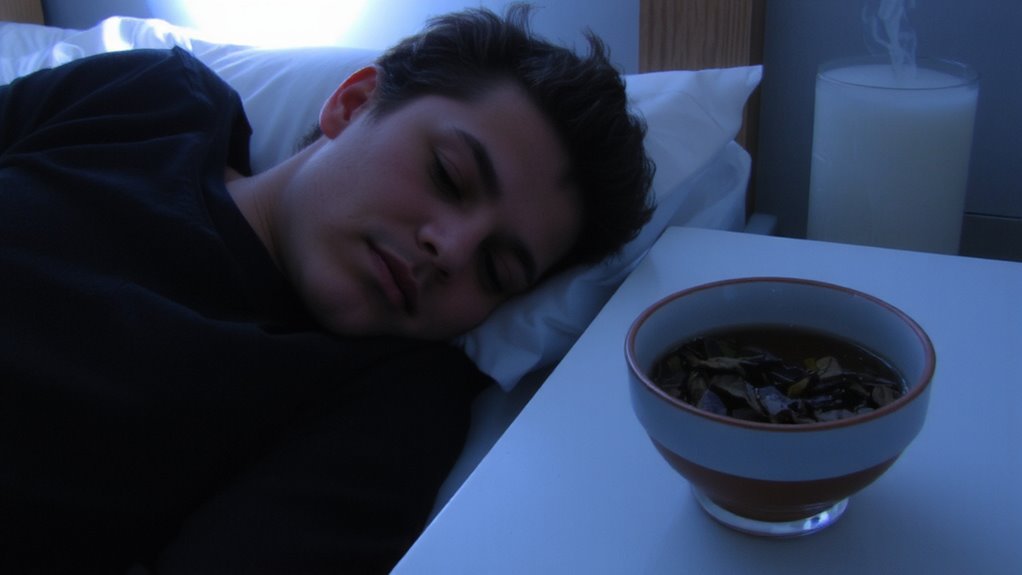
Could a calming herb offer any real support if you’re dealing with the disruptive movements of REM sleep behavior disorder? Some early research suggests passionflower might help, though evidence isn’t conclusive yet. It may influence brain chemistry by supporting GABA activity, which plays a role in calming neural excitement during sleep. While not a proven treatment for RBD, its mild sedative properties could reduce nighttime restlessness for some. You should consider potential herbal interactions, especially if you’re taking medications for sleep, anxiety, or neurological conditions. Passionflower can intensify the effects of central nervous system depressants, so combining it carelessly raises risks. It’s available in teas, tinctures, and capsules, often in blends. Talk to your doctor before trying it, particularly to review safety and proper dosing. Monitoring your response over a short trial period can help determine if it’s worth continuing.
How Passionflower Calms the Nervous System
A natural compound in passionflower, called flavone, may help quiet overactive brain signals tied to sleep disruptions. You’ll find it supports nervous system relaxation by interacting with GABA receptors, which regulate brain activity. This action can ease nighttime restlessness and improve sleep quality. Passionflower also contributes to anxiety reduction, helping calm racing thoughts that often interfere with falling or staying asleep. When your nervous system isn’t on high alert, you’re more likely to experience deeper, more restorative rest. These effects aren’t immediate but may build over consistent use. You’ll want to monitor how your body responds, especially if combining it with other sleep aids. It’s generally well-tolerated, though mild drowsiness or dizziness can occur. The key benefit lies in its gentle support for natural sleep cycles without strong sedation. Always consult your healthcare provider before starting any new supplement. Some individuals combine passionflower with best melatonin gummies for enhanced sleep support.
Best Passionflower Forms for RBD
The most effective forms of passionflower for REM sleep behavior disorder (RBD) tend to be those with standardized extracts, since they offer consistent levels of active compounds like flavones. You’ll want to prioritize extract potency, as it guarantees you’re getting a reliable dose of the calming compounds linked to nervous system support. Capsules are often preferred due to their precise dosing and capsule convenience-no measuring or bitterness. Alcohol-based tinctures work quickly and let you adjust dosage drop by drop, though some find the taste strong. Tablets and loose herb teas are options, but they may lack consistent extract potency. When choosing, check labels for flavone content and extraction method-often 15:1 or 20:1 ratios signal concentrated extract. Look for third-party tested products with clear trial or return policies. This helps you test safely, knowing you can return if it doesn’t suit your needs.
Recommended Dosage and Timing for RBD
Typically, you’ll want to start with a low dose of passionflower and adjust as needed, since individual responses can vary. For RBD, most people begin with 200–400 mg of passionflower extract about 30 to 60 minutes before bedtime. Using standardized supplements helps guarantee dosage accuracy, which is key for predictable results. You’ll likely take it in capsule or tincture form, depending on your preference and routine. Timing consistency matters-taking it at the same time each night supports stable sleep patterns and improves symptom tracking. Some find benefit with split dosing: half in the evening and half right before bed, though full bedtime dosing is more common. Always follow label instructions or professional guidance. Monitor how you feel over two to three weeks, adjusting only slightly if needed. Keeping a sleep journal helps link changes to your passionflower use.
Passionflower Safety and Side Effects
While passionflower is generally well tolerated, you should know possible side effects and safety considerations before using it for REM sleep behavior disorder. You might experience mild drowsiness, dizziness, or stomach upset, especially at higher doses. Though short-term use appears safe for most, the long term safety of passionflower hasn’t been well studied, so ongoing use should be monitored. You should also watch for herb interactions-passionflower can interact with other sedatives, including benzodiazepines, antidepressants, or supplements like valerian and kava, potentially increasing drowsiness or affecting mental alertness. If you’re on any medications, talk to your healthcare provider first. Pregnant or breastfeeding individuals should avoid it due to insufficient safety data. You’re better off starting low, seeing how your body responds, and adjusting carefully while watching for any unwanted effects.
Pairing Passionflower With RBD Treatments
Since you might already be using conventional treatments for REM sleep behavior disorder, adding passionflower into your routine could offer complementary support, but it’s best to approach it as part of a broader, well-coordinated plan. You should talk to your doctor before combining it with medications like clonazepam, as interactions can happen. Passionflower may help calm nighttime brain activity, possibly reducing dream-related movements. Pairing it with consistent dream journaling can help you track patterns and identify triggers over time. It’s also smart to maintain a safe, quiet sleep environment-padding the floor, moving furniture, and using bed rails if needed. While passionflower isn’t a replacement for medical treatment, it might enhance overall sleep quality when used alongside other strategies. Watch for drowsiness or dizziness, especially at first. Regular follow-ups with your care team help safeguard safety and effectiveness.
On a final note
You might find passionflower helpful for easing RBD symptoms, as it gently calms your nervous system. It comes in teas, tinctures, and capsules, each with different absorption speeds. Start with a low dose-like 200–400 mg-30 to 60 minutes before bed, and watch how you respond. While generally safe, it can interact with medications, so talk to your doctor first.