Linking Bed Frame Stability Directly to Reduced Motion Transfer Complaints
A wobbly bed frame transfers more motion because loose joints and uneven legs let vibrations travel across the sleep surface. When you move, that shake can disturb your partner. But a stable frame with tight connections, cross bracing, and solid materials reduces that transfer by keeping movement contained. Metal platform or reinforced wood frames often perform better. Check for rigidity by testing corners-if it wobbles, it’s likely increasing disturbances. Upgrading the frame may help more than switching mattresses. Better stability means fewer nighttime disruptions, and there’s more to learn about choosing the right one.
Notable Insights
- A stable bed frame minimizes motion transfer by preventing wobbling and maintaining consistent alignment during movement.
- Tight joints and reinforced corners reduce flexing, limiting the spread of vibrations across the sleep surface.
- Uneven legs or loose connections increase motion transfer, directly contributing to sleep disturbances for partners.
- Frames with cross bracing and solid construction contain movement at the source, reducing nighttime disruptions.
- Upgrading to sturdy materials like steel or solid wood with proper support lowers motion transfer complaints significantly.
Why Wobbly Frames Make Motion Worse
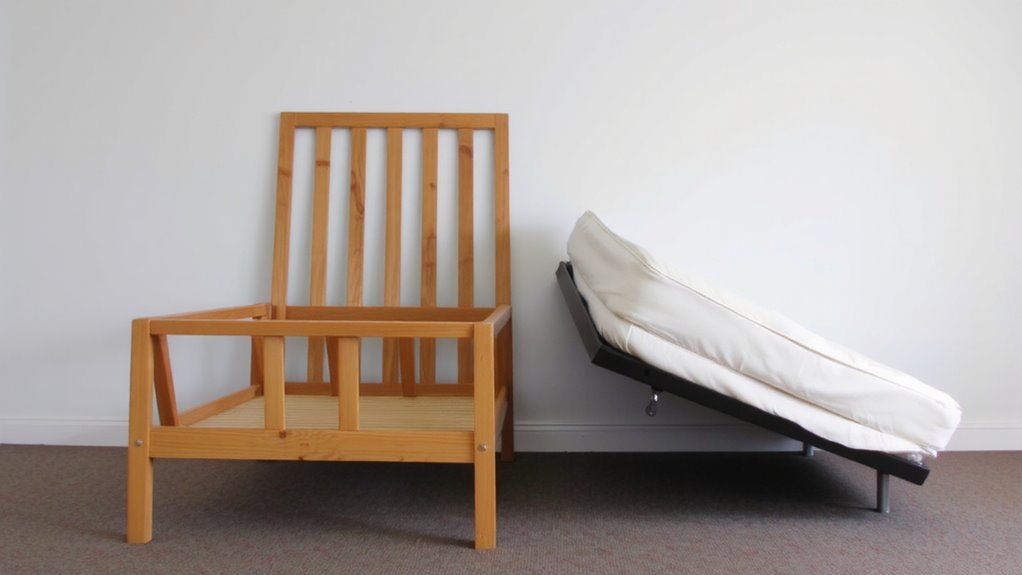
How much does your bed really move when you shift at night? More than you think-if your frame has loose joints or uneven legs. Those flaws create wobble, turning small movements into noticeable motion across the mattress. When one leg sits shorter than the others, it tilts the frame, straining connections and letting parts slip. Loose joints between slats or side rails worsen this, letting the structure rock instead of staying fixed. That extra movement doesn’t just creak-it transfers through the sleep surface, disturbing anyone nearby. Over time, this instability may disrupt sleep continuity, especially for light sleepers or those with sleep sensitivity. A solid foundation minimizes this by keeping everything aligned and secure. Look for frames with reinforced corners, adjustable leveling feet, and sturdy connectors. Check warranty terms that cover structural wear, and consider trying models with known stability. Small construction details make real differences in nighttime peace.
How Stable Bed Frames Stop Motion Transfer
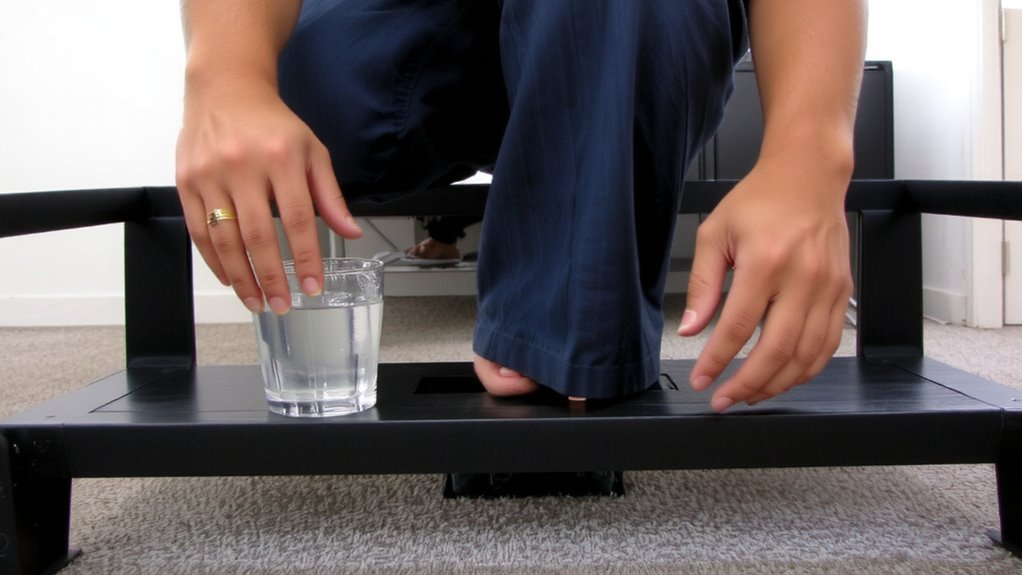
Even if you don’t notice the shift at first, a stable bed frame keeps motion where it starts-right under you. That’s because proper frame alignment prevents wobbling and uneven weight distribution, which can spread movement across the bed. With solid joint rigidity, the connections between frame pieces resist flexing, so when you roll over, the energy doesn’t travel to your partner’s side. A well-built frame acts like a solid foundation, minimizing vibrations and reducing disturbances. This matters if one of you moves more at night or deals with sleep disruptions. Frames with reinforced corners and secure fasteners maintain stability over time. Look for models with strong warranties and simple setup-many let you test them risk-free. You’ll notice fewer jolts and shifts, especially if alignment stays true and joints remain tight. Good support doesn’t fix every sleep issue, but it can reduce one common cause of nighttime wake-ups.
Which Frame Types Increase Disturbances
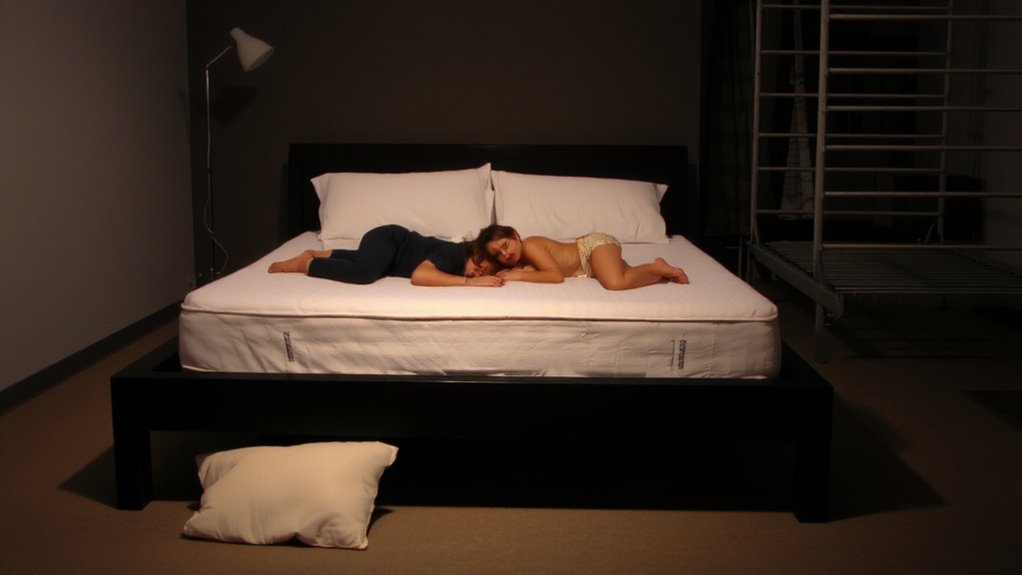
You might think all bed frames offer the same support, but the type you choose can actually make a difference in how much movement travels across the mattress. Frames with loose joints or built from weak materials tend to increase disturbances. These flaws let the structure shift easily, turning small motions into noticeable jolts. Over time, that can disrupt sleep patterns and worsen rest quality.
| Frame Type | Disturbance Risk |
|---|---|
| Metal platform | Low |
| Wood slat | Moderate |
| Folding guest bed | High |
| Basic metal frame | High |
| Upholstered base | Low to Moderate |
Loose joints in folding or basic frames weaken stability, while weak materials flex under pressure. These issues make motion transfer worse, especially for couples or light sleepers. Choosing a sturdy frame helps minimize disruptions night after night. A supportive mattress designed for adjustable bed compatibility can further reduce motion transfer by maintaining structural integrity across dynamic frame movements.
Features That Reduce Motion Transfer
Though stability starts with the frame type, specific features can make a real difference in limiting how much movement travels across your bed. A cross bracing design helps distribute weight evenly and prevents the frame from twisting under pressure. You’ll notice less bounce and shift when one side moves, which matters if you or your partner toss at night. Reinforced corners add extra stiffness where stress accumulates, cutting down on long-term wear and motion transfer. These features work together to keep the structure rigid without overcomplicating setup. Look for models that include both elements, especially if motion sensitivity is a concern. Many quality frames offer trial periods or warranties that let you test these benefits risk-free. Consider how your current sleep disruptions might improve with better construction. Small upgrades in design can support more consistent rest over time. A best bed frame for mattresses ensures proper support and minimizes motion transfer when paired with the right foundation.
Test Your Frame for Stability and Motion Control
How well does your bed frame handle movement when you shift positions at night? To test stability and motion control, sit on one corner and bounce lightly-notice how much the opposite side moves. Repeat from different angles. Excessive shake usually points to weak frame materials or poor assembly techniques. Sturdy steel or solid hardwood resists wobble better than particleboard or thin metal. Check all bolts and connectors; loose joints increase motion transfer. Frames with center support legs or cross-bracing typically perform better. If you hear creaking or feel shifting, re-tighten fasteners and guarantee the frame sits flat on the floor. Some brands offer trial periods, letting you test stability in real sleep conditions. A stable frame reduces disturbances, which may help minimize nighttime awakenings-important for light sleepers or those managing sleep disruptions. Adding high-quality anti-vibration pads can further isolate movement and enhance overall bed frame stability.
Why Upgrade Your Frame, Not Your Mattress
A solid foundation often makes the difference between restless nights and sound, uninterrupted sleep. Before upgrading your mattress, consider how your bed frame’s frame material and joint design impact stability and motion transfer. A reinforced steel or solid hardwood frame with interlocking joint design reduces wobble better than flimsy alternatives. Paired with your current mattress, a sturdy frame improves motion isolation without added cost.
| Feature | Weak Frame | Upgraded Frame |
|---|---|---|
| Frame Material | Thin metal or particleboard | Solid wood or steel |
| Joint Design | Screws only | Reinforced brackets or welding |
| Motion Transfer | High | Low |
Many quality frames include trial periods or long warranties, allowing risk-free testing. You might not need a new mattress-just a better base aligned with your sleep needs.
On a final note
You’ll sleep better when your bed frame stays steady, since a solid foundation reduces motion transfer across the mattress. Models with reinforced joints, low centers of gravity, and full perimeter support limit shifting and partner disturbances. Slatted or platform designs often outperform leg-only frames. Check for wobble by applying light pressure; if movement occurs, upgrades may help more than a new mattress. Many quality frames include warranties or trial periods, letting you test stability risk-free.