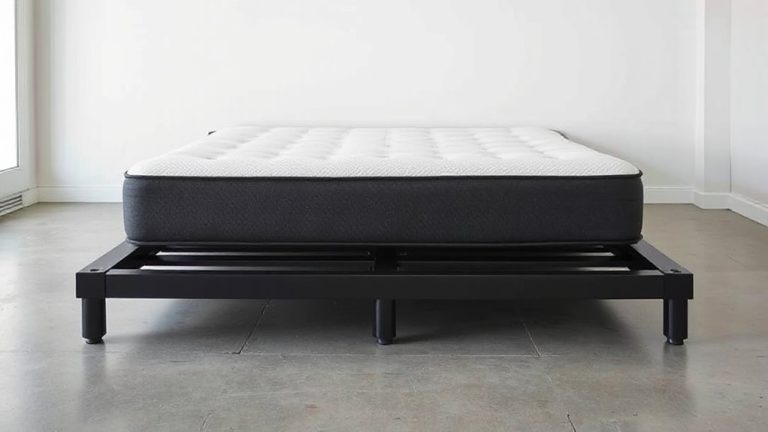
Best Natural Mattresses for a Cleaner, Healthier Sleep
You want a clean, healthy sleep, so choose a mattress with organic cotton, latex, and wool-materials that breathe and resist chemicals. Models like the Organic Hybrid or Awara Natural Hybrid use CertiPUR-US foam and GOTS-certified fabrics to limit toxins. Pocketed coils add support, while natural wool blocks flames without fiberglass. Many offer 100+ night trials and 20-year warranties. For kids or small spaces, slim designs like the Ethical Mattress Co 6” Twin work well-just know some need time to expand. You’ll find trade-offs in firmness, weight, and care, so consider your base, sleep position, and long-term comfort when deciding-each detail shapes how well you rest night after night.
We are supported by our audience. When you purchase through links on our site, we may earn an affiliate commission, at no extra cost for you. Learn more. Last update on 13th June 2026 / Images from Amazon Product Advertising API.
Notable Insights
- Choose mattresses with GOTS and GOLS certifications to ensure organic, non-toxic materials for a cleaner sleep environment.
- Opt for natural latex, organic cotton, and wool to create a breathable, chemical-free sleep surface without off-gassing.
- Select fiberglass-free, petrochemical-free mattresses with CertiPUR-US or GOLS certification for safer, healthier materials.
- Prioritize natural cooling with wool, bamboo, or gel-infused foams to regulate temperature and enhance sleep quality.
- Look for ethical production with Fair For Life or Global Recycled Standard certifications ensuring sustainability and fair labor practices.
Organic Hybrid Mattress Queen Size 14

If you’re a hot sleeper or live in a humid climate, the Organic Hybrid Mattress Queen Size 14 stands out for its cooling design, combining a breathable organic cotton cover with a gel-infused foam layer that pulls heat away from your body. I’ve found its 14-inch hybrid build, with pocketed coils, boosts airflow while reducing heat retention. The CertiPUR-US certified foam and GRS-compliant materials are fiberglass-free, which I appreciate for safety. A reinforced edge with 2.3mm coils adds durability and usable surface. Motion transfer stays low thanks to zoned support, and its medium-firm feel suits most sleepers without favoring one position.
Best For: Hot sleepers and those in humid climates seeking a safe, breathable, and supportive queen-size mattress with excellent temperature regulation and motion isolation.
Pros:
- Cooling design with gel-infused foam, organic cotton cover, and pocket spring system promotes airflow and reduces heat buildup
- Motion isolation and 7-zone support minimize disturbance for couples while providing balanced comfort for all sleep positions
- Durable, reinforced edge with 2.3mm coils enhances edge support and extends usable sleep surface
Cons:
- Medium-firm feel may not suit those preferring very soft or very firm mattresses
- Hybrid construction may result in heavier weight, making rotation or moving difficult
- Higher price point compared to non-organic or all-foam alternatives
Awara Natural Hybrid Full Mattress 10

I choose the Awara Natural Hybrid Full Mattress 10 when I need a balance of responsive support and natural materials, especially if I’m sensitive to heat or chemicals in conventional mattresses. It uses GOLS and FSC-certified organic latex and organic New Zealand wool, so it’s free from fiberglass and harsh chemicals. The quilted bamboo rayon and wool cover helps regulate temperature naturally. Eight inches of individually wrapped steel coils offer targeted support, reduce motion transfer, and improve airflow. It’s breathable and supportive, ideal for hot sleepers or those with back pain. I appreciate the 365-night trial and lifetime warranty-both start at delivery. Plus, each purchase funds 10 trees planted in Africa through Trees for the Future, adding a meaningful sustainability benefit.
Best For: People seeking a natural, chemical-free mattress with excellent temperature regulation, responsive support, and eco-friendly values, especially hot sleepers or those with sensitivities to synthetic materials.
Pros:
- Made with GOLS and FSC-certified organic latex and organic New Zealand wool, free from fiberglass and harsh chemicals
- Quilted bamboo rayon and wool cover provides natural cooling and soft comfort
- 8 inches of individually wrapped steel coils offer targeted support, reduced motion transfer, and enhanced breathability
Cons:
- Heavier than all-foam mattresses, which may make setup and moving more difficult
- Natural latex may have a slight initial odor, though it dissipates quickly
- Higher price point compared to conventional hybrid or memory foam mattresses
Sunrising 10″ Twin Natural Latex Mattress

The Sunrising 10″ Twin Natural Latex Mattress stands out as a strong choice for sleepers seeking natural materials and balanced support, especially those sensitive to chemicals or prone to overheating at night. I appreciate its three-layer build: Talalay latex tops a blend of Advanced Air Memory Foam and gel memory foam, all layered over 496 individually wrapped tempered steel coils. This design supports spinal alignment while reducing pressure on joints. The latex and cooling foams help regulate temperature, dispersing heat efficiently. Medium firmness offers comfort without sacrificing support. It’s certified non-toxic, includes a 20-year warranty, and comes with a 120-night trial-ideal for cautious buyers.
Best For: Sleepers who prefer natural, non-toxic materials and need a medium-firm, cooling mattress with excellent motion isolation and support.
Pros:
- Made with certified non-toxic, natural Talalay latex and cooling foams that dissipate heat for comfortable temperature regulation
- Hybrid design combines responsive latex, pressure-relieving memory foam, and 496 individually encased coils for targeted support and minimal partner disturbance
- Includes a 120-night trial and 20-year warranty, offering long-term confidence and risk-free testing
Cons:
- May feel too firm for those who prefer a plush, sinking feel commonly associated with traditional memory foam
- Twin size may not provide sufficient space for adults who need more room to move during sleep
- Natural latex construction can carry a higher price point compared to conventional foam or innerspring mattresses
Ethical Mattress CO Hybrid (Twin)

You’ll find the Ethical Mattress CO Hybrid (Twin) especially well-suited if you prioritize clean materials and durable construction in your sleep setup, since it’s built without petrochemical foams, fiberglass, or synthetic flame retardants that can off-gas or irritate. I’ve chosen organic cotton, wool, and natural latex for breathability and safety, and the wool acts as a natural fire barrier. The latex top layer eases pressure points, while pocketed coils support spinal alignment and reduce motion transfer. It’s made in New Jersey with high-density materials, weighs 55 lbs, and ships compressed. You get durability, airflow, and a toxin-free sleep surface-ideal for sensitive sleepers.
Best For: Sleepers who prioritize non-toxic, eco-friendly materials and durable, temperature-regulating comfort in a hybrid mattress.
Pros:
- Made with certified organic cotton, wool, and natural latex-free from petrochemical foams, fiberglass, and synthetic flame retardants
- Natural wool acts as a fire barrier, meeting safety standards without chemical treatments
- Pocketed coils provide excellent motion isolation, spinal support, and long-term durability
Cons:
- Weighs 55 lbs, making it heavier and more difficult to move or rotate than average twin mattresses
- Higher material density may result in a firmer feel, which might not suit those preferring a plush sleep surface
- Limited availability outside the U.S. due to domestic manufacturing in New Jersey
11″ Organic Cotton & Latex Mattress

Sleep matters most when it’s restorative, and for those prioritizing clean materials and balanced support, this 11-inch Organic Cotton & Latex Mattress delivers a natural solution. I choose it for its GOTS cotton cover, GOLS latex, and New Zealand wool-no fiberglass, polyfoam, or petrochemicals. The layered build includes pocketed coils for support and airflow, helping me stay cool. It feels firm yet responsive, good for back, side, or combo sleeping. Compressed for shipping, it expands quickly on a platform or adjustable base. Made in the USA, it offers durability without harsh chemicals, giving me confidence in a cleaner, well-supported sleep.
Best For: Eco-conscious sleepers seeking a natural, chemical-free mattress with balanced support and excellent breathability.
Pros:
- Made with certified organic and natural materials including GOTS cotton, GOLS latex, and New Zealand wool
- Breathable design with pocketed coils and wool interior for effective temperature regulation
- Durable, responsive support ideal for back, side, and combination sleepers; compatible with various bed bases
Cons:
- Firmer feel may not suit those preferring a plush, soft mattress
- Heavier once expanded, making setup and movement more challenging
- Higher price point compared to conventional polyfoam or hybrid mattresses
Pure Green Organic Latex Mattress – Medium Firmness – Queen
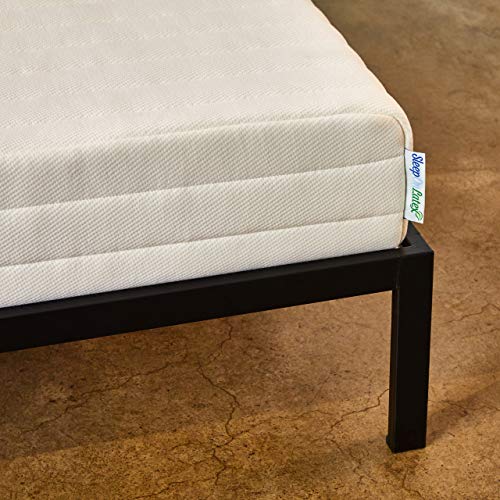
Choosing a natural mattress that supports healthy sleep means paying attention to materials, certifications, and how the feel matches your sleep style-and for side sleepers, back sleepers, or couples sharing a bed, this medium-firm organic latex option delivers balanced support and comfort. I appreciate its 8-inch core of GOLS-certified organic latex, which provides responsive, durable support. The quilted cover combines GOTS-certified organic cotton and wool, offering breathable temperature control and Fair Trade assurance. It’s made in Chicago, assembled and shipped plastic-free in a roll, ready to expand without setup. The construction supports airflow and motion isolation, helpful for uninterrupted rest.
Best For: Side sleepers, back sleepers, and couples seeking a medium-firm, eco-friendly mattress made with certified organic materials.
Pros:
- Made with GOLS-certified organic latex and GOTS-certified organic cotton and wool for a truly natural sleep surface
- Medium firmness provides balanced support and comfort for multiple sleep positions and partners
- Plastic-free, roll-compressed packaging and locally assembled in Chicago for reduced environmental impact
Cons:
- May be heavier than other mattresses, making movement or repositioning more difficult
- Natural latex may have a slight initial odor, though it dissipates quickly
- Higher price point compared to conventional non-organic mattresses
Pure Green Organic Latex Mattress – Firm – Twin
If you’re looking for a firm, natural mattress that supports proper spinal alignment while avoiding synthetic materials, the Pure Green Organic Latex Mattress – Firm – Twin stands out as a strong option. I appreciate its 8” core of GOLS Certified organic latex, which offers durable support ideal for back and stomach sleepers. The quilted cover, made of organic cotton and wool, adds softness without trapping heat. It’s GOTS and Fair For Life certified, so I know it meets strict environmental and ethical standards. Built in Chicago and shipped plastic-free, it arrives ready to use. Customers often report relief from pressure points, and its firm feel may help those with mild sleep posture issues.
Best For: Individuals seeking a firm, eco-friendly mattress made from certified organic materials that promotes spinal alignment and pressure relief.
Pros:
- Made with GOLS and GOTS Certified organic latex, cotton, and wool for a truly natural sleep surface
- Firm support ideal for back and stomach sleepers, promoting proper spinal alignment
- Plastic-free shipping and locally assembled in Chicago, appealing to environmentally and ethically conscious buyers
Cons:
- Heavy at nearly 90 pounds, making it difficult to move or rotate without assistance
- Firm feel may be too rigid for side sleepers or those preferring a plush mattress
- Higher price point compared to conventional non-organic twin mattresses
Ultra Soft Queen Mattress Topper – Bamboo Viscose

My ultra soft queen mattress topper made with bamboo viscose offers a cooling, gentle sleep surface ideal for hot sleepers or anyone with sensitive skin. I love how the bamboo-derived viscose feels cloud-like, adding cushioning that helps ease back pain while supporting proper spine alignment. The fabric pulls moisture away and breathes well, keeping me comfortable all night. It fits snugly over mattresses 8–20 inches deep thanks to deep, stretchy corners that stay in place. I can toss it in the washer, and it’s free of latex, formaldehyde, and harsh chemicals. After unboxing, I air it 48 hours or toss it in the dryer on low for 20 minutes to restore fluff. It’s backed by a satisfaction promise, so trying it feels risk-free.
Best For: Hot sleepers, individuals with sensitive skin, or anyone seeking a soft, cooling, and hypoallergenic mattress topper for enhanced comfort and back pain relief.
Pros:
- Made from bamboo-derived viscose for a luxuriously soft, cooling, and sweat-absorbent sleep surface
- Deep pocket design with stretchy corners securely fits mattresses 8–20 inches deep and stays in place
- Machine-washable, chemically safe (free of latex and formaldehyde), and easy to refresh after unboxing
Cons:
- Requires 48-hour airing or 20-minute tumble dry to fully fluff after unboxing, which may delay use
- May be too soft for those seeking firm support or pressure relief
- Bamboo viscose, while cooling, may not be as durable as other synthetic or natural fiber toppers over time
Japanese Traditional Tatami Mattress (100x200cm)

I appreciate a sleep surface that stays cool through the night, so I rely on the Japanese Traditional Tatami Mattress (100x200cm) when I need breathable comfort without overheating. Its rush grass (Igusa) surface lets air circulate, helping regulate temperature. The thickened design supports body contours evenly, balancing softness and firmness. I fold it into four for easy storage under my bed or take it camping-its portability works well for small spaces or travel. I use it as a guest bed, meditation mat or kids’ play surface. No setup’s needed; I just unfold and use. A quick wipe cleans most spills. Reinforced edges and tight stitching keep it durable. The natural weave and green trim fit most rooms.
Best For: People seeking a breathable, natural, and portable sleep or resting solution that suits small spaces, guests, or outdoor use.
Pros:
- Natural rush grass (Igusa) surface promotes airflow and keeps the sleep surface cool
- Foldable four-way design allows for easy storage, transport, and versatile use
- Durable construction with reinforced edges and simple maintenance for long-term use
Cons:
- Limited cushioning compared to plush mattresses, which may not suit all comfort preferences
- 100cm width is narrower than standard twin beds, offering less space for adults
- Natural materials may be sensitive to prolonged moisture or humidity, requiring careful placement
Ethical Mattress CO 6″ Twin Kid’s Mattress
The Ethical Mattress Co 6″ Twin Kid’s Mattress is an ideal choice for families prioritizing safe, natural materials without sacrificing support or breathability-especially those with young children using bunk or trundle beds where space and safety matter most. I’ve found it’s made in New Jersey with organic cotton, wool, and natural latex, plus pocketed coils for durable, responsive support. It uses no toxic flame retardants, fiberglass, or polyfoams-just wool as a natural fire barrier. The breathable design prevents overheating, and its slim 6-inch profile fits snugly in tight spaces. It ships compressed in a small box, making setup easy.
Best For: Families seeking a safe, non-toxic, and breathable mattress for children using bunk beds, trundles, or space-saving setups.
Pros:
- Made with organic cotton, wool, and natural latex-free from toxic flame retardants, fiberglass, and polyfoams
- Naturally breathable design with wool and cotton layers to regulate temperature and prevent overheating
- Slim 6-inch profile fits snugly in bunk beds, trundles, and platform beds, ideal for small spaces
Cons:
- Limited 6-inch thickness may not provide enough cushioning for children who prefer plush mattresses
- Natural materials may come at a higher price point compared to conventional foam mattresses
- Compression shipping may require time to fully expand and off-gas natural latex scent upon unboxing
Factors to Consider When Choosing a Natural Mattress
You’ll want to check the material composition first, since natural mattresses can include latex, wool, cotton, or plant-based foams, each affecting durability and comfort. Think about firmness level, edge support, and motion isolation-these influence how well you sleep, especially if you share the bed or move often. A good mattress also helps regulate temperature and should come with a solid trial period so you can test it risk-free.
Material Composition
Material quality shapes every night’s rest, and choosing a natural mattress means focusing on what’s inside. You’re better off with natural latex, organic cotton, and organic wool-they give you a clean, non-toxic sleep surface free from petrochemical foams, formaldehyde, and synthetic additives. Latex from rubber tree sap offers durable, responsive support and typically avoids heavy metals and off-gassing linked to synthetic options. Organic wool acts as a natural flame barrier, meeting safety standards without chemical retardants or fiberglass. Cotton and wool together boost breathability, helping regulate temperature so you stay cool. Look for GOTS and GOLS certifications-they confirm materials are organically grown and processed without harmful chemicals. These standards guarantee transparency and quality, giving you peace of mind. Choosing verified natural materials supports long-term comfort, cleaner air, and healthier sleep-simple trade-offs that add up.
Firmness Level
How firm should your natural mattress really be? Firmness affects spinal alignment and comfort, so choose based on your sleep position and body weight. Side sleepers usually need softer to medium firmness (3–6.5) to cushion shoulders and hips, while back and stomach sleepers often do better with firmer support (6–8) to keep the spine neutral. If you weigh less, a firm mattress may feel harder, while heavier individuals might sink more into soft layers, needing extra support. Natural latex varies-Dunlop tends to be denser and firmer than Talalay at the same rating. Some mattresses offer adjustable firmness, like reversible sides or swapable layers, giving you flexibility over time or for shared use. A medium-firm option (around 6–6.5) often balances comfort and support for most people. Trial periods help test firmness risk-free, so you can decide with confidence.
Edge Support
A well-supported edge can make a difference in how you use your mattress every day, especially if you sit on the side to put on shoes or share the bed with a partner who crowds the perimeter. Look for reinforced edge coils at least 2.3mm thick-they resist collapse and expand your usable sleep surface. Mattresses 8 inches or taller usually include stronger perimeter support to maintain shape. Individually wrapped pocket springs along the edges reduce sagging and offer better stability when sitting or sleeping near the border. While skipping foam encasement boosts airflow, it can weaken edge durability unless reinforced coils provide backup. High-density coil edges made with tempered steel, between 1.8mm and 2.2mm, add support and help the mattress last longer. These features work together to keep the edge firm, functional, and built to handle daily use without wearing down quickly.
Motion Isolation
You’ll likely notice less disturbance from a partner’s movements when a mattress is built to minimize motion transfer, especially if you’re sensitive to nighttime disruptions. Look for individually wrapped pocket springs-they’re designed to absorb motion and keep it from spreading across the surface. Multi-layered latex or foam constructions also help by dampening vibrations through responsive, dense materials like natural latex or gel-infused memory foam, which contain movement without sacrificing support. Layered designs with softer top materials over firmer cores localize motion effectively. Even the edges play a role: reinforced 2.3mm edge coils add stability and reduce shake near the perimeter. These features work together to reduce how much you feel when your partner shifts or gets up during the night. A strong trial period and warranty can let you test these benefits risk-free, helping you find a natural mattress that truly supports undisturbed rest.
Temperature Regulation
While staying cool at night depends on more than just your mattress, what it’s made of plays a key role in how well heat escapes and airflow circulates while you sleep. Natural materials like organic cotton, wool, and latex breathe well, helping your body release heat and moisture. These fibers let air move freely, reducing the chance you’ll overheat. Individually wrapped coils boost this effect by limiting compression that traps warmth. If you run hot, gel-infused memory foam can help pull heat away, though it’s not always natural. Avoiding synthetic foams and chemical treatments means less heat retention. Open-cell latex and breathable covers work together to move heat out and keep your surface balanced. You’ll sleep better when your mattress supports steady airflow and doesn’t hold onto warmth. Look for designs that combine smart materials with ventilation-your comfort depends on how well heat can escape.
Certifications Matter
When choosing a natural mattress, checking for certifications helps you verify what’s really inside and how it was made. Look for GOTS certification to confirm that cotton or wool is organically grown and processed without synthetic chemicals. If the mattress includes latex, choose one with GOLS certification, which guarantees the latex comes from organic sources and contains no petrochemical additives. For foam layers, CertiPUR-US means the foam is free from formaldehyde, heavy metals, and phthalates, supporting cleaner indoor air. Fair For Life certification shows fair wages and ethical treatment of workers across the supply chain. The Global Recycled Standard indicates the use of recycled materials and responsible manufacturing practices. These certifications don’t guarantee comfort, but they do offer transparency about materials, safety, and ethics-key factors when prioritizing health and sustainability in your sleep environment.
Sleep Position Match
How well does your mattress support your preferred sleep position? If you’re a side sleeper, choose a softer to medium-firm natural mattress that cushions your shoulders and hips while keeping your spine aligned. Back sleepers benefit from medium-firm support, with enough contouring to cradle the lower back and maintain neutral spinal alignment. Stomach sleepers need a firmer surface to prevent the hips from sinking too deeply, which can strain your spine over time. For combo sleepers, look for responsive natural materials like latex or pocketed coils that let you shift positions easily while still offering balanced support. Pressure relief matters most for side and back sleepers, while edge support and durability become key if you move often. Matching your mattress firmness and construction to your sleep posture helps reduce discomfort and supports healthier rest-without compromising on natural materials.
Trial And Warranty
You’ve matched your sleep position to the right firmness and materials, so now it’s time to think about how long you can test the mattress and what protection you have over time. Look for at least a 100-night trial, but consider brands offering 365 nights-it gives you a full year to assess comfort across seasons. Longer trials help you spot subtle changes in support or pressure relief. A solid warranty, ideally 15 to 20 years, shows the brand trusts its materials and craftsmanship. Some even offer lifetime coverage, protecting against structural defects as long as you own it. Make sure the trial includes free returns and a simple process-this removes risk if the mattress doesn’t work out. These features together give you room to truly test performance while safeguarding your investment over years of use.
Frequently Asked Questions
How Long Do Natural Mattresses Typically Last?
You can expect natural mattresses to last between 7 to 10 years with proper care. They’re built with durable materials like organic latex, cotton, and wool, which resist sagging better than synthetic foams. You’ll notice wear gradually, especially if you rotate it every few months. Most brands offer 10-year warranties, covering indentations over 1.5 inches, so check trial periods and coverage details before buying.
Are Natural Mattresses Safe for Pets?
Yes, natural mattresses are safe for pets-you won’t expose them to toxic flame retardants or synthetic foams. Made with organic cotton, wool, and latex, these materials resist odors and resist dust mites better than conventional options. Pets may claw or chew, so consider a durable, zip-off cover for easy cleaning. Most brands offer 10–25-year warranties and trial periods, letting you test durability. Check return policies and trial length before buying.
Can I Recycle My Old Natural Mattress?
You can recycle your old natural mattress, but options depend on its materials and local facilities. Latex, cotton, and wool components are biodegradable and often accepted by specialty recyclers. You’ll need to check with local waste handlers or mattress recyclers to confirm they take natural materials. Some manufacturers offer take-back programs, making disposal easier. Don’t assume curbside pickup applies-verify first to guarantee proper, eco-friendly recycling.
Do Natural Mattresses Have a Break-In Period?
Yes, you’ll notice a break-in period with natural mattresses, typically lasting a few weeks. As the materials settle, you’ll feel them soften and conform better to your body. Latex may feel firm at first, while wool and cotton layers relax with use. You’ll get the most accurate sense of comfort after sleeping on it nightly. Most brands suggest 21–30 days to fully adjust, so give it time before making changes.
Are Natural Mattresses Suitable for Camping?
You can use natural mattresses for camping, but they’re often too bulky and heavy for backpacking. If you’re car camping, a natural latex or wool-filled mattress pad works well, offering comfort and breathability. These materials resist moisture and odors, which helps outdoors. However, they cost more and need careful storage. Look for compact, durable options with trial periods, so you can test performance before committing.