The Effects of Evening Exercise on Sleep Onset in Kids
Evening exercise can help your child fall asleep faster, but timing and intensity matter. Vigorous activity within 2–3 hours of bedtime may raise body temperature and alertness, delaying sleep, especially if followed by screen time. Light to moderate exercise earlier in the evening supports natural circadian rhythms. Gentle stretching or calm movement close to bed can ease the shift to sleep. If your child seems restless afterward, adjusting the timing or type of activity might help-small changes can make a noticeable difference when trying different routines at home.
Notable Insights
- Evening exercise can delay sleep onset if done too close to bedtime, especially vigorous activity.
- Physical activity increases alertness and body temperature, potentially interfering with melatonin release in children.
- Exercising at least 1–2 hours before bed helps minimize sleep disruption and supports better sleep onset.
- High screen use after evening exercise can overstimulate the brain, worsening sleep delays in kids.
- Light or moderate activities like stretching or walking are less likely to impair sleep if timed appropriately.
Does Evening Exercise Delay Kids’ Sleep?
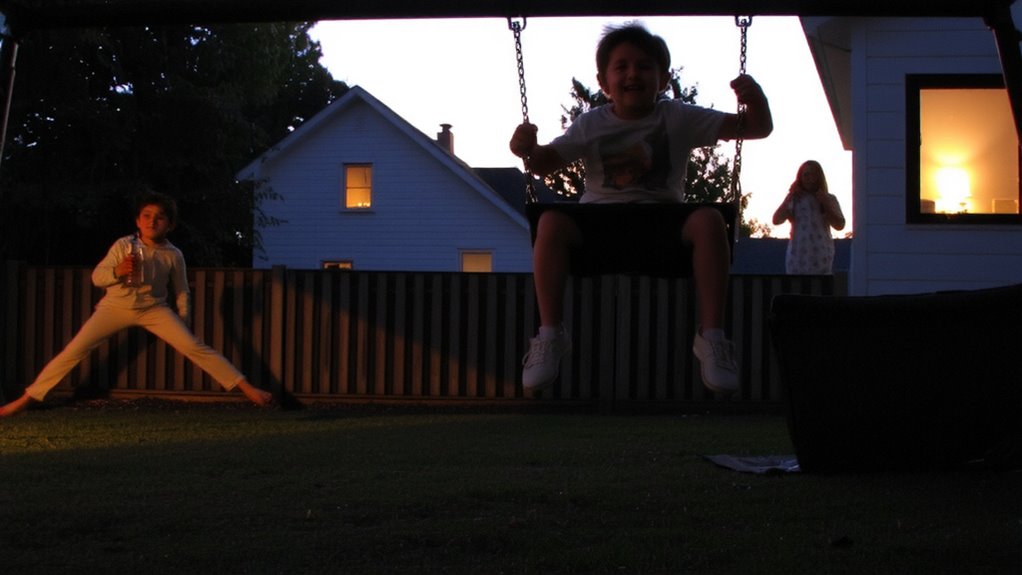
Could timing make all the difference when it comes to your child’s sleep and evening activity? Yes, it can. Evening exercise doesn’t necessarily delay sleep, but when combined with high screen time, it may affect your child’s ability to wind down. Physical activity boosts alertness, so completing workouts at least one to two hours before bedtime helps regulate sleep cycles. Monitor your child’s hydration levels, too-being too thirsty or overhydrated can lead to nighttime disruptions. While movement is beneficial, pairing intense exercise with screens may overstimulate the brain. Limiting screen time post-exercise supports a smoother shift to rest. Consider experimenting with workout schedules and tracking changes in sleep patterns. Most kids adapt well when routines include downtime after activity. There’s no one-size-fits-all solution, but observing your child’s responses helps guide smarter choices about sleep aids or adjustments without relying on medication.
How Evening Activity Affects Sleep Onset
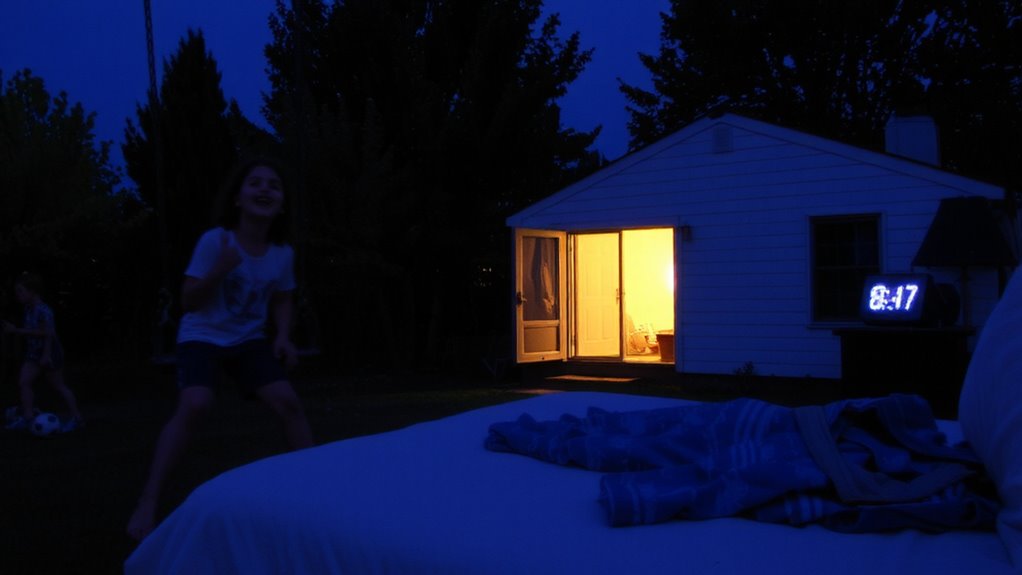
Why do some kids struggle to fall asleep after being active at night? Evening activity can interfere with your child’s circadian rhythm, especially if it’s intense or late. Physical exertion raises body temperature and alertness, which may delay melatonin release-the hormone that signals sleep. When melatonin release is pushed back, sleep onset takes longer, even if your child feels tired. Light exercise, like stretching or walking, has less impact and might even support better sleep timing. The key is timing and intensity: moderate activity earlier in the evening aligns better with natural circadian rhythm shifts. You don’t need sleep aids or medical interventions yet-just small adjustments. Watching how your child responds helps guide better choices. Trial consistent routines and track sleep patterns to see what works.
Early Evening vs. Right Before Bed: What’s the Cutoff?
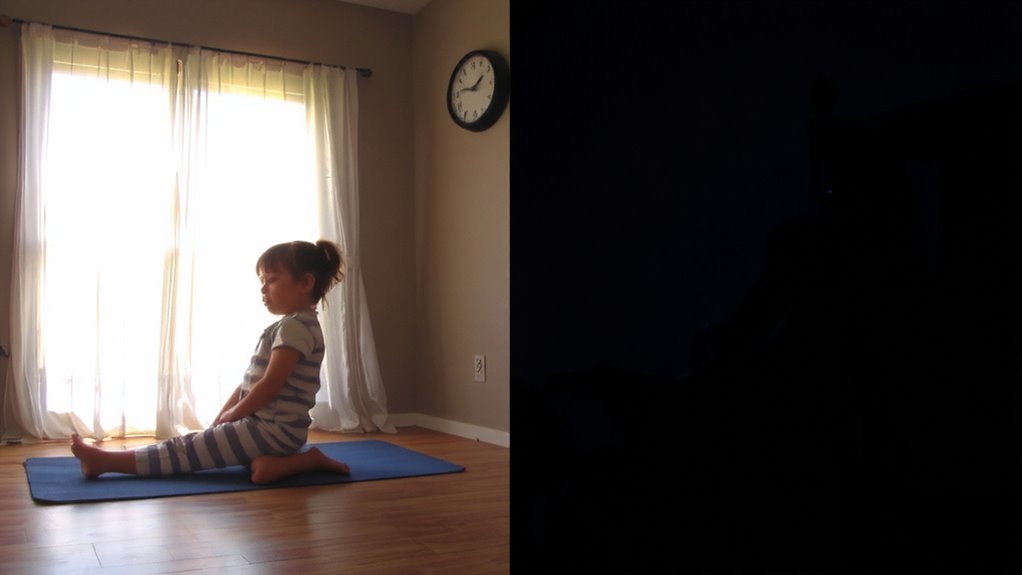
When should you draw the line between helpful activity and bedtime disruption? Experts suggest finishing moderate to vigorous exercise at least one to two hours before bedtime. This buffer lets body temperature and heart rate return to restful levels. The impact of evening exercise on sleep onset depends heavily on exercise duration and activity intensity. A 45-minute soccer practice at 6 PM likely supports sleep, but a high-intensity session at 8:45 PM may hinder it, especially for sensitive kids. Shorter, low-intensity activities like stretching or yoga can be done closer to bed without issues. Every child responds differently, so consider trial periods of earlier versus later timing. Track sleep onset and morning alertness to assess what works. There’s no universal cutoff, but paying attention to timing, exercise duration, and activity intensity helps align evening movement with healthy sleep patterns.
Is Your Child Too Wired After Exercise?
How does your child act in the hour after intense physical activity? If they’re unusually restless or seem too energized to settle, exercise intensity may be playing a role. Vigorous workouts close to bedtime can raise heart rates and body temperatures, potentially delaying sleep onset. Your child’s hydration levels also matter-being under-hydrated might amplify feelings of fatigue while over-hydrating could lead to nighttime bathroom trips. Monitoring both factors helps determine whether timing or exertion is the real culprit. Consider lowering exercise intensity in the evening or shifting more vigorous activity earlier. Observe how changes affect your child’s ability to fall asleep without interference. Watch for persistent trouble-frequent delays in sleep onset may signal underlying sleep issues worth discussing with a professional. Small adjustments often improve sleep quality without requiring sleep aids.
Wind-Down Routines After Evening Activity
After evening exercise, your child might still feel alert even as bedtime approaches, especially if the activity was intense. To support smoother sleep onset, focus on consistent wind-down routines that include proven relaxation techniques and strict screen avoidance. These habits signal the brain that it’s time to shift from activity to rest. Establishing a predictable pattern improves sleep quality over time and may reduce reliance on sleep aids.
| Activity | Benefit |
|---|---|
| Reading a book | Encourages mental relaxation |
| Gentle stretching | Reduces physical tension |
| Deep breathing | Activates natural relaxation responses |
| Listening to calm music | Distracts from stimuli, aids screen avoidance |
Choose routines that are easy to follow and sustainable. Trial different techniques for a week to assess effectiveness. Performance improves with consistency, and most require no special equipment or warranty.
Evening Exercise Routines That Help Kids Sleep
While vigorous workouts late in the day might seem counterproductive for sleep, carefully timed and structured evening exercise can actually support better rest in children when balanced with the right type of activity. You can try gentle yoga, which helps lower heart rate and promotes relaxation through slow movements and controlled breathing. These sessions work well about an hour before bed and can ease the shift into sleep. Family walks are another effective option-low-intensity, calming, and social. A 20- to 30-minute walk after dinner encourages light physical activity without overstimulation. Both routines avoid spikes in adrenaline, supporting natural melatonin release. They’re easy to start, require no special equipment, and can be adjusted for age or ability. Try different times and durations to see what fits your child’s sleep pattern best.
Customizing Activity Timing for Better Sleep
You’ve probably noticed that not every child responds the same way to evening activity, even when the routine is calm and consistent. That’s because activity intensity and circadian alignment play key roles in sleep onset. Some kids wind down best with light movement early in the evening, while others handle moderate activity later-if it’s aligned with their internal clock. Consider your child’s natural rhythm and energy levels when planning timing.
| Activity Type | Best Time Before Bed |
|---|---|
| Vigorous play | 2–3 hours |
| Moderate exercise | 1–2 hours |
| Light stretching | 30–60 minutes |
| Quiet movement | <30 minutes |
Adjust gradually and track changes in sleep onset. This helps support healthy sleep without relying on sleep aids or strict interventions.
On a final note
You can help your child sleep better by timing exercise wisely. Early evening activity often supports faster sleep onset, while vigorous exercise within an hour of bedtime may delay it. Consider winding down with calming routines after physical play. Every child responds differently, so observe sleep patterns and adjust timing as needed. A consistent schedule, paired with moderate daily activity, usually improves sleep quality without needing aids.