Why Older Adults Need More Deep Sleep Than Light Sleep Patterns
You need more deep sleep as you age because it repairs your brain and protects memory, while light sleep can’t clear toxins or strengthen neural connections. Aging naturally reduces deep sleep, making it harder to stay sharp and focused. Good habits like morning walks, avoiding caffeine after noon, and a consistent bedtime routine support deeper rest. Sleep aids may help but require careful trial and medical guidance. Solutions exist to improve your sleep quality and long-term brain health.
Notable Insights
- Deep sleep supports brain detoxification, which declines with age and increases dementia risk.
- Memory consolidation and learning depend on deep sleep, not light sleep stages.
- Tissue repair and immune function are primarily restored during deep sleep.
- Age-related reductions in deep sleep impair cognitive function despite adequate total sleep.
- Light sleep does not provide the neural repair and rejuvenation benefits of deep sleep.
Why Deep Sleep Matters More as You Age
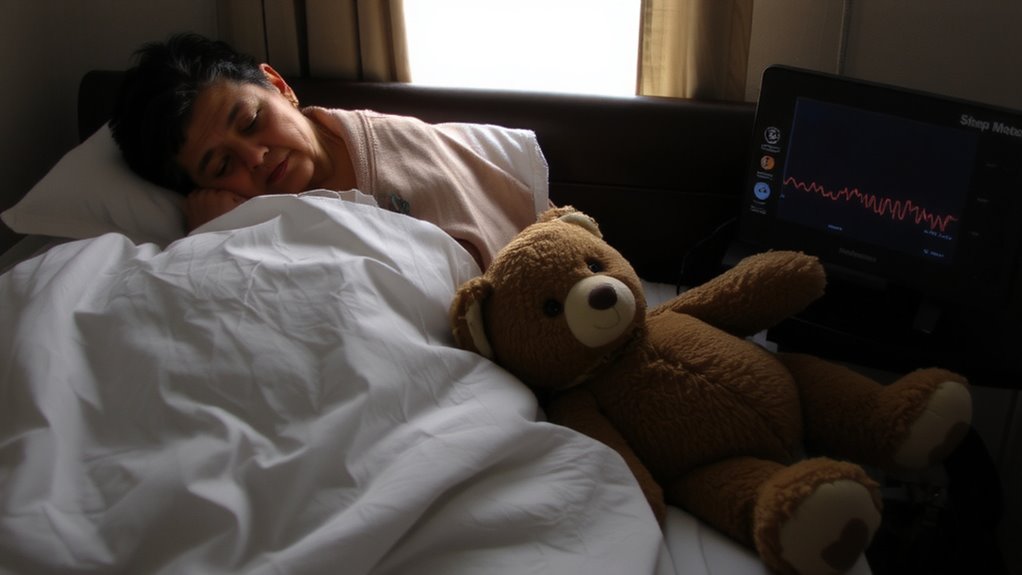
Even though you might not feel as tired as you did in your younger years, deep sleep becomes more critical with age because it supports brain health, memory consolidation, and physical recovery. As you age, sleep quality directly impacts how well your body repairs itself and how clearly you think during the day. Deep sleep is when brain rejuvenation happens-your brain clears toxins and strengthens neural connections. Poor sleep quality can reduce this process, affecting focus and long-term cognitive health. To improve deep sleep, consider maintaining a consistent bedtime, limiting screen time, and avoiding caffeine late in the day. If you struggle with sleep, consult a doctor before using sleep aids. Some aids may help temporarily, but check for trial periods and side effects. Prioritize natural rhythms, as better deep sleep supports lasting wellness.
How Aging Reduces Deep Sleep Naturally
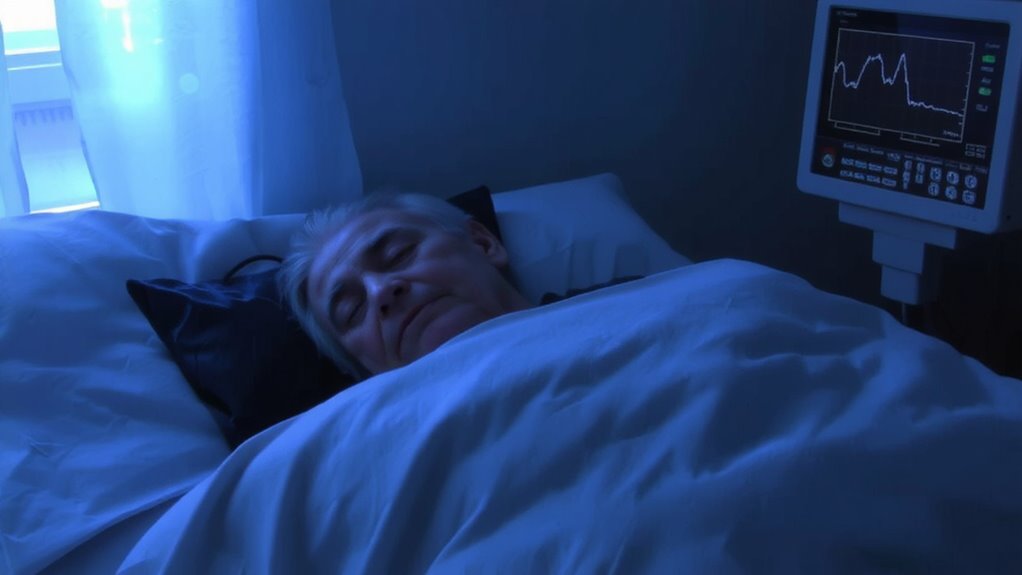
As you get older, your body naturally goes through changes that can make deep sleep harder to achieve, and one of the main reasons is the gradual shift in your sleep architecture. This shift means you spend less time in deep sleep stages and more in lighter ones. A circadian shift also occurs, causing you to feel tired earlier in the evening and wake up earlier in the morning, which can disrupt continuous deep sleep.
| Factor | Impact on Sleep |
|---|---|
| Sleep architecture changes | Less time in deep sleep, more awakenings |
| Circadian shift | Earlier sleep and wake times |
| Natural aging process | Reduced sleep quality overall |
These changes are normal, but understanding them helps you make informed choices about sleep habits, evaluate potential sleep aids, or decide when to consult a professional about sleep disorders.
Why Light Sleep Isn’t Enough for Seniors
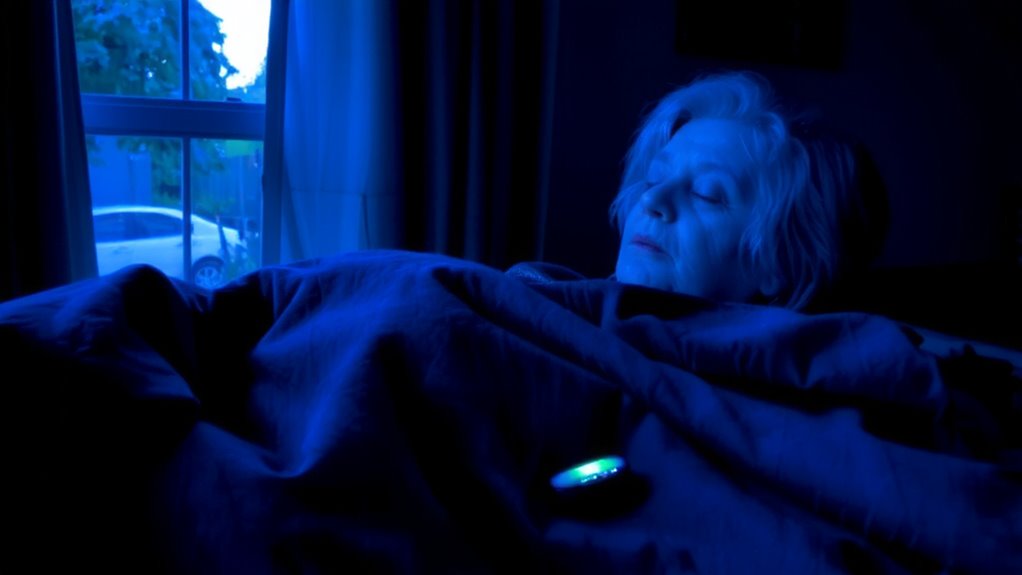
What happens if you’re sleeping but still feel worn out by morning? You might be getting enough sleep, but if it’s mostly light sleep, your body isn’t restoring itself like it should. For seniors, light sleep doesn’t support critical functions like brain detoxification, where waste proteins are cleared during deeper stages. Without sufficient deep sleep, sleep quality suffers, even if total hours look good. This decline can subtly impact memory, focus, and long-term brain health. Deep sleep is when your body repairs tissues and strengthens immunity-light sleep can’t deliver those benefits at the same level. While sleep aids or devices may help extend deep stages, it’s important to understand their performance, risks, and trial options. Improving sleep quality isn’t just about more rest-it’s about the right kind of rest, one that supports lasting well-being through effective brain detoxification and physical recovery. Certain best supplements for deep sleep can also support longer and more restorative deep sleep cycles.
Day Habits That Boost Deep Sleep
Though you can’t control when deep sleep happens, you can shape your day to make it more likely. Morning walks expose you to natural light, which strengthens your circadian rhythm and supports deeper sleep later. Aim for 20–30 minutes most days, even if it’s just a gentle pace. Hydration timing also matters-drink most of your water earlier in the day, tapering off by late afternoon to reduce nighttime bathroom trips. Staying well-hydrated supports brain function and sleep quality, but too much fluid close to bedtime disrupts sleep continuity. Avoid caffeine after noon and limit naps to 20 minutes to protect nighttime deep sleep. These habits don’t force sleep, but they create the internal conditions where deep sleep is more likely to occur. Small, consistent choices add up to meaningful improvements over time.
Create a Bedtime Routine for Deep Sleep
If you’re aiming to improve deep grinding, your bedtime routine matters more than you might think-small, deliberate choices in the hour before sleep can signal your brain to wind down and prepare for rest. Good sleep hygiene means turning off screens, dimming lights, and keeping your room cool and quiet. These steps help your body recognize it’s time to slow down. Try consistent relaxation techniques like deep breathing, gentle stretching, or listening to calm music. Doing the same things each night builds a pattern your mind can follow easily. A warm bath or reading a physical book can also ease the shift from wakefulness to sleep. Avoid caffeine or heavy snacks late in the evening. Your routine doesn’t need to be perfect-just consistent. Over time, these habits support longer, more restorative deep sleep stages. Better Sleep Routine Tips can make a meaningful difference in achieving the quality rest older adults need.
When to Talk to a Doctor About Poor Sleep
How long have you been struggling to sleep well? If poor sleep lasts more than a few weeks or begins affecting your daily energy and focus, it’s time to contemplate a medical evaluation. You might have an underlying issue like sleep apnea or insomnia-common sleep disorders in older adults that need proper diagnosis. Don’t ignore loud snoring, gasping at night, or extreme daytime fatigue. A doctor can review your sleep patterns, medical history, and symptoms to determine if testing or treatment is needed. While some people benefit from sleep aids, they’re not always the best long-term solution. Getting a medical evaluation helps you understand risks and benefits of different options. Early action improves your chances of restoring healthy deep sleep, so don’t wait too long to reach out for professional support.
Simple Changes to Increase Deep Sleep After 60
Why does deep sleep feel harder to come by as you age? As you get older, your brain produces less slow-wave activity, which is needed for deep sleep. But small, consistent changes can help boost it. First, optimize your sleep environment: keep the room cool, dark, and quiet, and use blackout curtains or a white noise machine if needed. Invest in a comfortable mattress and breathable bedding. Next, practice relaxation techniques before bed-try deep breathing, gentle stretching, or mindfulness meditation to signal your body that it’s time to wind down. Limit screen time at least 30 minutes before bed, since blue light can disrupt melatonin. Stick to a regular sleep schedule, even on weekends. These adjustments may take a few weeks to show results, but they’re low-risk and support long-term sleep quality. A high-quality best mattress covers for Tempur-Pedic can also enhance comfort and support for deeper sleep.
On a final note
You likely need more deep sleep now because it supports brain health, memory, and physical recovery-functions that weaken with age. While light sleep happens, it doesn’t repair your body the same way. Try consistent bedtimes, less screen time, and avoiding caffeine after noon. If poor sleep lasts, talk to your doctor; treatable conditions like sleep apnea may be involved. Some find mild sleep aids help, but always check risks and benefits first.