Translating Research Findings on Sleep Spindles Into Practical Advice for Muscle Memory Encoding
You strengthen motor skills at night when sleep spindles replay your practice, so time workouts and habits to support this. Practice in the late afternoon or early evening to align with peak brain plasticity and spindle activity. Avoid intense exercise or screen time close to bed, as they may disrupt deep sleep. Omega-3s and magnesium can boost spindle density, while some sleep aids might reduce it. Wearable EEG headbands help track your spindle patterns during NREM sleep, giving insight into your brain’s nighttime learning-if you keep refining your routine, you’ll uncover even more ways to optimize it.
Notable Insights
- Practice motor skills in the late afternoon or early evening to align with peak cortical plasticity and enhance spindle activity.
- Avoid late-night training sessions, as they reduce sleep spindle density and impair overnight motor memory consolidation.
- Prioritize uninterrupted, high-quality sleep to support neural replay and synaptic strengthening during deep NREM sleep.
- Consume omega-3-rich foods like fatty fish and walnuts to promote spindle density and optimize motor memory encoding.
- Limit blue light exposure and avoid spindle-suppressing sleep aids to maintain natural sleep architecture and memory benefits.
What Are Sleep Spindles: And Why They Build Muscle Memory

What if the key to mastering that new tennis serve or perfecting a piano piece isn’t just hours of practice-but what happens while you’re asleep? During deep sleep, your brain produces bursts of activity called sleep spindles-brief spikes of brain waves generated by the thalamus. These spindles support neural synchronization, helping different brain regions coordinate and strengthen motor memories. When your brain waves align this way, skill-related information from your day gets processed and stored more effectively. This means your body’s ability to “remember” movements improves overnight. If you’re skimping on sleep, disrupting your cycles, or using sleep aids that alter brain wave patterns, you might be weakening this process. Treating sleep disorders, maintaining consistent sleep schedules, and choosing sleep aids carefully can help protect spindle activity. You don’t need perfect sleep-just consistent, uninterrupted hours.
How Sleep Spindles Lock In Motor Skills Overnight

While you’re sleeping, your brain isn’t just idling-it’s actively rewiring motor skills you practiced earlier, and sleep spindles play a key role. These brief bursts of brain activity help coordinate neural replay, where your brain quietly repeats the movements you learned, like typing or playing piano, strengthening key circuits. This replay boosts synaptic strengthening, making connections between neurons more efficient and durable over time. You don’t need to do anything active-your brain handles this overnight, provided you get enough quality sleep. If you struggle with sleep disorders like insomnia or apnea, addressing them can improve spindle activity and skill retention. While some sleep aids may reduce spindle density, natural sleep cycles support peak performance. Prioritizing consistent, uninterrupted sleep gives your motor skills the best chance to consolidate. No trial period or warranty applies-just nightly investment in rest for long-term gains.
Time Your Practice for Maximum Spindle Impact
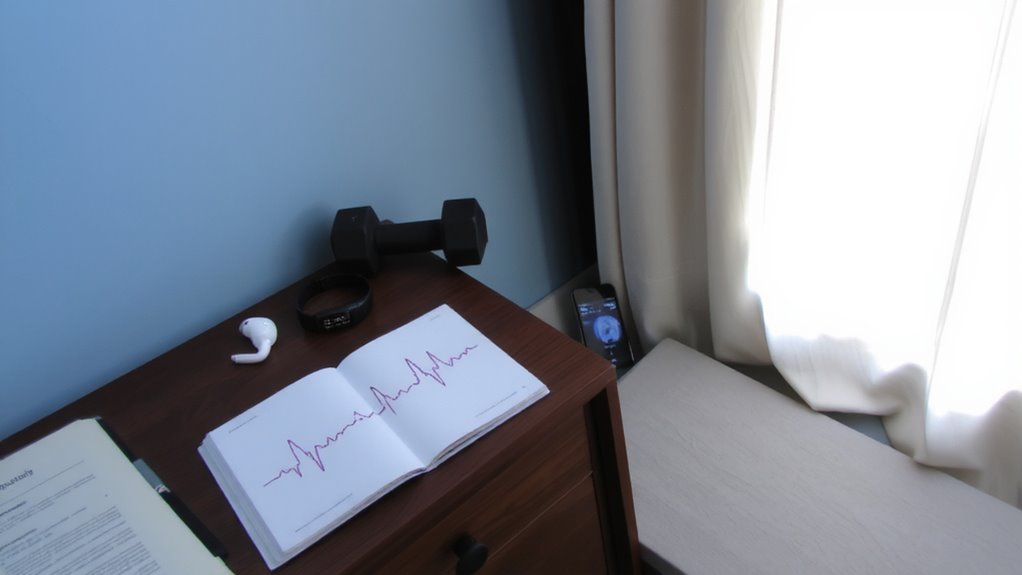
You’ve likely noticed that practicing a new movement during the day often leads to smoother performance the next morning, and that improvement doesn’t just happen by accident-your brain uses sleep spindles to solidify those skills, especially when you time your practice right. For ideal timing, aim to practice challenging motor tasks in the late afternoon or early evening. This aligns with natural peaks in cortical plasticity and allows sleep spindles during deep sleep to strengthen neural connections. Proper practice scheduling enhances overnight memory encoding.
| Practice Time | Spindle Activity | Memory Retention |
|---|---|---|
| Morning | Moderate | Fair |
| Afternoon | High | Good |
| Early Evening | Very High | Best |
| Late Night | Low | Poor |
This pattern supports better skill retention when practice ends a few hours before bed, avoiding sleep disruption and promoting natural spindle rhythms.
Work Out Right to Boost Sleep-Driven Learning
How you train during the day shapes how well your brain learns at night, and timing your workouts around key recovery phases can make a real difference in motor skill improvement. Exercising too intensely right before bed may disrupt sleep onset, but a moderate session earlier primes your brain for neural replay during deep sleep. That’s when sleep spindles help strengthen motor memories from your practice. Including active recovery-like light stretching or walking-later in the day supports circulation and keeps your nervous system primed without overloading it. This balance helps maintain consistent sleep architecture, which is essential for spindle activity. If you struggle with sleep disorders, consult a professional before using sleep aids, as some may suppress spindles and reduce memory benefits. Prioritizing workout timing and recovery means you’re not just training harder-you’re training smarter, giving your brain the conditions it needs to replay and refine skills overnight.
Wind Down to Supercharge Memory Consolidation
A solid night’s sleep isn’t just about logging hours-it’s about creating the right conditions for your brain to lock in what you’ve learned. To support memory consolidation, you should limit blue light exposure from screens at least an hour before bed, as it can delay melatonin release and disrupt spindle activity. Instead, build consistent relaxation rituals like light stretching, reading, or deep breathing to signal your body it’s time to rest. These routines help stabilize sleep architecture, improving the quality of non-REM sleep where spindles occur. If you use sleep aids, consider ones backed by clinical trials and check warranty or return policies if buying wearable devices. For lasting results, prioritize natural rhythm over quick fixes. Trial adjustments gradually, and consult a professional if sleep disorders like insomnia or apnea interfere. Good sleep hygiene supports stronger muscle memory-start winding down early and stay consistent.
Foods and Supplements That Fuel Sleep Spindles
Sleep quality affects more than just how rested you feel-it shapes the brain activity that locks in muscle memory, including the sleep spindles active during non-REM stages. Supporting these neural events starts with your plate. Omega 3 fats, found in fatty fish and flaxseeds, are linked to increased spindle density. Magnesium intake from leafy greens or supplements may boost spindle production by calming neural excitability. You don’t need drastic changes-small, consistent shifts in diet can make a measurable difference over time. Consider pairing foods for better absorption and sustained effects. Tracking these dietary impacts on sleep quality can be enhanced with the use of best health trackers.
| Food/Supplement | Key Nutrient | Supports Spindles By |
|---|---|---|
| Fatty fish | Omega 3 fats | Enhancing neuron repair and communication |
| Pumpkin seeds | Magnesium intake | Regulating neurotransmitters involved in sleep |
| Walnuts | Omega 3 fats + magnesium intake | Offering dual support for spindle activity |
How to Track Sleep Spindles (At Home and Beyond)
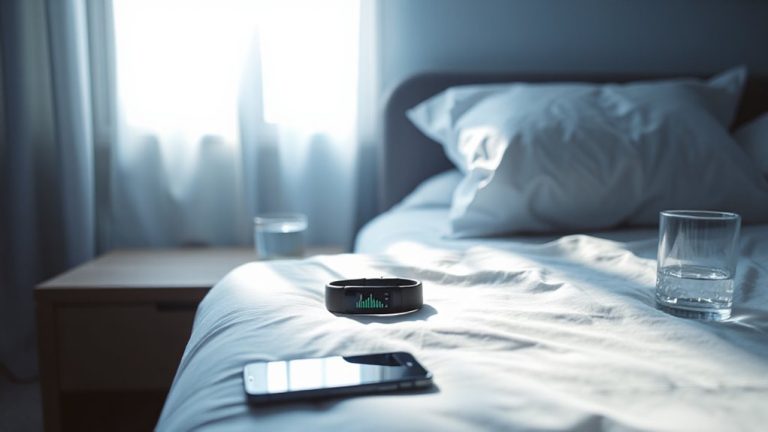
Where can you begin when trying to monitor something as subtle as sleep spindles? You can start with wearable EEG headbands designed for home use-they’re comfortable, easy to set up, and sync with apps that show real-time brain activity. These devices use brain mapping to detect spindle patterns during NREM stage 2 sleep, giving you feedback on sleep quality linked to muscle memory. Though not as precise as lab equipment, they’re practical for tracking trends over time. For deeper insight, some sleep clinics combine overnight EEG with dream analysis to correlate brain activity with sleep stages. If you’re exploring sleep aids or addressing a disorder, comparing home tracking data with a clinical study might help. Look for devices with solid warranties, user support, and compatibility with health platforms. While home tools won’t replace formal diagnosis, they’re useful for monitoring progress and making informed sleep decisions.
On a final note
You can strengthen muscle memory by aligning practice with quality sleep, when sleep spindles help lock in motor skills. Timing workouts earlier in the day, winding down properly, and supporting sleep with nutrition may boost spindle activity. While home sleep trackers offer clues, they’re not as precise as lab studies. If sleep problems persist, consult a professional instead of relying on aids. Small, consistent changes in sleep habits can improve recovery and performance over time-trial adjustments with patience and track results carefully.