Replicating Clinical Outcome Improvements Seen With Sleep Intervention Alone Without Physical Therapy
You can see meaningful recovery improvements with better sleep alone, thanks to tissue repair, reduced inflammation, and pain relief during deep sleep. But sleep won’t fully replace physical therapy’s targeted benefits like strength rebuilding or joint mobility. Treating sleep disorders like apnea or insomnia boosts your body’s healing response. Combining consistent sleep hygiene with movement therapy often yields the best results. There’s more to discover about optimizing both.
Notable Insights
- Deep sleep alone can drive tissue repair and reduce inflammation through natural growth hormone release.
- Improved sleep quality may decrease pain sensitivity and morning stiffness without physical therapy.
- Consistent sleep hygiene enhances neuroplasticity, supporting recovery from injury independently.
- Addressing sleep disorders like insomnia can reduce brain inflammation and improve healing outcomes.
- Side sleeping with proper alignment reduces joint stress and aids recovery without therapeutic exercise.
Can Sleep Alone Improve Recovery Like Physical Therapy?
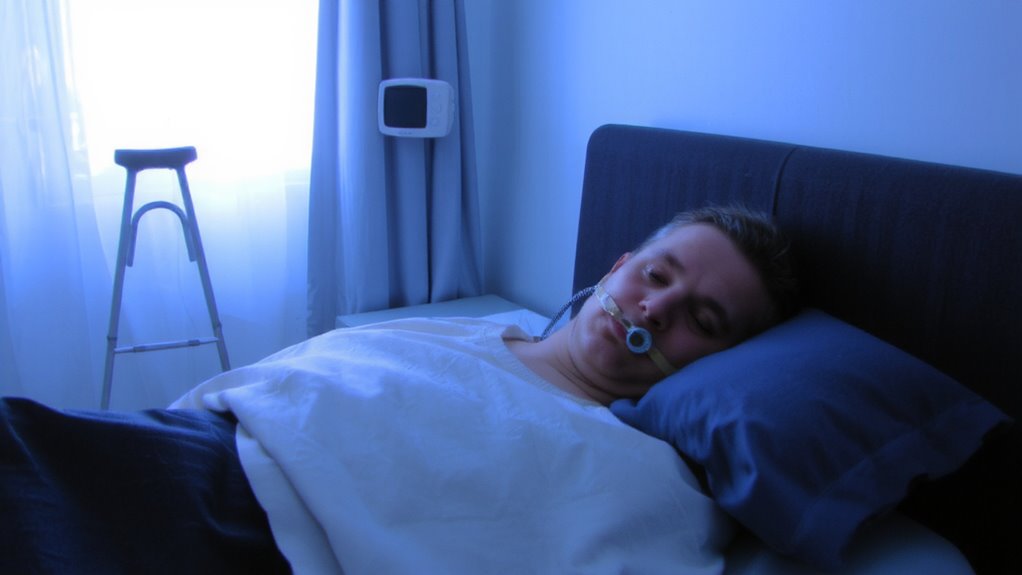
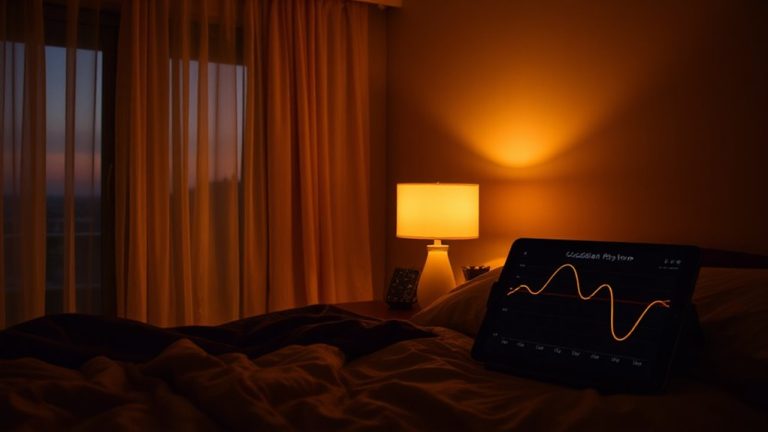
What if simply getting better sleep could support recovery in ways similar to physical therapy? You might find that improving your sleep quality has a direct effect on your recovery timeline. Studies show that consistent, restful sleep helps your body repair tissues, balance hormones, and strengthen immune response-key factors in healing. Unlike physical therapy, sleep alone doesn’t require equipment or sessions, but it works best when combined with healthy habits. You can track sleep quality using wearable devices or sleep journals to identify patterns. If sleep disorders like apnea or insomnia are present, treatments such as CPAP machines or behavioral therapy may help. Over-the-counter sleep aids exist, but check with a healthcare provider before use. While sleep can’t replace all physical therapy benefits, it’s a low-cost, accessible part of recovery worth prioritizing.
Why Deep Sleep Speeds Up Healing and Reduces Pain
While you sleep, your body shifts into repair mode, especially during deep sleep when tissue growth and muscle recovery peak. You’re not just resting-your brain is boosting neuroplasticity enhancement, helping rewire neural pathways to adapt after injury. At the same time, cellular regeneration accelerates, repairing damaged tissues and reducing inflammation. Deep sleep also increases growth hormone release, aiding recovery without drugs or therapy. This natural repair process lowers pain sensitivity, so you wake feeling less stiff and more mobile. Prioritizing sleep quality supports healing as much as physical treatments, offering a non-invasive complement to recovery. Choosing a consistent sleep schedule, limiting screen time, and managing room temperature are simple steps. If needed, consider sleep aids after consulting a doctor. Sleep isn’t passive-it’s active restoration working for you each night.
How Insomnia and Sleep Apnea Undermine Recovery
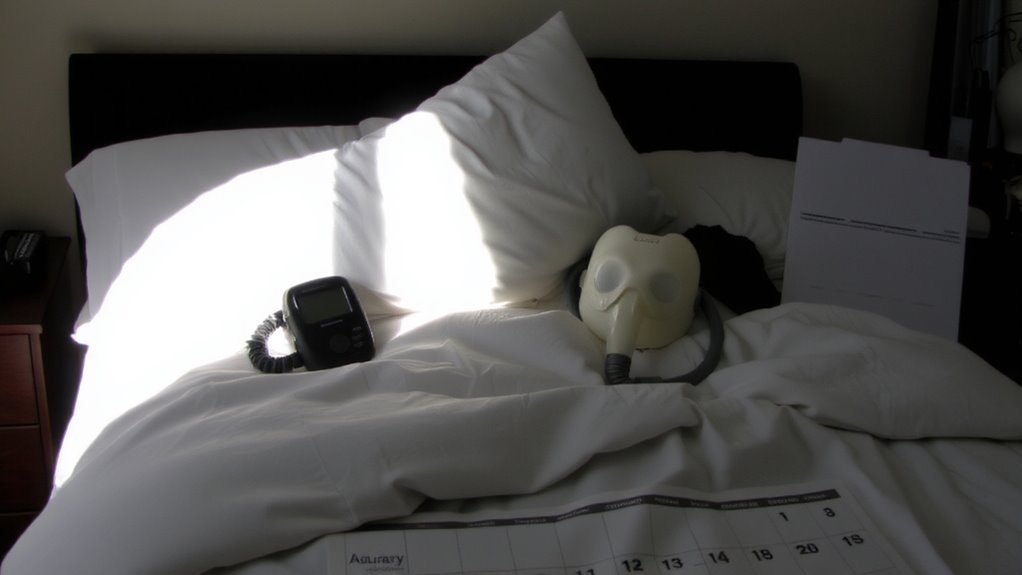
Your recovery’s progress can hit a wall when insomnia or sleep apnea disrupts the sleep cycles your body needs to heal. These disorders interfere with restorative stages of sleep, increasing brain inflammation and worsening nervous system dysregulation. Without consistent deep sleep, tissue repair slows and pain sensitivity rises, undermining physical recovery even with treatment.
| Condition | Impact on Recovery |
|---|---|
| Insomnia | Elevates brain inflammation, hampers healing |
| Sleep Apnea | Causes oxygen drops, disrupts sleep continuity |
| Chronic Sleep Loss | Promotes nervous system dysregulation |
| Fragmented Sleep | Reduces growth hormone release, delays repair |
You may consider sleep aids or medical devices like CPAP after professional evaluation. Many find relief through diagnostics and targeted treatments, improving sleep quality and recovery outcomes. Always review options with a provider to match your needs and condition severity.
Sleep Hygiene Habits That Accelerate Physical Recovery
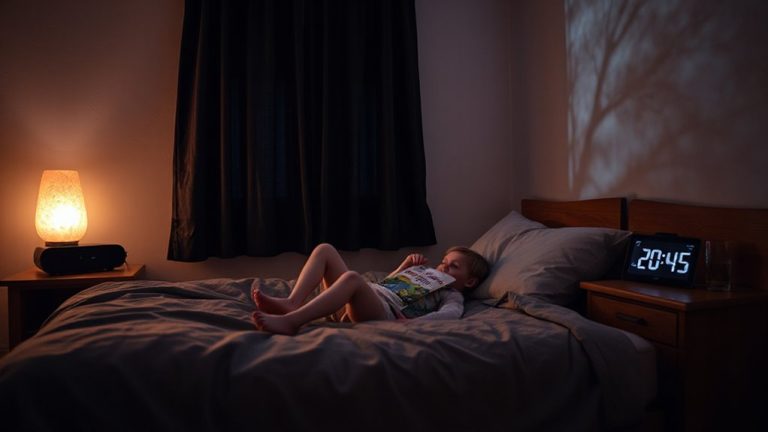
How often do you wake feeling like you’ve barely rested, even after eight hours in bed? Poor sleep hygiene may be slowing your physical recovery. Your sleep position plays a key role-side sleeping with a supportive pillow can align your spine and reduce joint stress, while avoiding stomach sleeping helps prevent neck strain. Your recovery environment matters just as much: keep the room cool, dark, and quiet, and consider blackout curtains or a white noise machine if needed. Use breathable bedding and a quality mattress that supports body contouring. Consistent bedtimes and screen reduction before sleep improve sleep continuity. These habits aren’t quick fixes, but when practiced regularly, they create conditions where tissue repair and muscle recovery can occur more efficiently. Small, steady changes in routine and surroundings often yield measurable improvements in rest and healing. Adding a between-knee pillow can further enhance spinal alignment and reduce hip pressure during side sleeping.
When to Combine Sleep Optimization With Physical Therapy
What happens when sleep improvements alone aren’t enough to support your recovery? You may need to combine sleep optimization with physical therapy. If pain or movement issues persist despite better sleep hygiene, timing your sleep correctly can enhance therapy outcomes. Aligning your sleep timing with your therapy schedule-like going to bed earlier to support morning sessions-improves recovery alignment. This means your body heals in sync with treatment, boosting tissue repair and neuromuscular gains. Consider tracking your sleep patterns and therapy response over two to three weeks. Look for improvements in mobility, pain levels, or endurance. If progress stalls, consult a specialist to assess for undiagnosed sleep disorders. Some may benefit from short-term sleep aids under supervision, but these shouldn’t replace therapy. Combining both approaches guarantees better overall recovery alignment without overreliance on any single method.
On a final note
You can improve recovery by focusing on sleep alone, though combining it with physical therapy may offer greater benefits. Poor sleep slows healing, while consistent, high-quality rest reduces pain and supports tissue repair. Treating insomnia or sleep apnea often leads to measurable gains. Try proven sleep hygiene first-consistent schedules, reduced screen time, quiet spaces. If needed, consider short-term sleep aids under guidance. Most improve within weeks. Check warranty details if using devices like CPAP machines, and always trial strategies for at least 30 days before deciding.