Sugary Drinks Before Bed: How They Wreck Your Sleep Cycle
Drinking sugary beverages before bed spikes your blood sugar, prompting a rush of insulin that can disrupt your sleep cycle. You might fall asleep fast, but the crash later often wakes you up, leading to fragmented rest. These nightly spikes also encourage fat storage, especially around the abdomen, since your body isn’t active enough to burn the excess calories. Over time, this habit can affect your metabolic health. Opting for unsweetened herbal tea or warm milk helps avoid these issues while supporting relaxation-something you’ll learn more about next.
Notable Insights
- Sugary drinks before bed cause blood sugar spikes, leading to disrupted sleep patterns and nighttime wakefulness.
- Rapid insulin release from sugar intake impairs the brain’s ability to wind down for restful sleep.
- Nighttime consumption of soda, juice, or energy drinks adds empty calories, promoting weight gain and fat storage.
- Caffeine and sugar in drinks like chocolate milk or energy beverages worsen sleep onset and sleep quality.
- Opting for herbal tea or warm milk instead supports better sleep and reduces long-term metabolic risks.
Why Sugar Before Bed Ruins Your Sleep
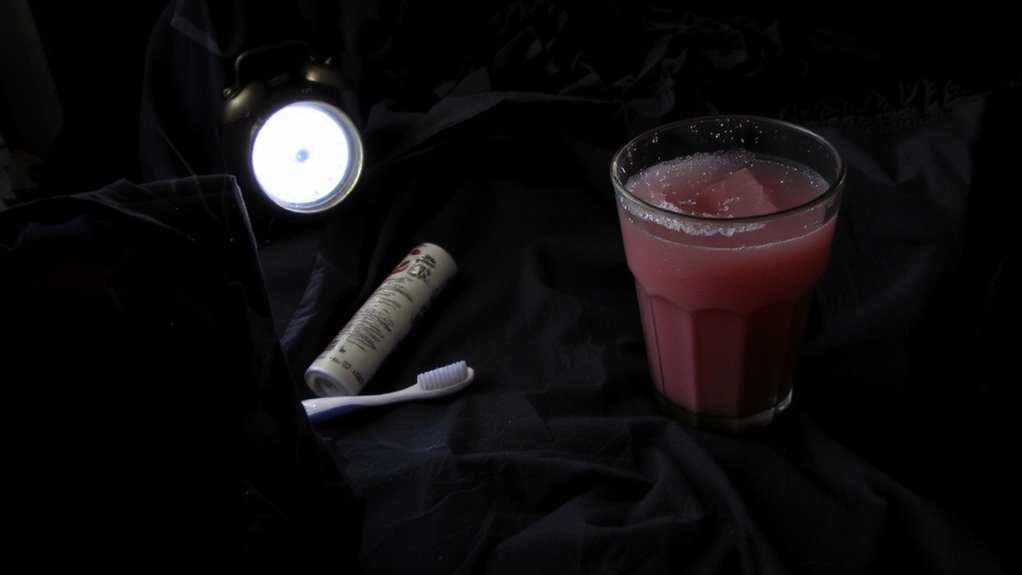
Why do you feel so restless after drinking a soda or sweet juice before bed? That jittery, wired sensation comes from blood sugar spikes, which trigger your body to release insulin rapidly. This rush affects your brain’s ability to wind down, disrupting your sleep cycle. When your blood sugar drops quickly afterward, it can cause wakefulness or fragmented sleep. These swings also contribute to hormone imbalance, interfering with melatonin and cortisol regulation-both essential for sleep. Over time, this pattern may increase your risk of sleep disorders like insomnia. Instead of reaching for sugary drinks, consider water or herbal tea. Cutting back helps stabilize energy and supports deeper, more restful sleep. It’s a simple change with measurable benefits.
Worst Drinks to Avoid at Night
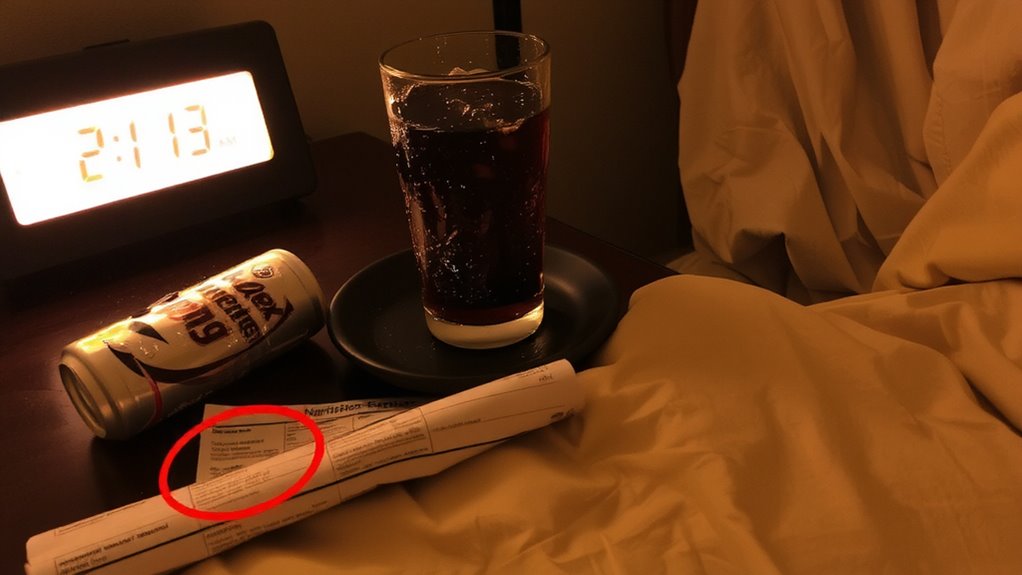
What exactly makes certain drinks such a poor choice before bedtime? For starters, sodas and energy drinks pack sugar and caffeine, which interfere with falling asleep and staying asleep. That late-night soda might give you a burst of energy, but later leads to a caffeine crash, disrupting your sleep cycle. Sugary drinks also linger on your teeth, boosting the risk of dental decay, especially when you’re lying down. Fruit juices, even natural ones, often contain as much sugar as soda-without the fiber-so they’re not a better nighttime option. Chocolate milk? It’s got both sugar and trace caffeine, making it another drink to skip. Alcohol seems calming, but it reduces sleep quality. If you’re looking to improve rest, avoid these drinks at least two hours before bed. Your sleep, teeth, and energy levels will benefit.
How Nighttime Sugar Leads to Weight Gain
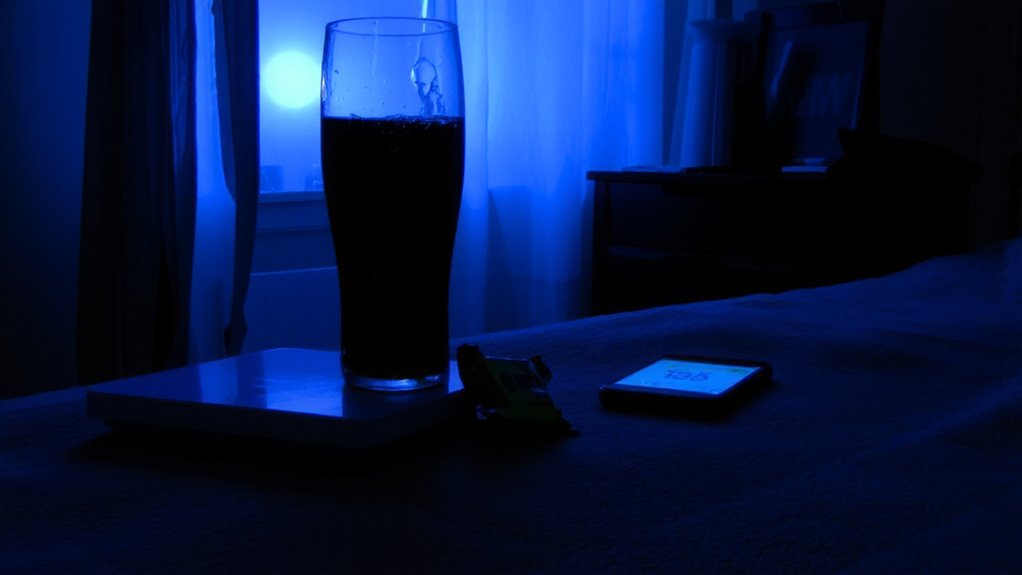
You might not realize it, but that glass of sweet tea or flavored soda you sip before bed could be working against your weight goals. When you consume sugar late at night, your body experiences insulin spikes, which signal it to store energy as fat-especially when you’re inactive during sleep. This increases fat storage over time, particularly around the abdomen. Even small, consistent habits can have a cumulative impact on your metabolism.
| Nighttime Sugar | Effect on Body |
|---|---|
| High in calories | Triggers insulin spikes |
| No satiety | Promotes fat storage |
| Low nutrition | Disrupts metabolic balance |
Avoiding sugary drinks before bed supports better weight management. Your body processes calories more efficiently earlier in the day. Making this adjustment doesn’t require drastic changes-just mindful timing.
Best Bedtime Drinks Instead of Sugar
A few smart swaps can make a real difference in how well you sleep and manage your weight. Instead of sugary drinks, try herbal teas like chamomile or passionflower, which contain natural compounds that support relaxation without caffeine. These options are gentle on your system and may help ease mild sleep difficulties over time. Warm milk is another practical choice; it contains tryptophan, a precursor to melatonin, which plays a role in sleep regulation. Heating milk doesn’t boost this effect markedly, but the warmth can signal your body it’s time to wind down. Both herbal teas and warm milk are low in calories and free of added sugars, making them better long-term choices. Try different varieties to see what fits your routine, noting how each affects your ability to fall asleep and stay asleep. Small changes like these support healthier sleep patterns without drastic effort. For a high-quality option, consider trying best organic chamomile tea that emphasizes purity and flavor.
How to Stop Craving Sugar at Night
Why does sugar call to you most when the day winds down? Often, it’s tied to emotional eating and unmet needs, not hunger. When stress triggers pile up, your body may crave sweets for a quick comfort boost. But that late-night sugar rush can disrupt sleep patterns and worsen sleep disorders over time. Instead of reaching for a sugary drink, try swapping it for herbal tea or warm almond milk-options that soothe without spiking blood sugar. Identify your stress triggers: Is it work pressure or screen time? Addressing the root cause helps reduce cravings. Keep healthy snacks like Greek yogurt or a handful of nuts nearby. They satisfy without harming sleep quality. Consider tracking your intake for a week to spot patterns. Small adjustments, backed by awareness, improve both nightly rest and long-term wellness. Consistency matters more than perfection.
On a final note
Cutting out sugary drinks before bed helps improve sleep quality and prevents overnight blood sugar spikes that disrupt rest. Over time, this supports better weight management and reduces cravings. Try switching to water, herbal tea, or warm milk instead. These options are gentle, caffeine-free, and less likely to cause digestive discomfort. If you struggle with consistent sleep, consider tracking intake and experimenting with small changes first, noting effects over a few nights.