Assessing Whether Sleep Deprivation Lowers Pain Gate Control Efficacy in Dermatomal Zones
You feel more pain in certain body zones when sleep loss weakens your spine’s ability to block signals, especially in dermatomal areas tied to specific nerves. Poor sleep disrupts pain gate control, letting more discomfort through. Chronic inflammation, hormonal shifts, and neural fatigue make your nervous system oversensitive. Even one bad night lowers your pain threshold. Quality sleep supports spinal function and natural filtering. Fixing sleep habits can help restore balance-consistency matters more than perfection. There’s more to how this system works over time.
Notable Insights
- Sleep deprivation impairs spinal pain gate control, increasing pain signal transmission in dermatomal zones.
- Poor sleep reduces pain thresholds, making dermatomal areas more sensitive to stimuli within 24 hours.
- Neuroinflammation from sleep loss disrupts spinal cord modulation of pain in segmented nerve regions.
- Circadian hormone imbalances weaken pain gate efficacy, heightening sensitivity in dermatome-specific areas.
- Consistent sleep supports neural stability, enhancing pain gate function across spinal dermatomes.
Why Poor Sleep Makes You Feel More Pain
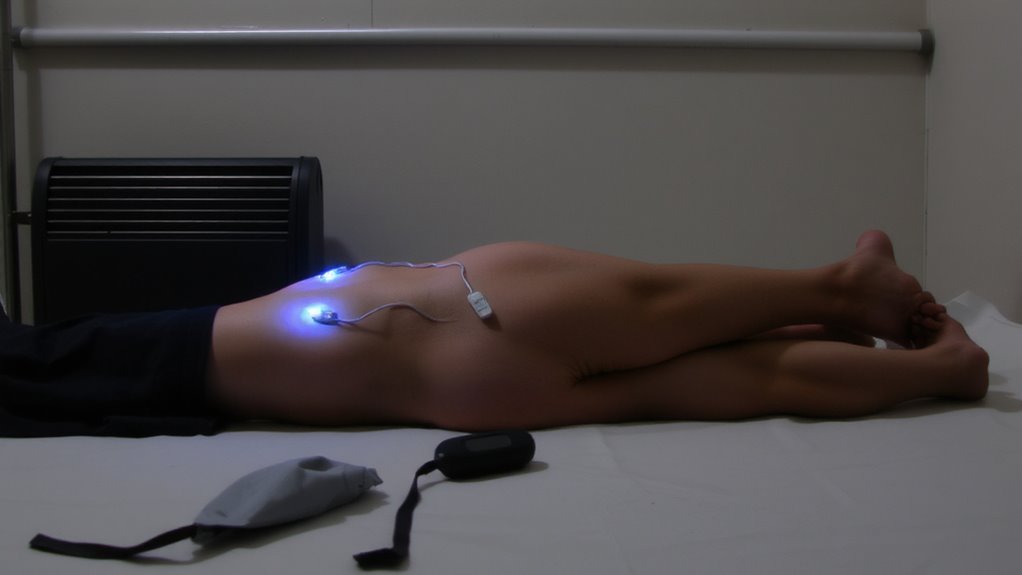
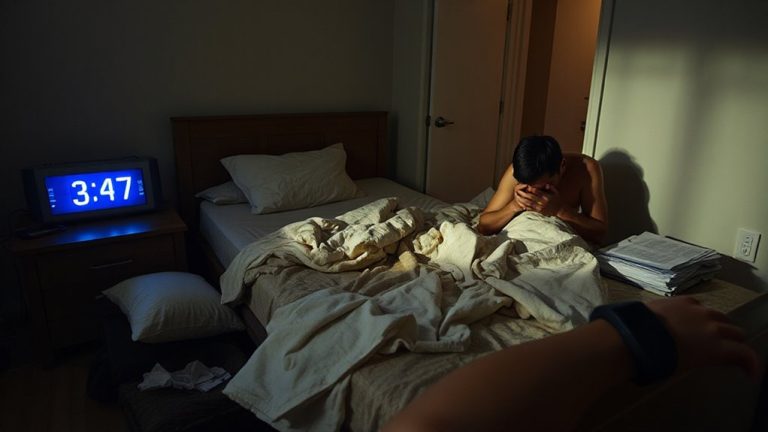
Why does a bad night’s sleep leave you feeling every ache more sharply? When you skimp on rest, your body’s ability to regulate pain gets thrown off. Lack of sleep fuels chronic inflammation, which sensitizes your tissues and amplifies discomfort. At the same time, your nervous system develops neural hypersensitivity, making pain signals louder and harder to ignore. You’re not just tired-you’re biologically primed to feel more. This shift affects daily choices, from how you move to whether you seek help. Recognizing this link helps you decide if improving sleep hygiene, treating a sleep disorder, or trying a sleep aid might reduce pain sensitivity. Devices like sleep trackers or white noise machines can support better rest, often with trial periods or warranties. Prioritizing sleep isn’t about comfort-it’s a practical step in managing how your body interprets pain.
How Your Spine Normally Blocks Pain Signals
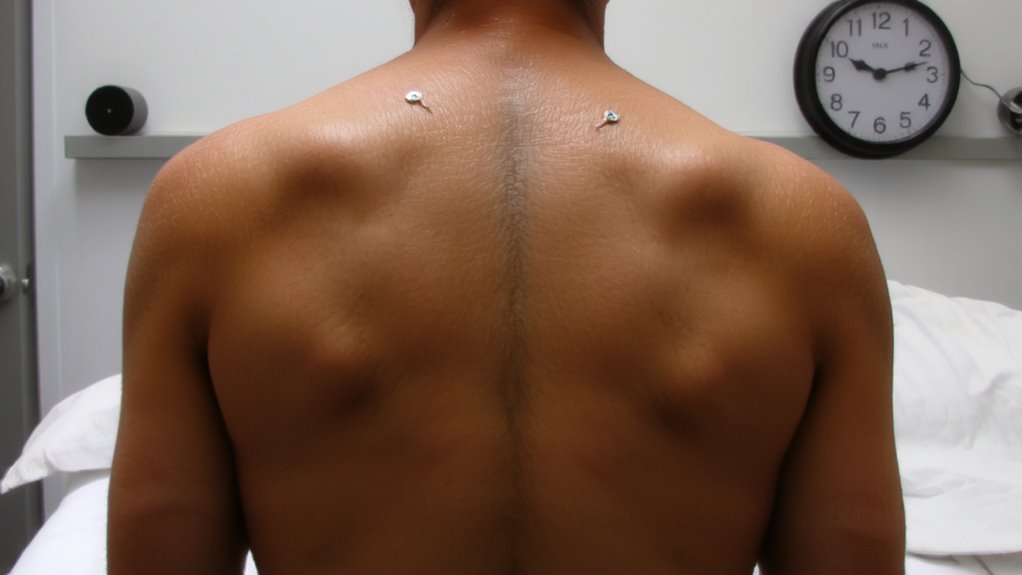
While your body is built to handle daily wear and tear, it relies on a finely tuned system in your spine to keep pain signals from escalating unnecessarily. Your spinal alignment plays a key role-when vertebrae are properly positioned, nerve pathways stay clear and function efficiently. This helps your spinal cord filter or block pain signals before they reach your brain, a process known as pain gate control. Good alignment reduces the risk of nerve compression, which can distort signals and cause discomfort even from minor stimuli. When nerves aren’t compressed, they transmit information accurately, allowing your body to respond appropriately. Maintaining this balance depends on structural health and central nervous system coordination. You benefit most when your spine supports normal signaling, letting your body manage pain without overreacting. This natural regulation works best with consistent, quality sleep-something to take into account when evaluating rest habits, sleep disorders, or aids that affect recovery and nervous system function.
Why Sleep Loss Weakens This Natural Pain Brake
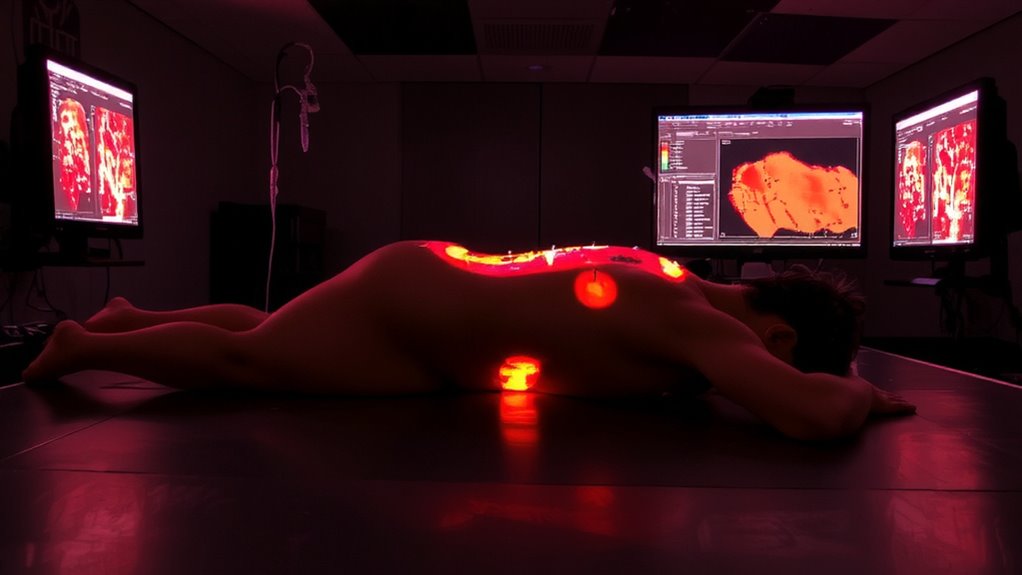
When you’re not getting enough sleep, your spine’s ability to regulate pain signals starts to break down, making everyday discomfort feel sharper and harder to manage. Chronic sleep loss increases neuroinflammation severity, which disrupts the spinal gate’s capacity to filter incoming pain messages. At the same time, a hormonal imbalance develops-cortisol rises while growth hormone and melatonin drop-further impairing tissue repair and neural stability. These shifts weaken your body’s natural pain brake over time. Poor sleep hygiene or untreated sleep disorders like insomnia or sleep apnea can worsen this effect. Over-the-counter sleep aids may offer short-term help, but long-term use risks dependency. Cognitive behavioral therapy for insomnia (CBT-I) has strong trial-backed results and no serious side effects. Look for devices with FDA clearance and warranty periods of at least one year if considering wearable sleep tech.
How Pain Pathways React When You’re Sleep-Deprived
Your nervous system doesn’t just react to pain-it processes and filters it through pathways that rely heavily on rest. When you’re sleep-deprived, these pathways struggle, partly due to circadian disruption, which throws off the body’s natural rhythm and pain-regulating hormones. Over time, neural fatigue sets in, slowing signal processing and weakening your brain’s ability to modulate incoming pain. This means even mild discomfort can feel sharper and harder to ignore. Without consistent sleep, your pain gate control doesn’t close as effectively, leaving you more vulnerable. Addressing sleep loss early-by improving sleep hygiene or evaluating for disorders like insomnia or sleep apnea-can help. Some find support through clinically backed sleep aids or adjustable mattresses with trial periods. Warranties and return policies matter when testing long-term fixes. Small, informed steps today support better pain management tomorrow.
What Studies Show About Sleep and Pain Sensitivity
Though research has consistently linked poor sleep to heightened pain sensitivity, you might not realize just how quickly this shift happens. Even one night of disrupted sleep can lower your pain threshold, especially in dermatomal zones. This response is tied to increased chronic inflammation and emotional distress, both known to amplify pain signals. Over time, repeated sleep loss may interfere with your body’s natural pain gate control, making everyday discomfort harder to manage.
| Factor | Impact on Pain Sensitivity |
|---|---|
| Poor sleep quality | Raises sensitivity within 24 hours |
| Chronic inflammation | Increases nerve signal intensity |
| Emotional distress | Weakens pain inhibition pathways |
Improving sleep hygiene or using clinically supported sleep aids may help, but consider features like onset time, duration, and trial periods when choosing options. Pay attention to how your body responds-early adjustments can make a measurable difference.
Can Better Sleep Restore Pain Control?
What if better sleep could reset your body’s ability to manage pain? Research suggests it can. When you restore consistent, quality rest, your circadian rhythm aligns, helping regulate pain signaling. This balance supports neural plasticity-the brain’s ability to reorganize and strengthen pain control pathways. Sleep improves how your spinal cord filters pain signals before they reach the brain, fundamentally tuning up your body’s natural gate control system. Without enough sleep, this system falters, increasing sensitivity. But with improved sleep, signal processing can rebound, even in specific dermatomal zones. You don’t need perfect sleep from the start-gradual improvements still help. It’s less about immediate fixes and more about steady patterns. Tracking your rest and any pain changes gives clues about what works. You’re not just resting-you’re actively supporting recovery through timing and consistency.
Simple Sleep Fixes to Reduce Pain Sensitivity
Improving sleep doesn’t require drastic changes to see results-small, consistent adjustments can make a real difference in how your body processes pain. Strengthening your sleep hygiene means setting a regular bedtime routine, like turning off screens an hour before sleep and keeping your room cool and dark. These habits signal your brain that it’s time to wind down, improving sleep quality over time. Avoiding caffeine late in the day and limiting naps helps maintain sleep drive at night. If pain disrupts rest, consider evaluating sleep aids under professional guidance-some offer short-term relief but vary in effectiveness and side effects. Look for products with trial periods or clear warranty information so you can test them safely. Simple changes won’t fix all issues, but they enhance your body’s natural pain control. Consistency matters more than perfection-small steps build lasting results.
On a final note
You’re more sensitive to pain when sleep-deprived because your spine’s natural pain gating weakens. Studies show poor sleep lowers pain thresholds, especially in dermatomal zones. Quality rest helps restore normal function. If you struggle with sleep, consider evidence-based fixes like consistent schedules or cognitive behavioral therapy. Some find relief with FDA-cleared sleep aids, though results vary. Check warranty and trial options before committing. Addressing sleep may improve pain control over time.