Educating Patients on Recognizing Sleep-Disordered Breathing Signs Linked to Scalene Hypertrophy
You might not realize it, but enlarged scalene muscles can narrow your airway while you sleep, leading to snoring, gasping, or unexplained fatigue. If you often wake up with a dry mouth, headaches, or neck tightness, your breathing could be disrupted. Poor posture from desk work may worsen this over time. These signs don’t always point to sleep apnea, but they’re worth tracking. Noticing patterns could help you decide whether to seek a professional evaluation or try posture-focused adjustments first-options that might improve both comfort and airflow at night. There’s more to reflect on about how neck muscle changes quietly influence sleep quality.
Notable Insights
- Enlarged scalene muscles can compress the airway, contributing to sleep-disordered breathing symptoms.
- Frequent snoring or breathing pauses during sleep may signal scalene-related airway obstruction.
- Waking up gasping or with morning headaches could indicate disrupted breathing from scalene hypertrophy.
- Neck tightness, swallowing difficulty, or jaw pain may accompany scalene muscle enlargement and airway issues.
- Poor posture and muscle strain can worsen scalene hypertrophy, increasing risk of nighttime breathing problems.
Scalene Hypertrophy and Breathing Problems
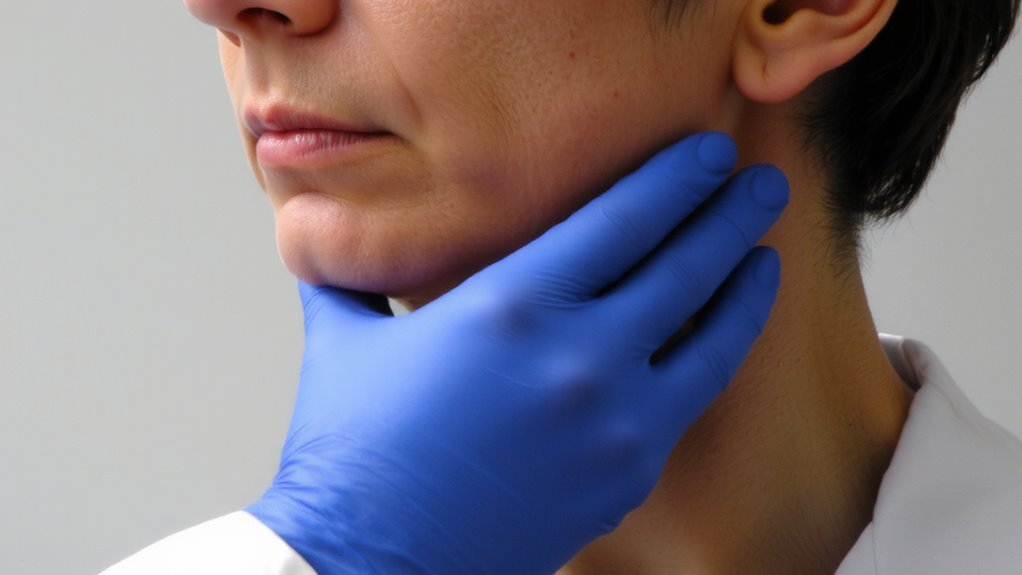
While your body relies on steady breathing during sleep, enlarged scalene muscles can sometimes make that harder than it should be. When these neck muscles thicken due to overuse or posture issues, they may contribute to muscle imbalance, altering how your upper airway functions. This imbalance can narrow breathing passages and, in some cases, lead to nerve compression, affecting diaphragm signaling and respiratory control. You might not notice it nightly, but over time, disrupted airflow patterns can reduce sleep quality. Though not everyone with scalene hypertrophy develops sleep-disordered breathing, the structural changes are worth considering if you snore or wake unrested. Devices like CPAP machines help maintain airway pressure, while posture trainers and physical therapy may address underlying causes. Always consult a specialist to assess whether muscle anatomy plays a role in your breathing disruptions. Using the right CPAP mask can also minimize complications like dry mouth, with best CPAP masks for dry mouth offering targeted solutions for comfort and adherence.
Early Warning Signs of Sleep-Disordered Breathing

Have you ever woken up still feeling tired, even after a full night in bed? That could be an early sign of sleep-disordered breathing. You might not realize it, but frequent snoring episodes or restless nights often point to underlying issues. Maybe your partner notices pauses in your breathing or you wake up gasping. Morning headaches, dry mouth, or irritability can also occur. These symptoms suggest your sleep quality isn’t where it should be. Monitoring your nighttime patterns helps identify problems sooner. Consider tracking snoring episodes with a sleep app or asking someone to observe your sleep. Simple changes like adjusting your sleep position or trying a CPAP device may help. Look for devices with trial periods and reliable support. Recognizing these signs now can lead to better choices for restful, healthier sleep. A non-invasive option to support airflow during sleep is using best nasal strips.
How Enlarged Scalene Muscles Block Your Airway

Why might stiff or enlarged scalene muscles make it harder to breathe while you’re asleep? When these neck muscles become hypertrophied, they can press inward during sleep, leading to airway compression. This narrowing reduces airflow, especially when lying down. Chronic muscle inflammation may worsen the swelling, further limiting space for unobstructed breathing.
| Issue | Impact on Breathing |
|---|---|
| Scalene hypertrophy | Restricts tracheal space |
| Muscle inflammation | Increases tissue pressure |
| Nighttime relaxation | Enhances airway compression |
| Neck positioning | Alters airflow resistance |
| Muscle stiffness | Reduces airway flexibility |
Over time, this interference may contribute to sleep-disordered breathing. Recognizing early signs helps guide decisions about sleep posture, pillow support, or when to consult a specialist for further evaluation. You don’t need a diagnosis yet-but noticing patterns is a practical first step.
Neck Tightness or Trouble Swallowing? It Might Be Your Scalenes?
Tightness in your neck or difficulty swallowing isn’t always about throat issues-your scalene muscles could be involved. When these muscles thicken from overuse, they compress nearby structures, possibly leading to jaw pain or voice changes. You might notice a persistent soreness along the sides of your neck, especially when turning your head or swallowing. These symptoms can worsen at night, affecting your sleep quality and breathing patterns. Since the scalenes are close to nerves and vessels involved in throat function, their enlargement may subtly alter speech or jaw movement. If you’ve ruled out dental or TMJ causes for jaw pain, consider a muscular origin. Voice changes without infection also warrant evaluating neck muscle health. Tracking these signs during sleep or daily activities helps determine if further evaluation is needed. Early recognition supports timely intervention.
How Poor Posture Triggers Scalene Hypertrophy
A surprising number of people develop scalene hypertrophy without realizing their posture plays a key role. Slouching or craning your neck forward strains these neck muscles, forcing them to work overtime just to keep your head up. Over time, this constant muscle strain leads to thickening and tightness. Poor alignment, especially during long periods at a desk or looking at a phone, increases tension in the scalenes. But the good news? Posture correction can help reduce this strain and prevent further issues.
| Posture Type | Scalene Involvement | Risk of Hypertrophy |
|---|---|---|
| Neutral Alignment | Low | Low |
| Forward Head | High | High |
| Slumped Sitting | Moderate | Moderate |
Simple awareness and consistent posture correction may help ease tension and support healthier breathing patterns.
When to See a Doctor for Neck-Linked Sleep Issues
Could your neck be affecting how well you sleep? If you’re waking up tired despite full hours in bed, it might be more than poor habits. Signs like gasping at night, loud snoring, or a consistently stiff neck could point to sleep apnea, especially when linked to physical changes like scalene hypertrophy. You’re not imagining it-tight, overdeveloped neck muscles can restrict airflow during sleep, worsening breathing disruptions. Chronic fatigue, morning headaches, and trouble concentrating are red flags that should prompt medical evaluation. Seeing a doctor helps determine if structural neck issues contribute to your symptoms. They might recommend a sleep study to confirm sleep apnea and assess severity. Early diagnosis supports better treatment choices, from CPAP therapy to targeted physical therapy. Don’t wait-persistent symptoms deserve answers. Getting checked improves your chances for restful, uninterrupted sleep and long-term health.
Lifestyle Fixes for Scalene-Related Sleep Issues
Why do some people wake up stiff and exhausted, even after a full night’s rest? You might be dealing with scalene-related sleep issues, where tight neck muscles disrupt breathing during sleep. Improving your sleep hygiene can make a real difference-try keeping a consistent bedtime, avoiding screens before bed, and using a supportive pillow that aligns your neck properly. Breathing exercises, like diaphragmatic breathing or pursed-lip techniques, help reduce reliance on neck muscles and promote smoother airflow. You can practice them daily, especially before sleeping. Staying hydrated and reducing alcohol intake also supports muscle function. These lifestyle fixes don’t replace medical care, but they’re practical steps you can start now. Give them a few weeks to see changes. If symptoms persist, it’s best to consult a professional, but small adjustments in routine might offer noticeable relief. Using a best leg pillow for back sleepers can further improve spinal alignment and reduce strain on the neck and shoulders during sleep.
On a final note
You might not realize it, but your neck muscles could be affecting your sleep. Enlarged scalene muscles may contribute to breathing issues at night, especially if you have poor posture or feel tightness in your neck. Watch for signs like snoring, gasping, or restless sleep. Consider a sleep evaluation if symptoms persist. Try posture adjustments and gentle stretches, and discuss sleep aids or therapy options with your doctor. Many devices offer trial periods, so test them to see what works.