How to Use Wearable Vibration Devices to Interrupt REM Sleep Behavior Episodes
You wear a vibration device on your arm or wrist to gently disrupt REM sleep behavior episodes. It senses abnormal movements and delivers mild pulses to shift your sleep safely. Choose one with adjustable settings, a comfortable fit, and reliable battery life. Pair it with a safer sleep environment to reduce injury. Make sure it connects properly and use trial periods to check effectiveness-more details can help you fine-tune your approach.
Notable Insights
- Wear the device snugly on the arm or wrist to ensure accurate movement detection during sleep.
- Charge the device fully before use to maintain consistent vibration delivery throughout the night.
- Customize vibration intensity and alert sensitivity based on individual movement patterns and symptom severity.
- Pair the device with smartphone apps or monitoring systems to track RBD episodes and adjust settings.
- Combine with a safe sleep environment, including padded rails and floor cushions, to prevent injuries.
How Vibration Devices Stop RBD Episodes
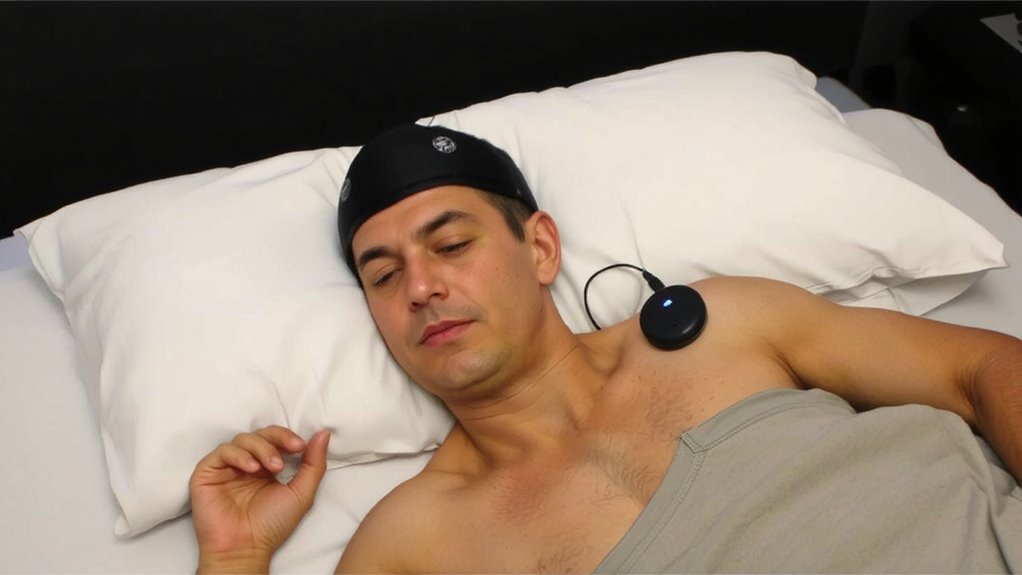
While you’re in REM sleep, your muscles usually relax completely, but if you have REM sleep behavior disorder (RBD), that paralysis doesn’t happen, which lets you act out dreams-sometimes violently. Wearable vibration devices help by sending gentle pulses during movement, using a specific vibration frequency calibrated to disrupt dream enactment without fully waking you. These devices detect muscle activity and respond with targeted sensory feedback, prompting your brain to shift sleep phases safely. Most wearables use adjustable intensity settings, so you can find the lowest effective level. They’re designed to be lightweight and comfortable, often with rechargeable batteries and hypoallergenic materials. Many offer trial periods and limited warranties, letting you test effectiveness risk-free. The sensory feedback works quickly, usually within seconds of abnormal movement. While results vary, consistent use may reduce episode frequency over time. Always consult your doctor before starting any sleep aid.
Choose the Right Wearable for Your RBD Symptoms
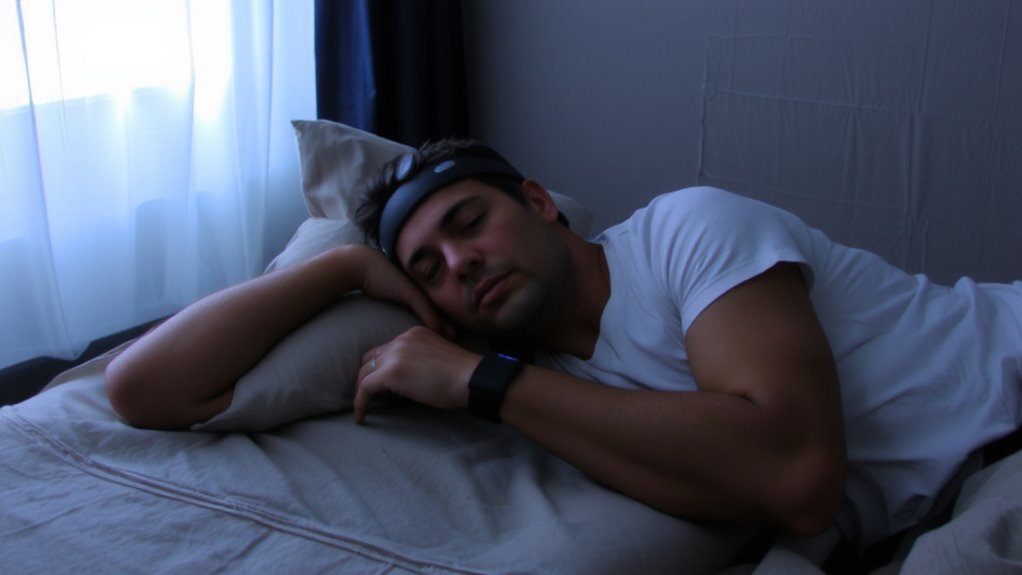
How do you find a wearable that truly fits your RBD needs? Start by checking device compatibility with your sleep setup-some sync with smartphones or CPAP machines, while others work standalone. Choose a model with reliable symptom tracking so you can monitor episode frequency and response over time. Look for a comfortable, adjustable band that stays secure without restricting movement. Devices with customizable vibration intensity let you respond effectively without fully waking. Check if the manufacturer offers a trial period or warranty, so you can test it without risk. Build quality matters-durable materials handle nightly use. Don’t assume price equals performance; compare features like battery life and data storage. Prioritize consistent performance and ease of use, since long-term adherence improves outcomes. With the right fit, your wearable becomes a practical part of safer, more restful sleep.
Set Up Your Device for Safer Sleep Nights
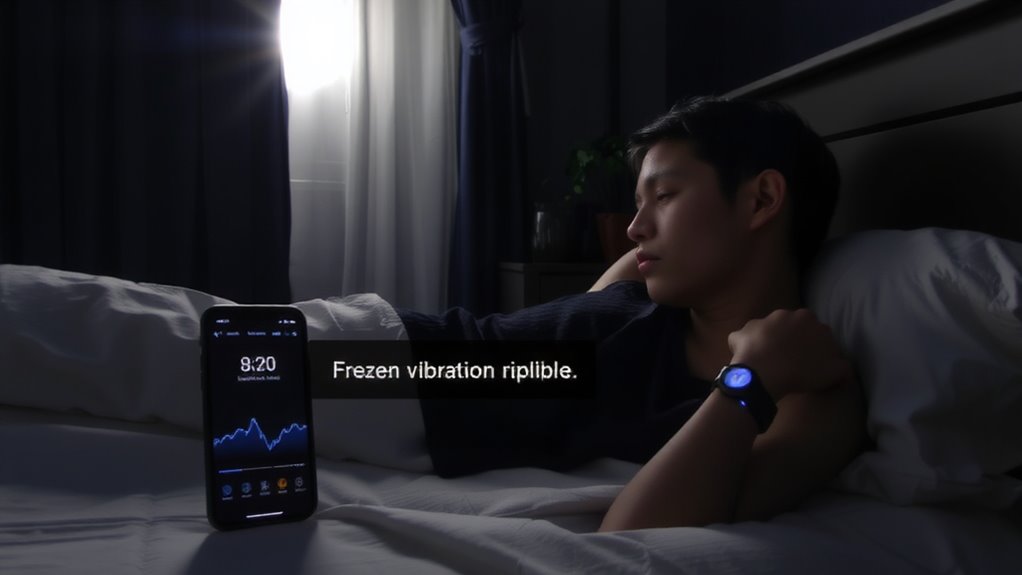
You’ve picked a wearable that fits your RBD symptoms, syncs with your sleep setup, and offers reliable tracking-now it’s time to set it up for real-world use. Start by charging it fully to test battery longevity, since consistent overnight power is essential. Wear it snug but not tight, ensuring device comfort so it stays in place without irritating your skin. Place it on your arm or wrist as recommended, where sensors can detect movement without slipping. Confirm it connects to your smartphone or hub, and run a trial night to check responsiveness. Most devices offer a warranty or return window-use that time to assess fit and function. Pay attention to how easily it vibrates during motion and whether it wakes you appropriately. Don’t skip reading setup instructions, since proper configuration supports long-term reliability. A well-placed, properly charged device works better over time.
Adjust Settings Based on Sleep Movement Alerts
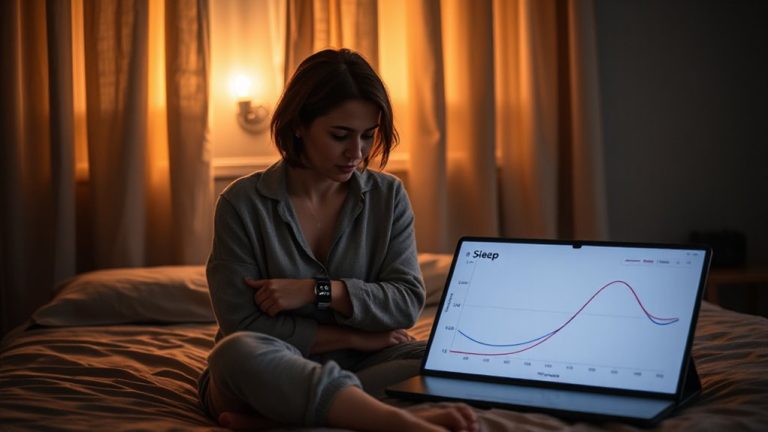
If your wearable sends alerts during sleep, you’ll want to fine-tune the sensitivity so it responds to meaningful movements without overreacting to harmless shifts. Effective sleep tracking depends on balanced alert customization to match your movement patterns. Review the data over a few nights and adjust settings accordingly.
| Sensitivity Level | Alert Frequency |
|---|---|
| Low | Rare alerts |
| Medium-Low | Occasional |
| Medium | Balanced |
| Medium-High | Frequent |
| High | Very frequent |
Higher sensitivity may cause unnecessary vibrations, while lower settings could miss key episodes. Most devices let you modify thresholds via the companion app. Use the sleep tracking insights to decide-consistent data improves alert customization. Some wearables offer a trial period, so test different levels to find what works best for your sleep routine without disruption. Choosing the right device can enhance accuracy, and reviewing the best sleep trackers helps identify models with reliable movement detection.
Stay Safe and Reduce Injuries During RBD Episodes
Safety during REM sleep behavior disorder (RBD) episodes starts with thoughtful preparation and the right tools. You can reduce risks by using wearable vibration devices that gently alert you before intense movements occur. These devices detect muscle activity and deliver mild vibrations, helping interrupt episodes without fully waking you. For bed partner safety, position the bed away from walls and remove sharp objects nearby. Use padded bed rails or place cushions on the floor to cushion falls. Nighttime injury prevention improves when you combine device use with a safe sleep environment. Choose wearables with adjustable sensitivity and trial periods so you can test what works. Look for models offering warranties and clear instructions. While no solution is perfect, pairing technology with smart room setup supports better outcomes. Always consult your doctor to tailor strategies to your needs.
On a final note
You can use wearable vibration devices to gently interrupt RBD episodes while you sleep. These tools detect unusual movement and respond with light vibrations, helping reduce injuries without fully waking you. Choose a device with adjustable sensitivity and a comfortable fit, then test settings over several nights. Most come with trial periods or warranties, so you can assess performance. Always consult your doctor to confirm it fits your sleep care plan.