How Evening Walking in Nature Lowers Sleep Anxiety
Evening walks in nature lower sleep anxiety by calming your nervous system when stress feels strongest. The rhythmic pace, cool air, and fading light signal your body it’s time to unwind. Trees and open spaces reduce mental clutter, while your breathing slows and cortisol drops. Walking 20 to 30 minutes between 6 and 8 p.m. aligns with your circadian rhythm, easing the shift into rest. Pairing it with mindful breathing or a short journal entry helps clear lingering thoughts-setting the stage for deeper, more restful nights. You might find simple changes make a noticeable difference over time.
Notable Insights
- Evening walks in nature reduce mental chatter by lowering cortisol and calming the nervous system.
- Exposure to fading daylight helps regulate circadian rhythms, promoting timely melatonin release.
- Rhythmic walking and fresh air decrease stress markers and break cycles of anxious thinking.
- Natural sensory input-like sounds and cool air-signals safety, easing the transition to sleep.
- Combining mindful breathing or journaling during walks enhances emotional processing and sleep onset.
Why Nighttime Anxiety Feels Worse
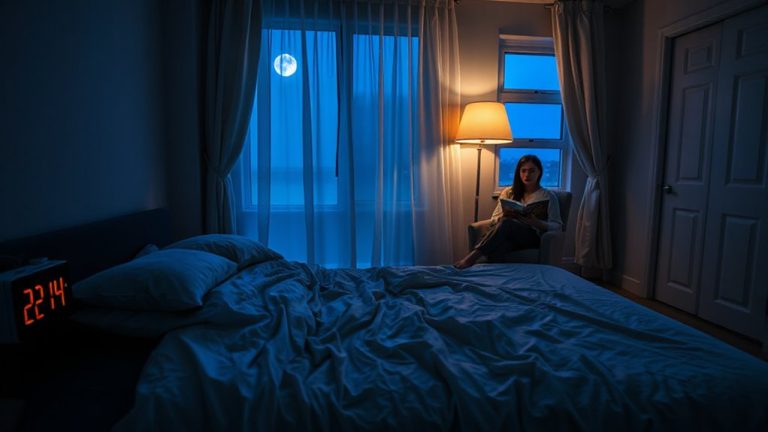
Many people notice their anxiety spikes at night, and you’re not imagining it-this shift often happens because fewer distractions make worries feel louder. When daytime ends, you lose background noise and activity, leading to sensory isolation that heightens internal thoughts. Without visual, auditory, or tactile input, your brain has less to process, but paradoxically, this quiet can worsen cognitive overload. Thoughts loop more easily when fatigue reduces mental filtering. You might replay decisions, anticipate tomorrow, or fixate on small stresses. This pattern disrupts sleep onset and lowers sleep quality. Over time, it may contribute to sleep disorders like insomnia. Tracking these patterns helps determine if behavioral changes or sleep aids are needed. Some find relief through structured wind-down routines or timed light exposure. Evaluating your evening environment and mental load is a practical first step toward better sleep decisions.
How Nature Helps You Unwind for Sleep
You’re not stuck with nighttime worry as the default-stepping outside, even briefly, can shift your body and mind toward rest. Practices like forest bathing and moon gazing help quiet mental chatter without medication or devices. These natural routines support relaxed breathing and lowered heart rate, easing you into sleep mode.
| Activity | How It Helps |
|---|---|
| Forest bathing | Reduces cortisol, boosts calm |
| Moon gazing | Encourages mindfulness, slows thoughts |
| Evening walk | Regulates circadian rhythm |
| Nature sounds | Masks jarring noise, aids focus |
You don’t need a long hike-just 10 to 15 minutes in a green space can make a difference. The combination of dim natural light and gentle sensory input prepares your system for sleep, offering a drug-free option to contemplate alongside other strategies.
What Evening Walks Do for Your Brain and Body
While your body winds down after a day’s work, an evening walk can gently guide your brain toward rest by aligning your internal clock with natural light patterns. As you stroll through nature, your mind experiences cognitive restoration, helping clear mental fog and reduce overthinking that often fuels sleep anxiety. The rhythmic movement and quiet surroundings promote neural relaxation, slowing brain activity linked to stress. Your breathing deepens, heart rate stabilizes, and cortisol levels begin to drop, creating conditions supportive of healthy sleep onset. Unlike sleep aids, which may carry side effects or dependency risks, walking is a natural method with few drawbacks and added wellness benefits. It doesn’t require special equipment or a prescription, making it accessible for most people. Trying a consistent routine-even just 20 minutes-can reveal improvements in both sleep quality and daytime focus, offering a low-risk option to explore alongside other sleep strategies.
Best Times and Lengths for Sleep-Boosting Walks
If you’re looking to improve your sleep naturally, timing your walk right can make a meaningful difference. The ideal timing for a sleep-boosting walk is between 6:00 and 8:00 p.m., when your body temperature begins to drop and melatonin production starts rising. This aligns with natural circadian shifts, supporting relaxation. Aim for a maximal duration of 20 to 30 minutes-long enough to reduce mental tension but short enough to avoid overstimulation. Walking too late, especially after 9:00 p.m., may interfere with sleep onset for some. A moderate pace on a quiet trail or neighborhood path works well. You don’t need special gear, just supportive shoes. Try different times and lengths over a week or two to see what fits your rhythm. Consistency matters more than perfection. This simple practice can reduce reliance on sleep aids and strengthen your natural sleep-wake cycle.
How to Start a 10-Minute Evening Walk Routine
What if a simple 10-minute walk each evening could ease the mental clutter that keeps you awake? Starting is easier than you think. Pick a consistent time just after dinner, when your body isn’t too full but the day’s tension lingers. You don’t need fancy walking gear-just supportive shoes and breathable clothes. Check the weather planning apps each afternoon so you’re ready for rain, wind, or cool air. A light jacket or umbrella stored by the door helps you stick with it. Begin with three days a week, then build to daily. Walk at a pace where you can breathe easily, letting your surroundings steady your thoughts. This routine suits most lifestyles and requires little time or equipment. It’s a low-risk option compared to sleep aids and can improve sleep onset without side effects. Try it for two weeks and observe how your sleep unfolds.
The Sensory Cues That Tell Your Body It’s Safe to Sleep
Why does your body relax in some environments but stay alert in others? It comes down to sensory signals that shape your sense of environmental safety. When you walk in nature at dusk, the fading light, soft sounds, and cool air align with your circadian rhythm, telling your brain it’s time to unwind. These cues-like the absence of harsh lights or sudden noises-signal low threat, helping your nervous system shift from alert to restful. Your body responds by lowering cortisol and increasing melatonin, making sleep feel safer and more natural. You don’t need sleep aids if your environment already supports this shift. Over time, consistent exposure to these calming inputs trains your brain to expect rest. Trial a few evening walks and observe how your sleep adjusts-no equipment, warranty, or purchase needed, just attention to your surroundings.
Pair Your Walk With Deep Breathing or Journaling
How might you deepen the calming effects of an evening walk? Pair it with deep breathing or journaling to support mindful reflection and sensory grounding. As you walk, inhale slowly through your nose for four counts, hold for four, then exhale through your mouth for six-this rhythmic pattern signals safety to your nervous system. If thoughts linger, pause briefly to note them in a small journal. Writing helps process the day’s stress, easing shifts into rest. These practices enhance your body’s natural cues for sleep without relying on aids. Deep breathing is free, portable, and requires no setup, while journaling offers long-term insight with minimal effort. Combined with nature’s calm, they offer a low-risk, consistent method to improve sleep onset. Try both for a week-many notice quieter minds within three nights. No special tools are needed, just willingness to test what works best for you.
On a final note
You can reduce sleep anxiety by taking a short evening walk in nature, where sensory cues like dimming light and quiet sounds signal safety to your brain. A 10-minute walk, done consistently at dusk, helps regulate sleep cycles without medication. Pair it with deep breathing or journaling for better results. This natural, low-cost practice fits easily into most routines and has no side effects, making it a reliable first step before considering sleep aids or treatments.