The Importance of Sleep Position in Narcolepsy Comfort
Your sleep position affects narcolepsy comfort by shaping sleep quality, airway health, and muscle relaxation. Lying on your side supports spine alignment and reduces breathing disruptions, while back or stomach sleeping may worsen symptoms. A supportive mattress and adjustable pillow help maintain proper posture, especially with memory foam or cervical designs. Cooling materials prevent overheating, and slight recline can ease sleep shifts. Many brands offer trial periods, so test what suits your habits-small changes could lead to noticeable improvements with time.
Notable Insights
- Sleep position influences REM cycle regulation and reduces narcolepsy-related daytime fatigue.
- Side sleeping supports spine alignment, improves breathing, and decreases nighttime disruptions.
- Back sleeping may trigger sleep paralysis or breathing issues, especially on soft mattresses.
- Elevated or reclined positions help minimize cataplexy discomfort and maintain airway openness.
- Proper pillow choice and room temperature promote stable sleep-wake transitions and comfort.
How Narcolepsy Disrupts Normal Sleep
While your body typically cycles through stages of sleep gradually, narcolepsy often interrupts this pattern, causing you to enter REM sleep unusually quickly-sometimes within 15 minutes of falling asleep. This shift disrupts your sleep architecture, the natural order and duration of sleep stages your brain relies on for rest. Normally, REM occurs later in the cycle, but with narcolepsy, that timing collapses, leading to fragmented nighttime sleep and daytime drowsiness. Researchers link this to a neurotransmitter imbalance, particularly low levels of hypocretin, which regulates wakefulness. This imbalance makes maintaining stable sleep difficult and contributes to sudden sleep attacks. Understanding your sleep structure helps you evaluate treatments, like medications or sleep aids, that target specific phases. Tracking sleep patterns can guide decisions on therapies that aim to restore balance, improve nighttime continuity, and support daily function-offering measurable benefits when tried consistently under medical advice.
Best Sleep Positions for Narcolepsy Relief
You can take steps to improve your sleep quality by adjusting your body position at night, especially since narcolepsy already disrupts your sleep cycle and makes rest harder to maintain. Choosing the right position supports breathing, reduces awakenings, and enhances sleep tracking accuracy. Below are recommended positions and their benefits:
| Position | Benefit |
|---|---|
| Back (supine) | Keeps airway open, aids sleep tracking |
| Slightly reclined | Reduces sleep paralysis triggers |
| Side (left) | Improves circulation, aids dream analysis |
| Fetal (loose) | Comfortable, supports spine alignment |
| Elevated head | Minimizes cataplexy-related discomfort |
Using supportive pillows and monitoring patterns through sleep tracking helps identify what works. Some note dream analysis reveals fewer disruptions in side or reclined positions. Trial different setups over a week to assess changes in energy and episode frequency. Reliable results come from consistent testing. Always prioritize comfort and stability to support longer, more restful cycles.
Worst Sleep Positions to Avoid With Narcolepsy
Lying on your stomach can worsen sleep quality if you have narcolepsy, since it strains the neck and restricts breathing, making it harder to stay in deep sleep. This position may also worsen sleep apnea, a condition common in narcolepsy patients, by limiting airway expansion and increasing breathing disruptions. You’re more likely to experience shallow, fragmented rest, which undermines daytime alertness. Sleeping flat on your back isn’t ideal either-especially if you snore or have diagnosed sleep apnea-as gravity can cause the tongue and soft tissues to collapse into the throat, raising apnea events. This posture also increases chances of developing back pain due to poor spinal alignment, particularly on overly soft mattresses. Without proper lumbar support, you may wake feeling stiff or fatigued. Avoiding these positions helps reduce nighttime disturbances, supports consistent sleep cycles, and may improve treatment outcomes when combined with prescribed sleep aids or therapy devices. Using a sleep apnea mouth guard can help maintain airway patency and reduce breathing interruptions during sleep.
Why Side Sleeping Helps Narcolepsy Symptoms?
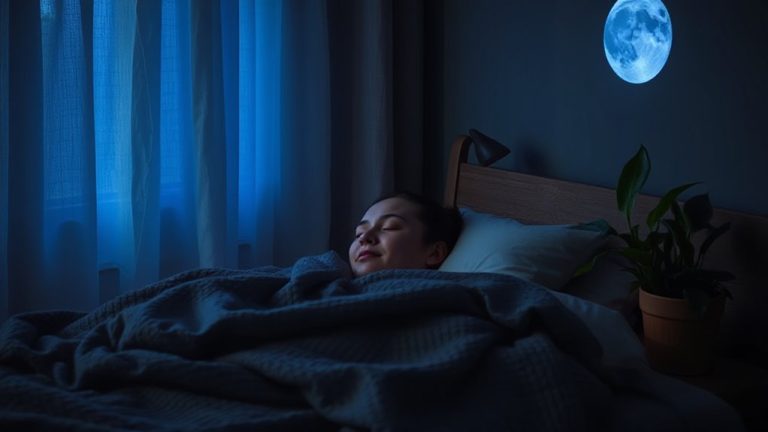
If you’re managing narcolepsy, switching to side sleeping might make a noticeable difference in how well you rest at night. This position supports natural spine alignment and encourages deeper muscle relaxation, which can reduce nighttime disruptions. Many people also report improved dream stabilization, meaning fewer fragmented REM cycles that often disturb sleep continuity. Choosing the right pillow can further enhance these benefits by maintaining proper neck support throughout the night, and a best pillow for side sleepers can make a significant difference in comfort and alignment.
| Benefit | How It Helps | Why It Matters |
|---|---|---|
| Airway openness | Reduces breathing resistance | Lowers risk of sleep interruptions |
| Muscle relaxation | Decreases tension in neck and shoulders | Enhances overall sleep quality |
| Spinal alignment | Supports neutral posture | Promotes comfort through the night |
| Dream stabilization | Encourages stable REM patterns | Helps maintain restful sleep cycles |
Side sleeping doesn’t require special equipment, but supportive pillows can improve alignment. Consider a medium-loft pillow to keep your head level with your spine.
How to Stay in a Good Sleep Position All Night
How can you maintain a beneficial sleep position throughout the night without constant adjustments? Using sleep tracking can help you identify patterns in movement and position shifts, giving you data to improve consistency. Many wearable devices or smart mattresses monitor your sleep phases and position changes, alerting you to habits that disrupt body alignment. To stay aligned, try placing a pillow between your knees if side sleeping-it supports your spine and reduces tossing. Wear fitted pajamas so fabric doesn’t bunch, and choose sheets with a slight grip to help anchor your body. Test different methods over a few nights, noting changes in how you feel. Look for sleep tracking tools with trial periods or warranties, so you can assess performance without risk. With time and observation, you can find what helps you stay aligned and reduce disruptions naturally. A reliable way to monitor these patterns is through the best sleep trackers for better rest.
Best Pillows and Supports for Narcolepsy Sleep
Choosing the right pillow and support system can make a noticeable difference in how well you maintain restful sleep, especially when managing narcolepsy. Memory foam pillows contour to your head and neck, offering consistent support that helps keep your spine aligned. You’ll want a pillow with enough firmness to maintain neck support without creating pressure points. Some memory foam models also feature cooling gel layers to prevent overheating. Look for adjustable loft options so you can tailor the height to your preferred sleep position. Cervical pillows are shaped to support the neck’s natural curve, which may reduce discomfort during sudden sleep episodes. Brands often offer trial periods and warranties, letting you test comfort and support over time. Make sure the pillow fits your mattress and sleeping posture. Proper support helps minimize disruptions, letting you wake feeling more refreshed.
Optimize Your Bedroom for Better Sleep Posture
While your pillow plays a key role in spinal alignment, the overall setup of your bedroom can either support or undermine good sleep posture, especially when managing narcolepsy. To create an ideal sleep environment, focus on comfort and consistency. Keep bedroom lighting low in the evening to signal your body it’s time to rest-dim or amber lights work best. Position your bed so you can lie down and rise easily, reducing strain. Use breathable, supportive bedding that keeps you comfortable all night. Make sure your mattress supports natural spinal curves, whether you sleep on your side, back, or stomach. A clutter-free, quiet room helps maintain uninterrupted sleep cycles. Consider blackout curtains and a cool room temperature around 65°F. These small adjustments improve both sleep quality and posture over time. Trial periods on mattresses or pillows let you test what truly works for your needs.
On a final note
You’ll sleep better by choosing a position that supports steady breathing and spinal alignment. Side sleeping often helps reduce narcolepsy-related disruptions, while stomach or flat-on-back positions might worsen symptoms. Use a supportive pillow to maintain neck alignment, and consider a contoured design for better posture. Test options with trial-period pillows, and adjust your bedroom setup for comfort. Small changes can improve sleep quality over time.