Why Pre-Bedtime Calisthenics Affect Sleep in Young Adults
Working out right before bed spikes your adrenaline and keeps your mind alert, making it harder to wind down. Calisthenics raise your body temperature, which delays the natural drop needed for sleep onset. Young adults, especially those with irregular sleep or high stress, feel these effects more strongly. Doing intense exercise 2–3 hours earlier helps your body cool and calm. Try light stretching or breathing exercises at night instead-your sleep rhythm will respond well. There’s more to explore on timing and alternatives.
Notable Insights
- Intense calisthenics before bed elevate adrenaline, delaying the body’s ability to wind down for sleep.
- Mental focus during exercise keeps cognitive functions alert, making it harder to quiet the mind.
- Core body temperature rises during calisthenics, interfering with the natural drop needed for sleep onset.
- Late-night workouts can disrupt melatonin release, affecting circadian rhythms in young adults.
- Young adults with irregular sleep patterns are more vulnerable to sleep onset delays after evening exercise.
Why Working Out Before Bed Keeps You Awake
Why do you feel alert instead of drowsy after a late-night workout? Your body experiences an adrenaline rush during intense movement, especially if done within two hours of bedtime. This surge increases heart rate and sharpens focus, delaying the natural wind-down process. You also gain mental stimulation from physical activity, making it harder to quiet your mind. Calisthenics, while convenient and equipment-free, activate both muscles and cognition through repetitive, coordinated motions. Though beneficial for fitness, timing matters when balancing sleep quality. If you struggle with falling asleep, consider shifting sessions earlier. For those with existing sleep disorders, late exercise may worsen restlessness. Sleep aids might seem helpful, but they don’t replace consistent routines. Trial workouts at different times to assess alertness. Most find evening routines are best when done with lower intensity. Warranties on sleep trackers can help monitor changes, offering data to guide decisions.
How Late Calisthenics Spike Your Alertness
Doing calisthenics late at night might leave you feeling more awake than relaxed, even if the workout seems mild. That’s because your body experiences an adrenaline surge during exercise, especially when it’s close to bedtime. This spike in stress hormones primes your nervous system, making it harder to shift into rest mode. At the same time, you’re not just physically active-you’re also dealing with mental activation, as your brain stays engaged with coordination, pacing, and focus. This combination keeps cognitive functions sharp when they should be winding down. For young adults, this alertness can delay sleep onset and reduce sleep quality. If you notice trouble falling asleep after evening workouts, shifting them earlier might help. Monitoring your response to timing can guide better choices about routine, sleep aids, or adjustments if sleep disorders are suspected.
Why Body Heat Blocks Sleep After Exercise
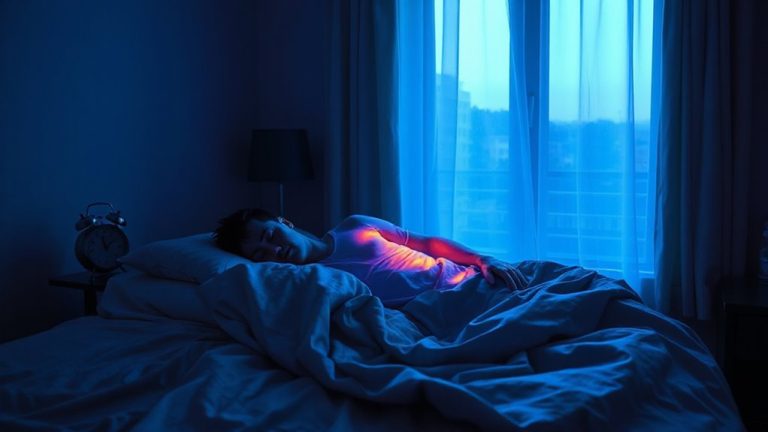
After a session of calisthenics, your body temperature rises, and that heat can linger just when you’re trying to fall asleep. Your brain expects a drop in body temperature to signal sleep, but post-exercise warmth delays this natural cooldown. That’s because exercise stimulates blood flow and metabolism, keeping your core hot even as bedtime nears. Elevated body temperature interferes with melatonin release, weakening your sleep onset. Over time, repeated nighttime exercise-induced heat can contribute to circadian disruption, making it harder to maintain a steady sleep schedule. You might find yourself tossing, not tired, or waking unrested. Cooling strategies-like a lukewarm shower, breathable bedding, or a fan-can help lower your core temperature faster. Sleep aids aren’t always needed; sometimes adjusting workout timing by even 60–90 minutes improves sleep quality. Trial earlier evening routines to see what supports both fitness and rest without compromising either. For targeted relief, consider using the best fans for night sweats to maintain a cool sleeping environment.
Who Struggles Most With Nighttime Workouts?
While you might think a nighttime workout fits perfectly into your schedule, certain people are far more likely to feel the consequences when trying to fall asleep. If you already deal with sleep anxiety or high mental stress, exercising close to bedtime can make it harder to wind down. Your heightened heart rate and body temperature combine with racing thoughts, making rest feel out of reach. Young adults with irregular sleep patterns or those prone to overthinking may notice the biggest disruptions. You might not see it at first, but repeated late workouts could worsen your sleep quality over time. Consider how your body responds-some adapt well, while others struggle to shift into rest mode. Tracking your mood and energy the next day can help you decide. It’s not about stopping exercise, but finding the timing that supports both fitness and consistent, restful sleep.
When to Exercise for Better Sleep
If you’re aiming to improve your sleep through exercise, timing plays a key role in how well your body shifts into rest. Exercise timing impacts your circadian rhythm, body temperature, and stress hormones-all of which influence sleep quality. Working out too close to bedtime can delay melatonin release, making it harder to fall asleep. For most people, finishing moderate to vigorous activity 2–3 hours before bed allows enough time for your body to wind down. Morning or afternoon workouts often support deeper, more consistent rest, especially if you struggle with falling or staying asleep. Even light evening movement, like stretching, may help-just avoid intense calisthenics. Finding the right balance improves both your energy during the day and your ability to shift smoothly into sleep. Experimenting with exercise timing can help identify how it affects your personal sleep quality.
What to Do Instead of Bedtime Workouts
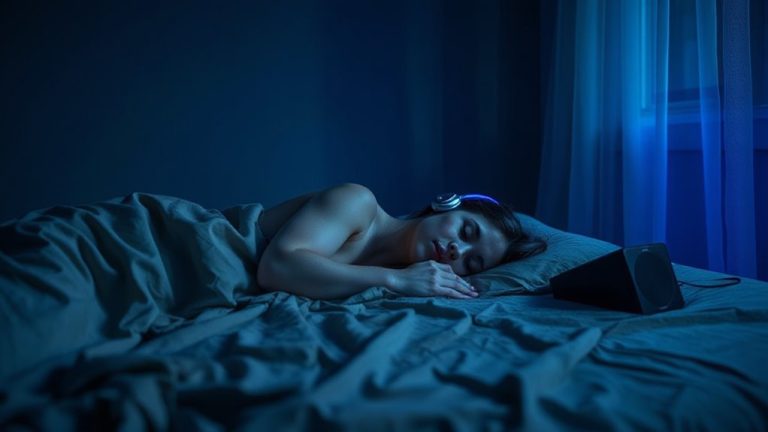
You can still support healthy sleep without late-night calisthenics by choosing calming activities that align with your body’s natural wind-down process. Gentle stretching for 10–15 minutes helps release muscle tension and prepares your body for rest. Combine this with mindful breathing-inhale slowly through your nose for four counts, hold for four, then exhale through your mouth. This practice calms your nervous system and reduces mental chatter. Reading a physical book or listening to low-volume, soothing music also supports relaxation. Avoid screens, since blue light can interfere with melatonin. These habits don’t require special tools or apps, making them accessible and easy to adjust. If sleep problems persist, consider tracking patterns for a few weeks before deciding on further steps. Small, consistent choices often improve sleep more effectively than quick fixes or sleep aids.
On a final note
You might feel alert after pre-bed calisthenics because your body temperature and heart rate stay elevated, delaying sleep onset. Core cooling takes time, and alertness hormones like cortisol can interfere with rest. If you struggle with falling asleep, shifting workouts earlier-by at least 1–2 hours-can help. Try light stretching or breathing exercises instead at night. Monitor how your body responds, since individual sleep needs and sensitivities vary, and adjust based on consistent results.