How Narcolepsy Affects Sleep Efficiency and Total Sleep Time
You might sleep for hours, but narcolepsy disrupts sleep efficiency by skipping deep stages and jumping into REM too soon. Your sleep stays fragmented, with frequent awakenings that keep you from feeling rested. Even long sleep doesn’t fix daytime fatigue because quality matters more than quantity. Faulty brain signaling, like low orexin, drives these unstable cycles. Naps help a little, but they won’t fully restore energy. Tracking your sleep patterns can reveal hidden disruptions-and what comes next may reshape how you manage your rest.
Notable Insights
- Narcolepsy disrupts sleep architecture, causing early REM onset and skipping restorative deep sleep stages.
- Fragmented nighttime sleep reduces sleep efficiency, leading to unrefreshing rest despite adequate time in bed.
- Frequent awakenings prevent sustained deep sleep, impairing sleep continuity and overall sleep quality.
- Extended sleep duration does not improve alertness due to intrinsically poor sleep quality and sleep inertia.
- Orexin deficiency destabilizes sleep-wake transitions, contributing to abnormal REM cycles and reduced sleep effectiveness.
What Is Narcolepsy and How Does It Break Sleep?
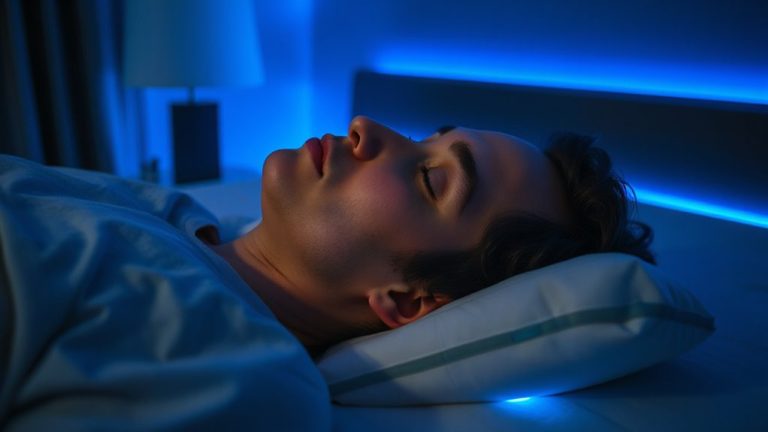
Why does someone with narcolepsy feel exhausted even after a full night’s sleep? Because narcolepsy disrupts your sleep architecture right from the start. Instead of moving smoothly through sleep stages, your brain often jumps straight into REM sleep, skipping essential deep sleep phases. This broken pattern means your body never fully rests, even if you’re in bed for eight hours. The issue stems from faulty neural regulation-your brain can’t properly control when you’re awake or asleep. As a result, nighttime sleep feels fragmented, and daytime alertness drops. You might wake up frequently or experience vivid dreams early in the night, clear signs your sleep cycle is unstable. Understanding this helps you decide whether to seek sleep studies or consider treatments that target sleep structure. Recognizing these patterns early improves how well any therapy works.
Why More Sleep Doesn’t Fix Narcolepsy Fatigue?
You might think that staying in bed longer would fix the constant tiredness from narcolepsy, but more sleep usually doesn’t help-and sometimes makes things feel worse. That’s because narcolepsy disrupts sleep quality, not just quantity. Even with extended time in bed, you’re likely to experience sleep inertia, that groggy, disoriented feeling upon waking, which can linger and reduce alertness. Your brain isn’t cycling through sleep stages properly, so rest doesn’t translate into energy. Researchers also link narcolepsy to metabolic dysregulation, which affects how your body stores and uses energy-meaning fatigue isn’t just about low sleep hours. This explains why simply adding more sleep time rarely improves daytime function. Treatments focusing on stabilizing sleep-wake cycles, like scheduled naps and medication, often work better than prolonged nighttime sleep. Talk to your doctor about options that address the root causes, not just symptoms, for more reliable results.
Frequent Wakeups Destroy Sleep Quality
Many people with narcolepsy spend hours in bed, yet still wake up feeling worn out because frequent nighttime awakenings break the flow of sleep and prevent deep, restorative cycles. You likely experience fragmented sleep, where even small nighttime disruptions stop you from reaching stable, quality rest. These interruptions may not always wake you fully, but they still weaken sleep efficiency. Over time, this pattern leaves you unrefreshed, no matter how long you stay in bed. Tracking your sleep can reveal how often you stir or wake, helping you and your doctor spot patterns. Some find relief with sleep aids designed to reduce nighttime disruptions, though results vary. Look for options with clear trial periods and solid performance data. Improving sleep continuity won’t cure narcolepsy, but it may help you feel more rested by supporting longer, less broken cycles.
Why REM Sleep Starts Too Soon in Narcolepsy?
Although sleep usually progresses through stages gradually, in narcolepsy your brain often jumps into REM sleep much faster than normal-sometimes within minutes of falling asleep. This unusual REM onset disrupts typical sleep architecture and is a hallmark of narcolepsy. It happens because of a neurotransmitter imbalance, particularly involving orexin (also called hypocretin), which helps regulate wakefulness and REM cycles. Without enough orexin, your brain can’t maintain stable sleep stages, leading to abrupt shifts into REM. This shift affects how rested you feel, even after hours in bed. Treatments often target these imbalances, using medications that stabilize sleep patterns or delay REM onset. Understanding this mechanism helps in choosing therapies, such as FDA-approved drugs with proven trial results and clear dosing guidelines. A sleep specialist can guide you through options, weighing effectiveness, side effects, and personal needs using evidence from clinical studies.
How Narcolepsy Drains Energy and Focus
Because narcolepsy disrupts the brain’s ability to regulate sleep-wake cycles, it often leaves you feeling drained even after a full night’s rest. You might wake up tired, struggle to stay alert during the day, or feel a constant need to nap-yet those naps don’t fully recharge you. This persistent fatigue leads to mental exhaustion, making it harder to process information or stay motivated. Tasks that require focus can feel overwhelming, and brain fog often clouds your thoughts, reducing clarity and reaction time. These symptoms aren’t just inconvenient-they affect work, school, and daily decisions. Recognizing the signs helps you choose effective strategies, like scheduled short naps, consistent sleep routines, or approved medications. Some use wake-promoting agents under medical guidance, often with trials to assess tolerance and results. Warranties on treatment devices, like CPAP machines if sleep apnea coexists, can offer added security during long-term management.
On a final note
You might sleep longer with narcolepsy, but frequent awakenings and early REM sleep disrupt rest, cutting sleep efficiency. More time in bed won’t fix the fatigue because sleep isn’t restorative. Treatments like scheduled naps, medications, or lifestyle changes can help manage symptoms. Always consult a sleep specialist before trying sleep aids. Many come with trials or warranties, so test options under guidance to find what improves your energy and focus safely.