Strategies for Preventing Accidents During Sudden Sleep Episodes
You might feel a yawn coming or notice your focus slipping-signs a sudden sleep episode could be near. If you’re driving or using machinery, pull over or power down right away. Wearables can alert you with a beep or vibration when they detect slow blinks or head droop. Schedule tough tasks when you’re naturally alert, like mid-morning, and take short breaks every hour. Some apps use your phone’s camera to check posture or voice tone. If lifestyle changes aren’t enough, talk to your doctor about medications that help with alertness or muscle control-dose adjustments are common to reduce side effects like headaches or nausea. Many devices offer trials and warranties, so you can test them with little risk. A support network helps, too-let friends or family know what signs to watch for. Exploring each option helps you stay safer when drowsiness strikes.
Notable Insights
- Recognize early signs like yawning and heavy eyelids to anticipate sudden sleep episodes.
- Pull over immediately and turn on hazards if drowsy while driving.
- Use wearables that detect drowsiness through eye movement or head motion to alert you.
- Schedule high-risk tasks during naturally alert periods, such as mid-morning.
- Consult a doctor about medications if lifestyle changes don’t prevent sudden sleep episodes.
Recognize the Warning Signs of Sudden Sleep Episodes
You might not realize how quickly a sudden sleep episode can happen, but recognizing the warning signs early could prevent serious accidents. You may notice yawning, heavy eyelids, or difficulty focusing-early clues your body is nearing sleep onset. These symptoms often precede microsleep episodes, brief lapses in alertness lasting a few seconds. During microsleep episodes, you’re technically asleep, even if you’re sitting upright or driving. Monitoring patterns like these helps identify potential sleep disorders such as narcolepsy or severe sleep apnea. Consider tracking your sleep with wearable devices that detect changes in heart rate and movement. Sleep aids and prescribed medications are options, but always consult a doctor first. Many come with trial periods or warranties, allowing real-world performance testing before long-term use. Small adjustments now can make a meaningful difference later.
Act Fast When Sleep Strikes in Dangerous Situations
When sleep strikes at a dangerous moment, like while driving or operating machinery, acting quickly can prevent serious harm. Your immediate actions could save your life or someone else’s. Recognize the signs-drooping eyelids, slow reactions-and respond fast. An effective emergency response means reducing risk without delay. Pull over or stop equipment immediately. Prioritize safety over finishing a task. Below are key steps to take:
| Situation | Immediate Action | Emergency Response |
|---|---|---|
| Driving | Pull over, turn on hazards | Call for help if needed |
| Operating machinery | Power down safely | Alert a supervisor |
| Cooking or using tools | Step away, shut off devices | Seek assistance if dizzy |
Stay aware, act fast, and reassess your sleep health to prevent future episodes.
Use Wearables and Apps That Alert You to Drowsiness
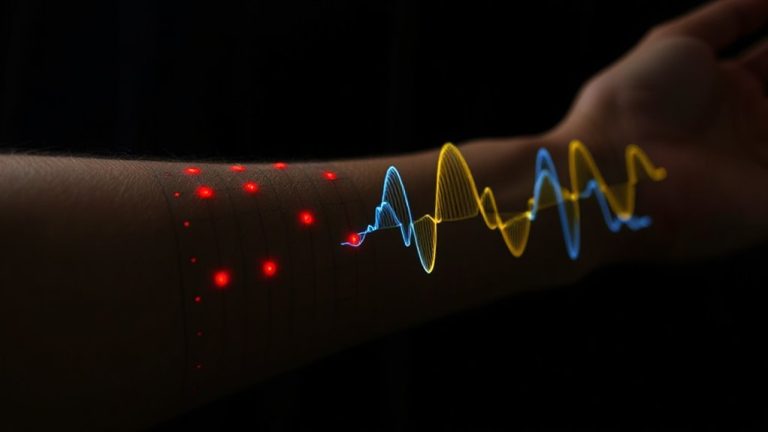
Though drowsiness can strike without warning, wearable devices and mobile apps designed to detect early signs of sleepiness offer a practical layer of protection. You can use sleep tracking features to monitor patterns in rest, helping you recognize when fatigue tends to build. Many wearables include alert systems that vibrate or beep when signs of drowsiness-like slowed eye movement or reduced head motion-are detected. These tools work well during driving or long work shifts. Some apps sync with smartwatches to give real-time feedback, while others analyze voice tone or posture via a phone’s camera. Most devices allow trial periods, and some come with warranties, letting you test them risk-free. They aren’t perfect, but when combined with medical advice, they add a useful layer of safety. Look for models with easy setup, strong battery life, and proven accuracy in independent reviews. For reliable performance, consider models recognized as the best watches for sleep tracking.
Plan Your Day to Avoid Dangerous Drowsiness
How can you stay alert when drowsiness threatens at the worst times? You can use better time management to reduce risk. Plan your day so demanding tasks happen when you’re naturally more awake, like mid-morning or early afternoon. Activity scheduling helps you avoid driving or operating machinery during low-energy windows. Break tasks into shorter blocks with rest periods in between, so fatigue doesn’t build up unnoticed. Avoid long stretches without movement-light activity every hour can boost alertness. If you have a sleep disorder, aligning your routine with your body’s limits makes a big difference. Track your energy for a few days to spot patterns and adjust. Smart planning won’t cure drowsiness, but it lowers the chance of sudden episodes causing harm. It’s a practical step that works well with other safety measures.
Ask Your Doctor About Medications That Prevent Collapse
You’ve already taken steps to manage your schedule and reduce risks by aligning activities with your most alert times, but if sudden drowsiness or muscle weakness still catches you off guard, it might be time to talk with your doctor about medication options. Certain medications can help prevent collapse by improving wakefulness or muscle control, and your doctor might suggest trying one if lifestyle changes aren’t enough. It’s important to review potential medication side effects, like headaches or nausea, so you know what to expect. Dosage adjustments are common at first-your doctor may start low and gradually increase to find the right balance for you. These adjustments help minimize risks while maximizing alertness. Always follow your doctor’s guidance, report how you feel, and don’t change doses on your own. Working together, you can find a safe, effective approach that fits your daily routine and health needs.
Get Friends and Family to Watch for Warning Signs
What if those closest to you could spot the early signs of a sleep episode before you even realize it’s coming? Sleep partners and family members can help by learning your personal visual cues-like drooping eyelids, slow blinking, or sudden head nods. These small changes often signal a sleep episode minutes before it happens. When others know what to watch for, they can alert you in time to sit down or stop activities like driving. Teach trusted people about your condition so they understand it’s not just tiredness. Simple communication helps them respond calmly. Sharing this responsibility doesn’t replace medical treatment, but it adds a layer of safety. Over time, tracking these moments together may also help your doctor fine-tune treatment. Being observed isn’t a loss of control-it’s using support to stay safer every day.
On a final note
You can reduce risks by spotting early signs of sudden sleep and acting fast, especially while driving or working. Wearables and apps may alert you to drowsiness, giving time to stop and rest. Plan routines that include regular sleep and smart naps. Talk to your doctor about treatments or medications that help you stay alert. Let trusted people help monitor symptoms. Consider trial periods or warranties when trying new aids or devices.