Why Cotton Flannel Duvet Covers Are Ideal for Winter Layering
You’ll stay warm all night because cotton flannel traps heat with its brushed fibers, which create insulating air pockets without heavy weight. It breathes well, so excess heat and moisture escape, reducing night sweats. The fabric softens over time, lasting through many washes while staying cozy. Organic options are eco-friendly and biodegradable. Most come with a warranty and trial period, so you can test comfort risk-free-there’s more to discover about getting the most from your winter bedding.
Notable Insights
- Cotton flannel traps body heat efficiently with brushed fibers that create insulating air pockets.
- Its breathable structure releases excess heat, preventing night sweats and maintaining comfort.
- Fine cotton fibers wick moisture, keeping the sleep environment dry and temperature-stable.
- Softens with each wash, reaching peak comfort after 20 cycles for lasting winter coziness.
- Sustainable and durable, organic cotton flannel reduces environmental impact while enduring repeated use.
Why Cotton Flannel Keeps You Warm All Night
Even though it’s lightweight, cotton flannel traps body heat efficiently because of its finely brushed fibers, which create tiny air pockets that act as natural insulators. You benefit from excellent thermal retention, meaning the fabric holds warmth without weighing you down. This cozy insulation helps maintain a stable microclimate under your duvet, supporting uninterrupted sleep. Unlike heavier fabrics, cotton flannel adapts easily to your body, making it ideal if you shift positions often or struggle with restlessness at night. Its breathable structure complements natural sleep rhythms, and since it’s derived from cotton, it remains soft and non-irritating for sensitive skin. Most quality cotton flannel duvet covers are machine-washable and become even softer with use. Many brands offer trial periods-typically 30 to 90 days-so you can test comfort and warmth risk-free. A warranty of at least one year protects against pilling or seam defects.
How Cotton Flannel Regulates Body Temperature
Because cotton flannel is breathable yet insulating, it helps balance your body temperature throughout the night by allowing excess heat and moisture to escape while retaining enough warmth to keep you comfortable. You benefit from its natural thermal regulation, which adjusts subtly as your body heats up or cools down during sleep. The fabric’s loosely spun fibers trap warm air when it’s cold but release it when you begin to overheat, reducing night sweats and disruptions. Its cotton base also supports effective moisture management, wicking light perspiration away from your skin so you stay dry. This combination of breathability and gentle insulation makes flannel suitable if you’re prone to restless sleep due to temperature swings. Many brands offer cotton flannel duvet covers with deep pockets, secure closures, and easy-care finishes, often backed by trial periods so you can test comfort risk-free.
Why Breathability Beats Trapped Heat in Winter
You might think trapping heat is the best way to stay warm in winter, but too much insulation without airflow can leave you feeling stuffy and sweaty by midnight. Cotton flannel duvet covers offer balanced warmth because they prioritize breathability. Their loose weave supports natural air circulation, letting excess heat escape so you don’t overheat. Unlike synthetic fabrics that trap moisture, cotton flannel aids moisture management by absorbing and releasing humidity away from your skin. This helps maintain a dry, comfortable sleep environment, which is especially helpful if you tend to wake up flushed or damp. Better air circulation also supports stable body temperature throughout the night, reducing disruptions. If you’re sensitive to heat or use sleep aids that affect temperature regulation, breathable bedding can improve comfort and sleep quality. It’s a practical choice for staying warm without sacrificing freshness.
How Cotton Flannel Gets Softer With Every Wash
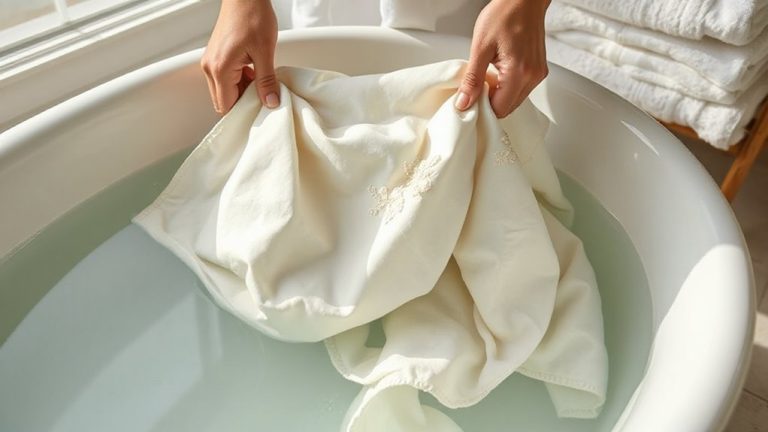
While you may expect bedding to lose comfort over time, cotton flannel actually improves with regular use and washing. This fabric evolution happens as fibers relax and align, creating a smoother, cozier feel against your skin. Each wash enhances softness while maintaining wash durability, so your duvet cover won’t thin or pill easily. Ideal for winter sleep routines, this gentle texture supports relaxation without overheating-helpful if you struggle with night discomfort or restlessness. Over time, the material adapts to your body, improving sleep quality through consistent comfort.
| Wash Cycle | Softness Level |
|---|---|
| 1 | Slightly softer |
| 5 | Noticeably smooth |
| 10 | Plush and broken-in |
| 15 | Luxuriously soft |
| 20 | Peak comfort |
With steady care, cotton flannel supports long-term sleep wellness, offering a wash-in durability that balances softness and strength.
Why Cotton Flannel Is Better for the Planet
Cotton flannel doesn’t just feel good on your skin-it’s also kinder to the planet than many alternatives. When you choose cotton flannel made from organically grown cotton, you’re supporting sustainable farming practices that reduce chemical runoff and conserve water. Unlike synthetic fabrics, cotton is biodegradable, which means it breaks down naturally and reduces landfill waste over time. This helps lower your overall eco footprint while still giving you cozy, breathable comfort all winter. Many cotton flannel duvet covers are also produced with fewer dyes and safer processing methods, making them safer for both sleepers and ecosystems. Since they’re durable and soften with use, you won’t need to replace them often, cutting down on repeated purchases and waste. Choosing cotton flannel isn’t a perfect solution, but it’s a practical step toward more responsible bedding-offering warmth, comfort, and modest environmental benefits worth considering.
How to Layer Cotton Flannel for Maximum Warmth
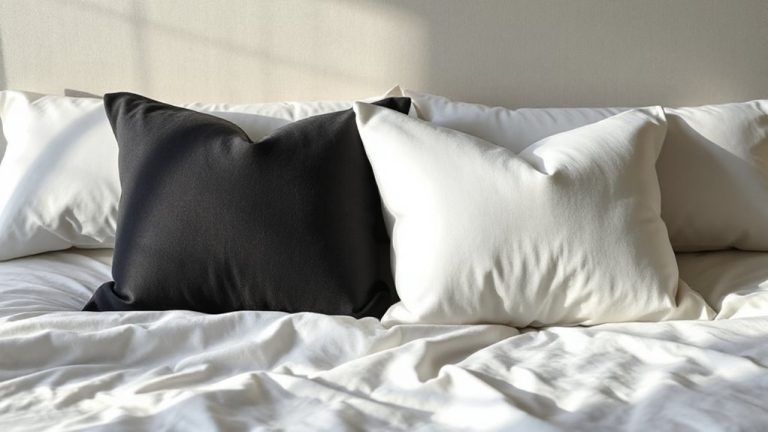
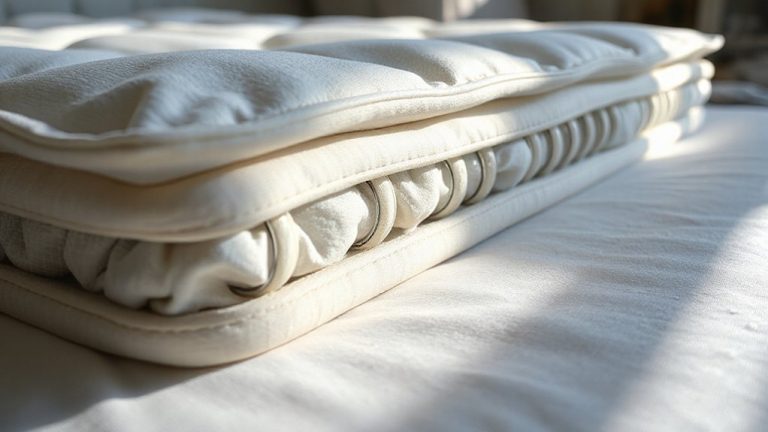
Because warmth retention depends on how layers trap heat, starting with a well-chosen base layer under your cotton flannel duvet cover makes a noticeable difference. You’ll boost thermal retention by adding a moisture-wicking sheet set next to your skin, which helps regulate body temperature throughout the night. Over that, consider a lightweight fleece or down-alternative blanket for added fabric insulation without excess weight. The cotton flannel duvet cover works best when paired with a quality insert-goose down or a high-loft synthetic-to enhance overall warmth. Avoid over-layering, as too many heavy fabrics can disrupt sleep by trapping too much heat or limiting airflow. A well-layered bed supports restful sleep, especially if you’re sensitive to temperature shifts. Most cotton flannel bedding brands offer trial periods, so you can test comfort and thermal performance before fully committing.
On a final note
You’ll sleep warmer and more comfortably with cotton flannel duvet covers, thanks to their brushed fibers that trap heat without overheating. They’re breathable, so moisture escapes and temperature stays balanced. With every wash, they soften while holding up well over time. Grown and processed with fewer chemicals, they’re a planet-friendly pick. Many brands offer trial periods, so you can test warmth and comfort risk-free before deciding.