How Sleep Disorders Mimic Normal Cycle Patterns but Lack Depth
You might sleep all night but still feel tired because sleep disorders like apnea or insomnia can mimic normal sleep cycles while blocking deep, restorative stages. Your brain may seem to follow a regular pattern, yet frequent micro-awakenings or light sleep prevent true recovery. Wearables can track disruptions, but a sleep study detects hidden issues. Treatments like CPAP or behavioral therapy help restore depth-lasting improvement often depends on addressing root causes, not just time in bed. There’s more to discover about reclaiming truly restful nights.
Notable Insights
- Sleep disorders can preserve the timing of sleep stages but reduce deep slow-wave and REM sleep essential for restoration.
- Brainwave patterns may appear cyclic but lack the amplitude and stability needed for effective neural recovery.
- Conditions like sleep apnea cause frequent micro-awakenings that fragment deep sleep without fully disrupting the sleep cycle.
- Insomnia often leads to prolonged light sleep that mimics normal progression but fails to reach restorative deep stages.
- Wearable trackers may show normal sleep duration and stage sequence, yet clinical studies reveal deficient deep sleep architecture.
What If You Sleep All Night But Still Feel Tired?
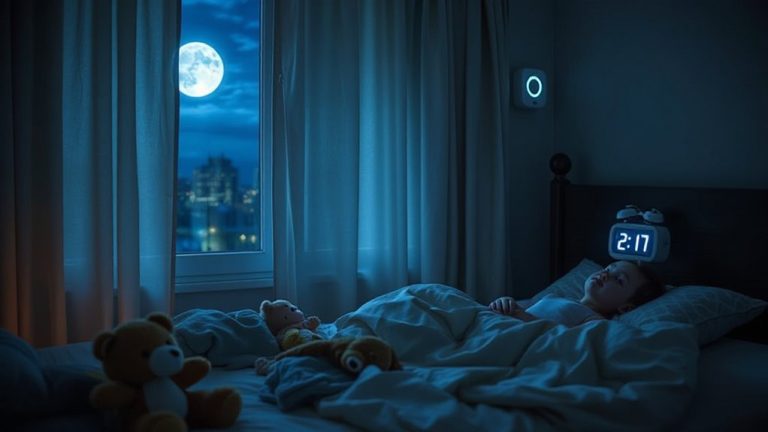
What if you sleep all night but still wake up feeling worn out? It’s not just sleep duration that matters-sleep quality plays a vital role. Even with a full night’s rest, disrupted brain activity during key sleep stages can prevent deep, restorative rest. You might not realize it, but frequent, unnoticed awakenings or light sleep cycles can impair recovery. This is common in conditions like sleep apnea or insomnia, where brain activity remains too active. To assess your sleep quality, consider tracking tools like wearable monitors or sleep diaries. Some find value in clinical sleep studies that measure brain activity directly. Over-the-counter aids or lifestyle changes may help, but check with a health provider first. Many devices offer trial periods, letting you test effectiveness. Look for models with clear data reporting and solid warranties. Better sleep quality often means better mornings. For accurate insights, consider using one of the best sleep trackers recommended in expert guides.
How Sleep Should Restore Your Body and Mind
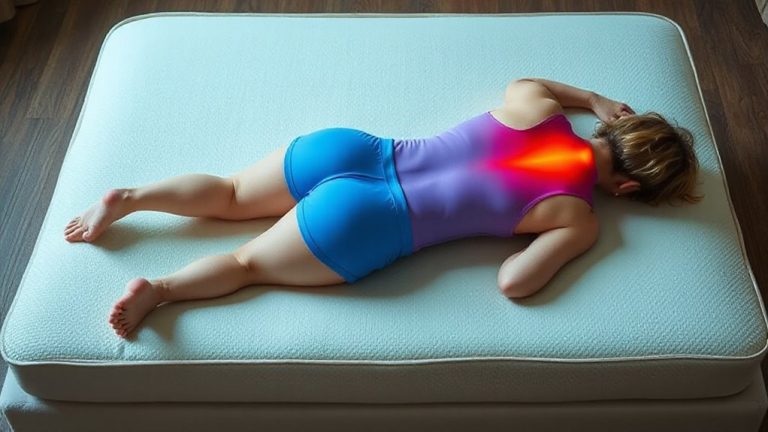
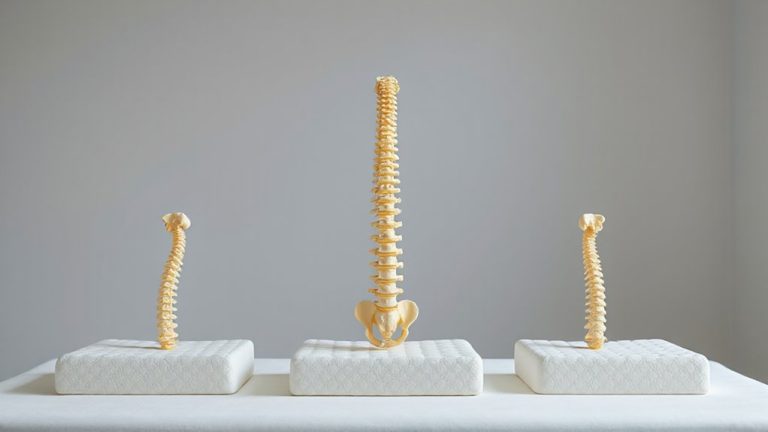
While you’re asleep, your body and brain go through a quiet yet essential process of repair and renewal. You rebuild tissues, balance hormones, and clear waste from the brain, all tied to sleep quality. Your mind consolidates memories and processes emotions, supporting mental rejuvenation. This restoration happens most effectively during deep and REM sleep stages, which require consistent, uninterrupted cycles. Poor sleep quality-marked by frequent awakenings or shallow sleep-blocks these benefits, even if you spend enough time in bed. Choosing a supportive mattress, limiting screen time before bed, and keeping a regular schedule can improve your sleep quality. Some find sleep aids helpful short-term, but they don’t replace natural cycles. Look for devices like sound machines or wearables that track patterns, often backed by trial periods. Prioritize solutions that enhance, not replace, your body’s natural recovery.
Why You Wake Up Exhausted Despite Enough Hours?
You might be getting eight hours in bed, but if you’re still waking up feeling drained, the issue isn’t just time-it’s quality. Poor sleep quality often means your body isn’t cycling through restorative stages effectively, even if you’re in bed long enough. Your circadian rhythm helps regulate these cycles, but disruptions-like irregular sleep times or blue light at night-can weaken its signal. Without solid deep sleep and REM phases, you wake up tired. This happens even when sleep duration looks good on paper. Improving sleep hygiene, such as keeping a consistent bedtime and limiting screen use, supports better alignment with your circadian rhythm. These changes don’t require special products, though some find sleep aids helpful short-term. Look for options with clear trial periods or medical guidance. The goal is sustainable rest, not quick fixes. Track changes over a few weeks to judge real improvement. Some people explore natural supplements like tart cherry supplements to support sleep quality and circadian rhythm regulation.
Could a Sleep Disorder Be Blocking Deep Rest?
Isn’t it strange how you can spend hours in bed yet never seem to reach that truly invigorating deep sleep? You might be going through the usual sleep stages, but if a disorder is disrupting your sleep architecture, you’re missing the deep, restorative phases. Conditions like sleep apnea or insomnia interfere with neural oscillations-those brainwave patterns essential for stabilizing deep sleep. Without them, you’re stuck in lighter cycles, never fully recharging. Even if your bedtime routine looks normal, hidden disruptions could block the depth you need. Some sleep trackers now monitor patterns linked to these oscillations, helping identify possible issues. Treatments, from CPAP machines to prescribed therapies, are designed to restore proper architecture. Many come with trials or warranties, letting you test effectiveness. It’s not just about more sleep-it’s about enabling your brain to achieve deep rest when it counts. Top models can detect sleep-optimizing fitness trackers and provide detailed insights into sleep quality.
How to Know If Your Sleep Is Truly Restorative?
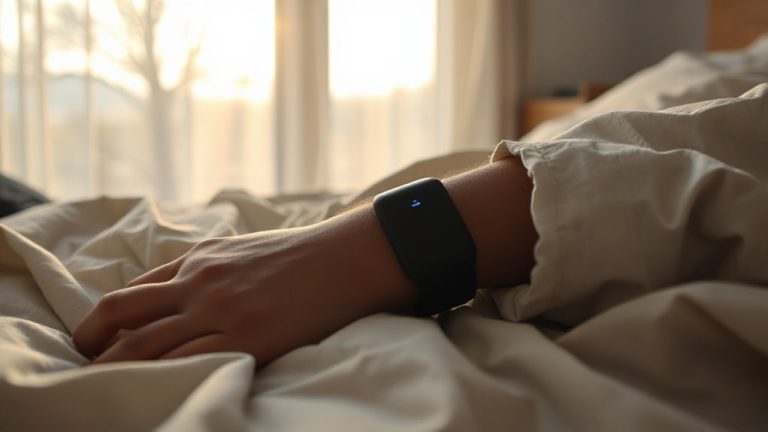
How can you tell whether your sleep is truly restoring your energy and focus? Look beyond just hours spent in bed. Restorative sleep depends on healthy sleep architecture-your cycle through light, deep, and REM stages. If you wake up tired despite eight hours, your brain may lack sufficient slow-wave sleep or stable neural oscillations, the brainwave patterns that signal deep restoration. Disrupted rhythms, often due to stress or sleep disorders, weaken these signals. You might not remember waking, but micro-interruptions harm recovery. Consider tracking sleep quality through wearable devices that monitor movement and heart rate patterns. Some tools estimate sleep stages and detect irregularities in neural oscillations. When in doubt, a sleep study can reveal structural issues. Simple changes-consistent bedtime, reduced screen time, or tested sleep aids-may improve depth. Check product details: many offer 30-day trials or limited warranties for informed testing.
On a final note
You might sleep for hours but still feel drained because not all sleep restores equally. Deep, restorative stages are essential, and disorders like apnea can disrupt them without obvious symptoms. If you’re tired despite long sleep, consider tracking patterns or consulting a specialist. Some aids help, but effectiveness varies-look for adjustable features, reliable performance, and trial periods to test comfort. Addressing the root cause often works better than relying on devices alone.