Gradually Shifting Sleep Onset Times Using Controlled Light/Dark Cycles
You can shift your sleep onset earlier by using morning light and evening dark cues to reset your circadian rhythm. Get bright light soon after waking-sunlight or a light therapy lamp helps signal alertness and pushes your clock earlier. Dim lights and reduce blue light in the evening using warm bulbs or blue-blocking glasses to support natural melatonin release. Stick to a consistent wake time and gradually adjust bedtime by 10–15 minutes nightly. Pairing smart lighting with simple habits improves sleep timing reliably-and discovering how to fine-tune your routine can bring even better results.
Notable Insights
- Expose yourself to bright morning light within one hour of waking to advance your circadian rhythm.
- Dim indoor lighting and use warm-toned bulbs (2200K–2700K) one hour before bed to support melatonin onset.
- Gradually shift bedtime earlier by 10–15 minutes nightly while keeping wake time consistent.
- Limit evening blue light from screens using filters, blue-blocking glasses, or avoiding devices.
- Use smart lamps with sunrise/sunset modes to automate and enhance natural light-dark cycle alignment.
Use Morning Light to Reset Your Sleep Schedule
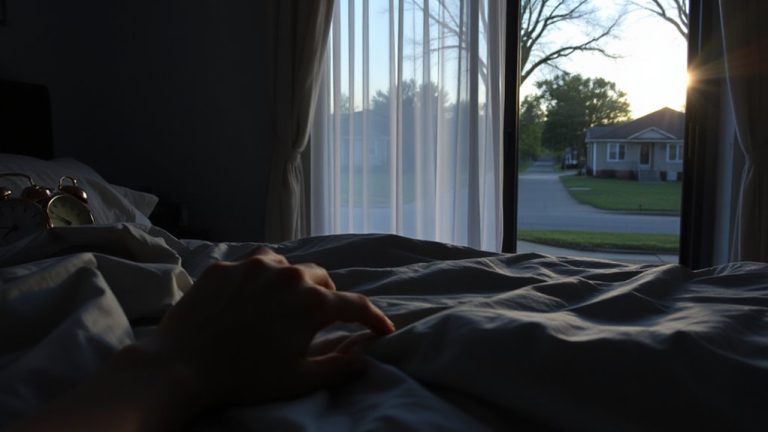
Why do you feel more alert after a sunrise walk? Morning light hits your eyes and signals your brain to stop producing melatonin, shifting your melatonin timing earlier. This helps reset your internal clock, especially if you struggle with falling asleep too late. You’re using circadian flexibility-your body’s natural ability to adjust its rhythm based on light cues. Consistent morning light exposure, ideally within an hour of waking, strengthens this shift. It’s free, has no side effects, and doesn’t require sleep aids. Unlike pills or devices with trial periods or warranties, natural light works immediately with regular use. Performance improves over days, not instantly. For those with mild sleep onset issues, this method supports gradual, sustainable change. You don’t need special equipment-just access to daylight. Consider it a foundational step before turning to supplements or therapy. For those seeking stronger intervention, a well-designed light therapy lamp can enhance the timing and intensity of your light exposure.
Dim Lights Gradually to Prepare for Sleep
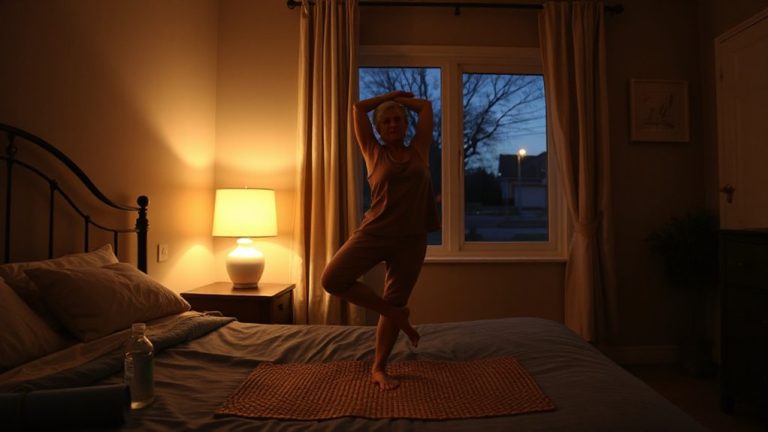
As the evening progresses, your body starts getting ready for sleep, and dimming the lights can help speed up that process by signaling your brain to begin producing melatonin. Using dim lighting in the hour before bed supports your natural circadian rhythm. Gradual dimming-lowering light levels step by step-mimics sunset, making the shift to sleep smoother. This method helps reduce alertness without straining your eyes or disrupting evening routines. You can use lamps with adjustable brightness, smart bulbs, or dimmer switches to control light levels. Avoid bright overhead lights, especially blue-rich LEDs, as they delay melatonin release. Dim lighting doesn’t require special equipment, but products with gradual dimming features often include timers or app controls for convenience. Some come with warranties, making them reliable long-term choices. Trying different setups lets you find what works best for your sleep pattern. For a cozy bedroom ambiance that supports sleep, consider using warm-toned bulbs with a best color light bulb choice ideally between 2200K to 2700K.
Follow a 7-Day Plan to Fall Asleep Earlier
Shifting your sleep schedule earlier over seven days can help align your body’s internal clock with your desired bedtime, especially when done with consistent light exposure cues. Each night, move your bedtime forward by 10–15 minutes while waking up at the same time daily. This gradual shift supports natural circadian rhythms. Pair this with strong sleep hygiene-like keeping your bedroom cool, quiet, and screen-free. Use relaxation techniques such as deep breathing or gentle stretching to signal it’s time to wind down. Avoid stimulants in the evening and stick to a predictable pre-sleep routine. These steps enhance sleep quality without immediate reliance on sleep aids. Many find improvement within a week, though individual results vary. If sleep issues persist, consider consulting a professional to explore underlying sleep disorders. Patience and consistency are key to long-term success.
Avoid Blue Light and Late Bright Exposure
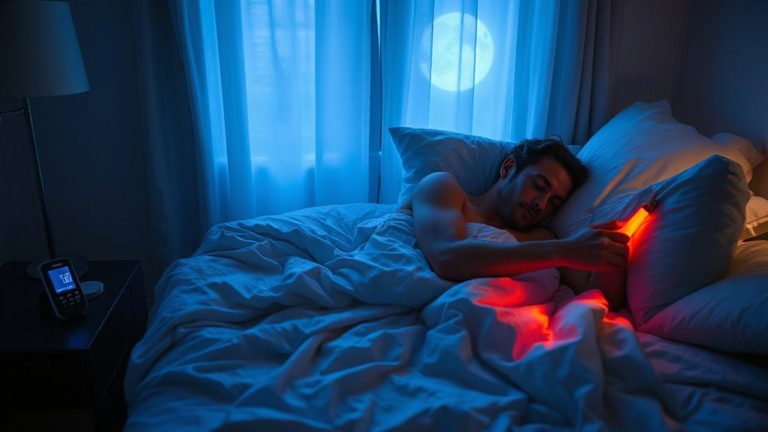
When you’re trying to reset your sleep schedule, minimizing blue light and bright light exposure in the evening becomes a key factor in supporting your body’s natural shift toward earlier sleep. Blue light from phones, tablets, and screens delays melatonin release, making it harder to feel sleepy. Using screen filters after sunset can reduce this effect without disrupting your activities. You should also dim indoor lighting one to two hours before bed to signal to your brain that it’s time to wind down. Pair these changes with consistent bedtime routines-like reading or light stretching-to strengthen your body’s sleep cues. Avoiding late bright exposure doesn’t require extreme measures; small, deliberate adjustments improve results over time. Most people notice improvements within a few days when combining reduced blue light with structured routines. This approach supports natural circadian alignment without relying on sleep aids. Consider replacing standard bulbs with blue light blocking alternatives, such as best blue light blocking bulbs, to further minimize disruptive light in the evening.
Use Smart Lamps and Blue-Blocking Glasses
Though you’re already cutting back on evening screen time, adding smart lamps or blue-blocking glasses can give you more control over your light exposure as part of a gradual sleep shift. Smart lamps offer programmable brightness and color temperature, letting you reduce blue light filtering in the evening automatically. With smart lamp features like sunrise simulation and sunset modes, you can mimic natural light patterns that support your circadian rhythm. Blue-blocking glasses, especially those with amber or red lenses, filter blue light effectively when used two hours before bed. They’re portable, require no setup, and work well when traveling or in bright environments. Many models come with lightweight frames and anti-reflective coatings for comfort. Some brands offer trial periods, so you can test fit and effectiveness. Both tools support gradual sleep phase adjustments by improving evening melatonin onset without medication or major lifestyle changes.
Stay on Track With Consistent Light Cues
A steady routine of light exposure helps reinforce your body’s internal clock, making it easier to shift and maintain your sleep schedule over time. You’ll benefit most by practicing light discipline-getting bright light early in the day and avoiding it at night. This consistency strengthens routine anchoring, linking your sleep patterns to reliable daily cues. Use natural sunlight when possible, or a light box at the same time each morning. Dim indoor lights in the evening, and keep screens low or filtered. Even on weekends, try to stick close to your target times. Small deviations are okay, but large shifts make progress harder. Consistent cues reduce confusion for your body, supporting smoother adjustments. Over days, this approach improves sleep onset and quality without extra aids. It’s simple, effective, and sustainable-no special equipment beyond what you may already have. Just steady timing.
Your Body Clock Runs on Light: Here’s How
Why does your body feel more alert at sunrise and wind down at night? It’s because your circadian rhythm responds directly to light. When morning light enters your eyes, it signals your brain to stop melatonin release, helping you feel awake. As daylight fades, darkness triggers melatonin release again, preparing you for sleep. This natural cycle relies on consistent light and dark cues. If your schedule’s off, adjusting light exposure can help reset your circadian rhythm. Use bright lights in the morning and dim them in the evening. Avoid screens late at night, as blue light delays melatonin release. Small, daily shifts in light timing can gradually move your sleep onset. It’s a gentle, effective method that supports long-term patterns without relying on sleep aids. Over time, your body adapts-no special equipment or prescriptions needed, just deliberate light control.
On a final note
You can adjust your sleep onset by using light and dark cues strategically. Morning light helps reset your body clock, while dimming lights at night signals it’s time to wind down. A 7-day plan with gradual shifts, smart lamps, and blue-blocking glasses improves timing. Avoid bright, blue-heavy light in the evening. Consistency strengthens results. These tools work well for mild sleep delays, but persistent issues may need professional advice. Test changes over a few weeks to see what fits your routine.