The Role of Cotton in Hypoallergenic Pillow Core Wrapping
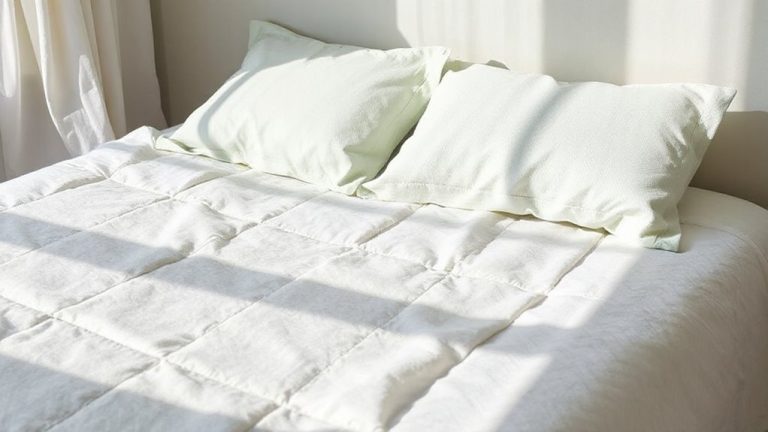
You’re probably sleeping on a cotton-wrapped pillow if you’re aiming to reduce allergens, since cotton resists dust mites and traps less pet dander and pollen than synthetic fills. Its breathable weave allows air circulation, helping prevent moisture buildup that could trigger sensitivities. Cotton provides a natural, chemical-free barrier around the core, improving comfort without irritation. It’s often paired with washable covers to maintain freshness. You’ll find it supports breathability and durability, especially when cared for properly. There’s more to reflect on about how fabric choice impacts your sleep environment.
Notable Insights
- Cotton wrapping acts as a natural barrier that reduces allergen buildup in pillow cores.
- Its breathable weave limits moisture retention, inhibiting dust mite growth and mold development.
- Cotton resists irritants better than synthetics, making it ideal for sensitive sleepers.
- It enhances pillow breathability, promoting airflow and thermal regulation during sleep.
- Cotton-wrapped cores combine support with hypoallergenic properties, especially when paired with washable covers.
How Cotton Reduces Allergy Risks in Hypoallergenic Pillows
While you’re looking for a pillow that won’t trigger your allergies, cotton might seem simple, but it actually plays a key role in reducing allergen buildup. You’ll find cotton’s natural fibers resist irritants better than many synthetics, making it a practical base layer. Its breathability benefits help regulate temperature, so you’re less likely to overheat at night-important if you suffer from sleep disruptions. Since cotton allows air to move freely, moisture doesn’t get trapped, reducing the chance for mold or mildew. Many hypoallergenic pillows wrap their cores in cotton fabric precisely for this balance of softness and function. While not completely allergen-proof, cotton’s cleanable, durable weave supports long-term use. Look for tightly woven, 100% cotton covers with removable, washable options and at least a one-year warranty. This gives you a straightforward option when comparing materials for better sleep hygiene.
How Cotton Blocks Dust Mites and Traps Fewer Allergens
Because cotton’s natural fibers are less hospitable to dust mites than synthetic or feather fills, you’re likely to experience fewer allergen triggers over time. Cotton’s breathable weave resists moisture buildup, making it harder for dust mites to thrive. Unlike denser synthetic materials, cotton allows air to circulate, reducing humidity trapped in the pillow core. This helps limit conditions dust mites need to survive. The natural fibers also trap fewer allergens like pet dander or pollen, which means less accumulation with regular use. When wrapped around pillow cores, cotton acts as a lightweight barrier without compromising comfort. Most cotton-wrapped pillows can be spot-cleaned or gently laundered, preserving the material’s integrity. Look for models with removable, washable covers to further reduce allergen exposure. Many brands offer trial periods, so you can test how well the pillow supports your sleep hygiene. A breathable weave and natural fibers together support a cleaner sleep surface over time. For those managing skin conditions like eczema, choosing the right pillow can make a significant difference, and top-rated options often feature best pillows for eczema relief.
Cotton vs. Synthetics: Which Is Better for Allergy-Prone Sleepers?
What makes cotton stand out when compared to synthetic fills for allergy-prone sleepers? Cotton resists dust mites better than many synthetics, offering a natural barrier without added chemicals. Unlike feather filling, which can harbor allergens and trigger reactions, cotton is less likely to cause irritation. It’s also breathable, reducing moisture buildup where mold and mites thrive. A memory foam core may support neck alignment, but it can trap heat and allergens unless specially treated. Cotton-wrapped cores combine structure with safer breathability. While synthetics often mimic down’s softness, they may retain more irritants over time. If you’re sensitive, cotton’s simplicity helps minimize exposure. Many cotton-rich pillows come with trial periods, so you can test comfort and reaction. Look for tightly woven, washable covers to boost protection. It’s not a cure, but cotton gives you a cleaner, gentler base to build better sleep on. Choosing a bed designed to resist allergens can further enhance your sleep environment, especially when paired with hypoallergenic bedding like cotton-wrapped pillows. Best beds for dust mite allergies offer features such as encasements and antimicrobial materials to reduce exposure.
How Cotton Keeps Hypoallergenic Pillows Cool at Night
Cotton helps keep hypoallergenic pillows cool by allowing air to flow freely through its natural fibers, so you’re less likely to wake up overheated. Its open weave supports excellent temperature regulation, balancing warmth and breathability throughout the night. When your body heats up, cotton responds by wicking away moisture-thanks to its strong moisture absorption-helping you stay dry and comfortable. Unlike synthetic covers that trap heat, cotton adjusts naturally to your body’s changing needs. If you struggle with night sweats or sleep discomfort, this natural performance can make a real difference. You’ll find it especially helpful if you’re managing conditions like insomnia or sleep apnea, where stable temperature regulation matters. Cotton-covered pillows often come with trial periods, letting you test their cooling effects firsthand. With proper care, the fabric maintains its breathability over time. It’s a practical choice when comfort, health, and consistent sleep conditions are priorities.
Best Cotton Fabrics for Hypoallergenic Pillow Covers
When choosing a fabric for hypoallergenic pillow covers, you’ll want to take into account how the type of cotton affects breathability, softness, and durability. Organic cotton stands out because it’s grown without synthetic pesticides, making it a gentler choice if you have sensitive skin or allergies. It’s naturally breathable and resists irritants that could disrupt your sleep. Look for a breathable weave, like percale or sateen, which allows air to flow freely while maintaining a soft, smooth feel against your skin. Percale offers a crisp, lightweight texture that sleeps cool, while sateen gives a slightly silkier drape with good resilience. Both weaves hold up well over time, especially when woven tightly. These fabrics wick moisture and reduce allergen buildup, supporting restful sleep. Many brands offer trial periods or warranties, so test for comfort and performance. For top options that combine these qualities, check out the best cotton bedding picks based on performance and material integrity.
Sustainable Sleep: Why Cotton Wrapping Is Eco-Friendly
Though you might not think about it at bedtime, the material wrapping your pillow plays a role in both your health and the planet’s. Cotton, especially when sourced through organic farming, reduces environmental harm by avoiding synthetic pesticides and conserving water. You’re choosing a wrap that’s grown with fewer chemicals, which supports cleaner air and healthier soil. Cotton is also a biodegradable material, meaning it breaks down naturally at the end of its life, unlike synthetic covers that linger in landfills. When you select cotton-wrapped pillows, you’re opting for a sleep surface that aligns with eco-conscious values without sacrificing comfort. It’s a practical choice that balances performance and sustainability. Over time, this small decision can contribute to lower environmental impact, making it a sensible option for those considering long-term sleep solutions and planetary well-being.
How to Wash and Care for Cotton Hypoallergenic Pillows
If you want your cotton hypoallergenic pillows to stay clean and supportive, regular care is key. You can machine wash them in cold water on a gentle cycle, using mild detergent without bleach or fabric softening additives-these can break down natural cotton fibers over time. Instead of dryer sheets, add wool dryer balls to help with pillow fluffing and airflow during drying. Tumble dry on low heat until completely dry to prevent mildew. Spot clean when possible to reduce wear. Most cotton-wrapped pillows hold their shape well with proper care, but check manufacturer guidelines for warranty details or trial periods. Air them out weekly by fluffing and sun-drying briefly to refresh the fabric. Following these steps keeps your sleep surface clean and comfortable, which matters if you’re managing allergies or sensitivity. With consistent maintenance, these pillows offer breathable, durable support night after night.
On a final note
You’ll find cotton-wrapped hypoallergenic pillows offer breathability, low allergen retention, and durability, making them a practical choice for allergy-sensitive sleepers. Cotton’s natural fibers resist dust mites better than many synthetics and help regulate temperature. Look for tightly woven, organic cotton covers for improved performance. Most are machine washable, supporting long-term hygiene. Try pillows with trial periods to test comfort and effectiveness, ensuring a decision based on your sleep needs.