Bergamot Essential Oil for Sleep: How to Use It for Insomnia
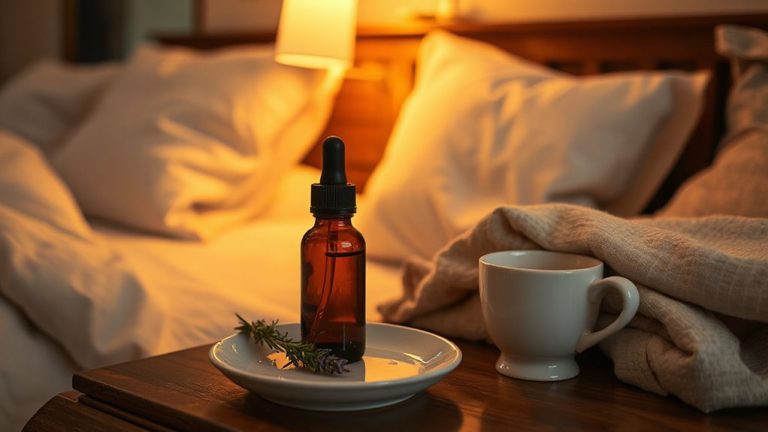
You can use bergamot essential oil to gently ease stress and improve sleep quality if you have chronic insomnia. Inhaling it calms your nervous system, while its compounds help lower cortisol levels over time. Try diffusing it 30–60 minutes before bed or applying it topically with a carrier oil. Always dilute properly and avoid sun exposure after use. Pair it with good sleep habits for best results-there’s more to explore about optimizing your routine.
Notable Insights
- Bergamot oil engages the limbic system via inhalation, helping reduce stress and support relaxation for improved sleep onset.
- Its compounds help regulate cortisol levels, minimizing stress-related disruptions that affect sleep quality in chronic insomnia.
- Regular use in a diffuser 30–60 minutes before bed calms the nervous system and promotes restful slumber.
- Topical application, diluted properly, on wrists or feet enhances absorption and relaxation, but requires sun avoidance due to photosensitivity.
- Blending bergamot with lavender or chamomile in proper ratios boosts calming effects, aiding mood balance and sleep quality.
How Bergamot Oil Reduces Stress and Improves Sleep
While you’re exploring natural options for better sleep, bergamot essential oil stands out due to its well-documented effects on stress and nervous system balance. The aromatherapy effects of bergamot engage your limbic system through inhalation, gently signaling neural pathways linked to relaxation. You may notice reduced tension and a smoother shift into sleep, especially if anxiety disrupts your routine. These effects aren’t instant, but regular use in diffusers or diluted topical applications can support gradual improvement. Unlike harsh sleep aids, bergamot works naturally, with few side effects when used properly. It’s not a cure, but a tool-best paired with good sleep hygiene. When choosing a product, look for pure, cold-pressed oil with transparent sourcing. Try it for two to three weeks to assess results, knowing responses vary. For optimal results, consider combining bergamot with other best essential oils for sleep.
How Bergamot Oil Lowers Cortisol Levels
Cortisol, the hormone tied to stress, can keep you awake when your mind won’t slow down at night. Bergamot oil helps by supporting cortisol inhibition, reducing the overproduction linked to constant tension. When you inhale or apply it, compounds in the oil interact with your limbic system, gently signaling the brain to ease stress responses. This process aids adrenal regulation, helping prevent the glands from releasing excess cortisol during non-stress periods. Studies show bergamot’s active components-like linalool and linalyl acetate-modulate neural activity tied to hormonal balance. You’ll notice your body begins winding down earlier, making it easier to fall asleep. It’s not an instant fix, but with consistent use, you may see improved nighttime recovery. Always choose pure, therapeutic-grade oils to guarantee effectiveness. This natural support works best alongside healthy sleep habits, offering a practical option worth trying.
Best Ways to Use Bergamot Oil for Better Sleep
If you’re looking for a natural way to support better sleep, using bergamot essential oil through diffusion or topical application could be a practical addition to your nighttime routine. Diffusion techniques, like using an ultrasonic diffuser for 30 to 60 minutes before bed, gently release aromatic compounds that may help calm your nervous system. This method allows consistent exposure without overpowering your senses. For more targeted relief, a bedtime massage with diluted bergamot oil-mixed with a carrier oil like fractionated coconut or jojoba-can promote relaxation through skin absorption and touch. Apply lightly to wrists, neck, or feet. Always perform a patch test first to check for sensitivity. Both approaches are non-invasive and easy to integrate, offering flexible options based on your comfort and sleep environment. Research suggests these applications may support restful slumber without drowsy side effects. A high-quality essential oil diffuser can enhance the effectiveness of aromatherapy by maintaining optimal humidity and consistent mist output.
Mix Bergamot Oil With These Calming Oils
What makes certain essential oil blends more effective for sleep? It’s often the synergy between calming compounds. When you mix bergamot oil with other soothing oils, you amplify relaxation effects. A Lavender blend is widely studied for easing insomnia symptoms, offering a gentle yet noticeable shift toward deeper rest. Try combining it with bergamot for balanced mood support. For a Chamomile synergy, their shared terpenes may reduce nervous system activity, helping quiet a racing mind. Effective essential oils for sleep often contain compounds like linalool and myrcene, which contribute to their calming physiological effects. Below are effective pairings to try:
| Oil Combination | Benefit | Ratio (Bergamot:Other) |
|---|---|---|
| Bergamot + Lavender | Deep relaxation | 2:3 |
| Bergamot + Chamomile | Nervous system calm | 1:1 |
| Bergamot + Frankincense | Grounding, slower breathing | 2:1 |
| Bergamot + Ylang Ylang | Mood balance, stress relief | 1:2 |
Experiment to find what works best for your sleep routine.
Avoid Skin Sensitivity and Sun Risks
While bergamot essential oil offers calming benefits for sleep, you’ll want to use it carefully to avoid skin sensitivity and sun-related risks. Bergamot oil contains compounds that can trigger photosensitivity concerns, making your skin more vulnerable to sunburn or irritation after UV exposure. That means applying it before sun exposure-especially diluted on skin-is risky. To stay safe, always follow safe dilution practices: mix no more than 1–2% bergamot oil with a carrier oil like jojoba or almond before topical use. Even with proper dilution, avoid sun or tanning beds for at least 12 hours after application. If you’re using it in a nighttime routine, this risk drops considerably. Using bergamot in a diffuser avoids skin contact entirely and still supports relaxation. These steps help you enjoy restful sleep while minimizing potential side effects.
Choose High-Quality Bergamot Oil
A high-quality bergamot essential oil makes a real difference when you’re using it to support better sleep. You’ll want to check the sourcing methods-look for oils from bergamot oranges grown in Italy’s Calabria region, where the climate supports ideal fragrance and therapeutic compounds. Cold-pressing the rind preserves delicate constituents, so verify that the oil is extracted this way. Purity standards matter just as much: choose products labeled “100% pure essential oil” with no added fillers or synthetic fragrances. Third-party testing and GC/MS reports can confirm purity and potency. Avoid cheap imitations-those often cut corners on both sourcing methods and purity standards. Using a trustworthy brand increases your chances of experiencing consistent, calming effects. Read labels carefully, and when possible, opt for companies that openly share harvest details and quality control practices. It’s a small step that supports better results over time.
Build a Sleep-Boosting Nightly Routine
How can you turn bedtime into a consistent signal for rest? Start by setting a regular sleep schedule, going to bed and waking up at the same time every day. This builds strong bedtime consistency, which helps regulate your body’s internal clock. Pair this with a calming pre-sleep routine-like dimming lights, reading, or using bergamot essential oil in a diffuser-to gently cue your mind that it’s time to wind down. Make sure your sleep environment supports rest: keep the room cool, quiet, and dark, and remove screens that emit blue light. Consider using breathable bedding and a comfortable mattress to enhance comfort. Over time, these habits improve sleep quality and can reduce reliance on sleep aids. Trial small changes first, observe results over a few weeks, and adjust as needed.
On a final note
You can use bergamot essential oil to help lower cortisol and reduce stress, which may improve sleep quality if you have chronic insomnia. Try diffusing it at night or mixing it with calming oils like lavender. Choose steam-distilled or FCF versions to avoid sun sensitivity. Pair it with a consistent bedtime routine for best results. While not a cure, it’s a gentle option worth trying alongside other sleep strategies.